

Editor’s note: This article was first published in July 2013; it covers ideas that emerged in 2013 (the original headline was later changed to say 2014). Launch plans and the status of all six companies may have changed.
It may seem as though everything has already been invented, but there will always be small companies able to offer innovative solutions to common problems. What follows is a selection of very original business ideas that emerged in 2013 and have good prospects for the future.
1. An innovative answer to the gun problem
After the scandals we have seen in the news, both in the United States and in some European countries, a US company, Yardarm Technologies, has come up with a high-tech idea that lets gun owners disable their weapon remotely.
In other words, if a gun is moved, the system sends a message to the owner’s phone, giving them the option to disable it from their mobile device. This technology would add only around 40 euros to the price of a gun, plus an annual fee of 10 euros for the service. It is a system that gun manufacturers will probably adopt. CNBC chose the company as one of the most innovative business ideas of 2013.
2. Making alternative fuel
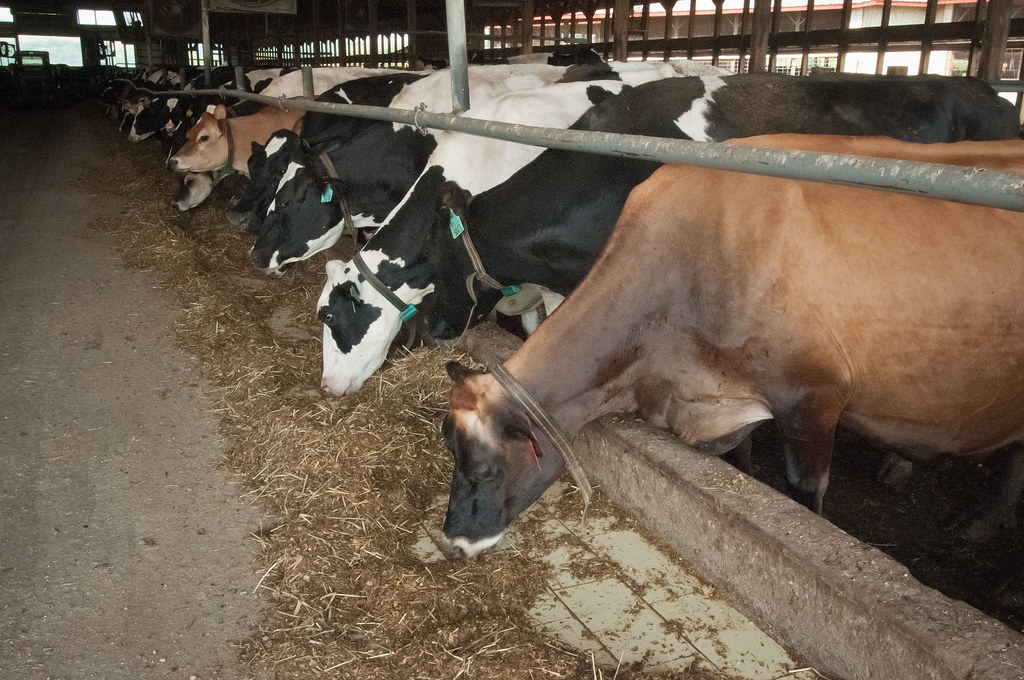
Although the alternative fuels market may seem saturated by big companies, AMP Americas, a company that produces compressed natural gas, is going to start making fuel from cow manure. The idea came to them while they were thinking about a way to make money from the manure produced by hundreds of farms.
3. Able Planet
People who don’t need a hearing aid but want to hear sounds better can use a personal amplifier. The innovative product made and sold by Able Planet also works if, say, you have a meeting in a noisy bar: with this device you can minimize the background noise and focus on the conversation you’re having.
4. An innovative solution for changing diapers
Changing a baby’s diaper can be one of the least pleasant and most stressful tasks there is, especially if the baby won’t stop moving. An entrepreneur, Lisa Cash Hanson, invented the SnuggWugg, which is basically a pillow that keeps the baby from wriggling around and has a built-in screen showing something to keep the baby entertained. The product will launch at the end of 2013, and its success looks all but guaranteed: it has received all kinds of support and funding thanks to the pre-orders coming in from major retailers that want to put this innovative product on their shelves.
Watch: the SnuggWugg on video
5. A bullet casing can be a beautiful thing
In 2010, a small company had the idea of using bullet casings to make elegant jewelry. The company recycles the casings into stylish accessories for men and women. It says women in particular are falling for these designs, while it fights for a patent on this kind of jewelry. Its sales have grown exponentially since it came up with the idea. You can see everything they make from bullet casings on their website, Bulletdesigns.
6. An innovation for answering nature’s call outdoors
The product made by Hallettco is very easy to explain. If you’re a hiker, a camper or any kind of outdoor enthusiast, you’ll know there are things you can’t avoid, such as the call of Mother Nature and certain bodily functions that simply have to happen. Given the risks of doing this in the wild, with all the fungi, bacteria, insects and poisonous plants around, the company’s product is a strap you wrap around your body and tie to a tree trunk or a rock, which lets you hold the so-called “squat monkey” position. Nature takes care of the rest. It isn’t going to be one of the most profitable businesses in history, but it is a product that mountaineers and some nature lovers are genuinely asking for.
A while ago we published nine of the most innovative restaurants in the world, along with some ideas for original restaurants where the food may be the least of it. More business ideas:
- 5 innovative and profitable business ideas from around the world
- 8 novel business ideas from other countries
- 6 business ideas for young entrepreneurs with no investment
Featured image: U.S. Department of Agriculture, CC BY 2.0, via Flickr.


