Editor’s note: This article was first published in August 2013, at the launch of Internet.org (5 billion unconnected people, Facebook seeking another billion users). Internet.org was later rebranded as Free Basics, and Google shut down Loon in 2021.
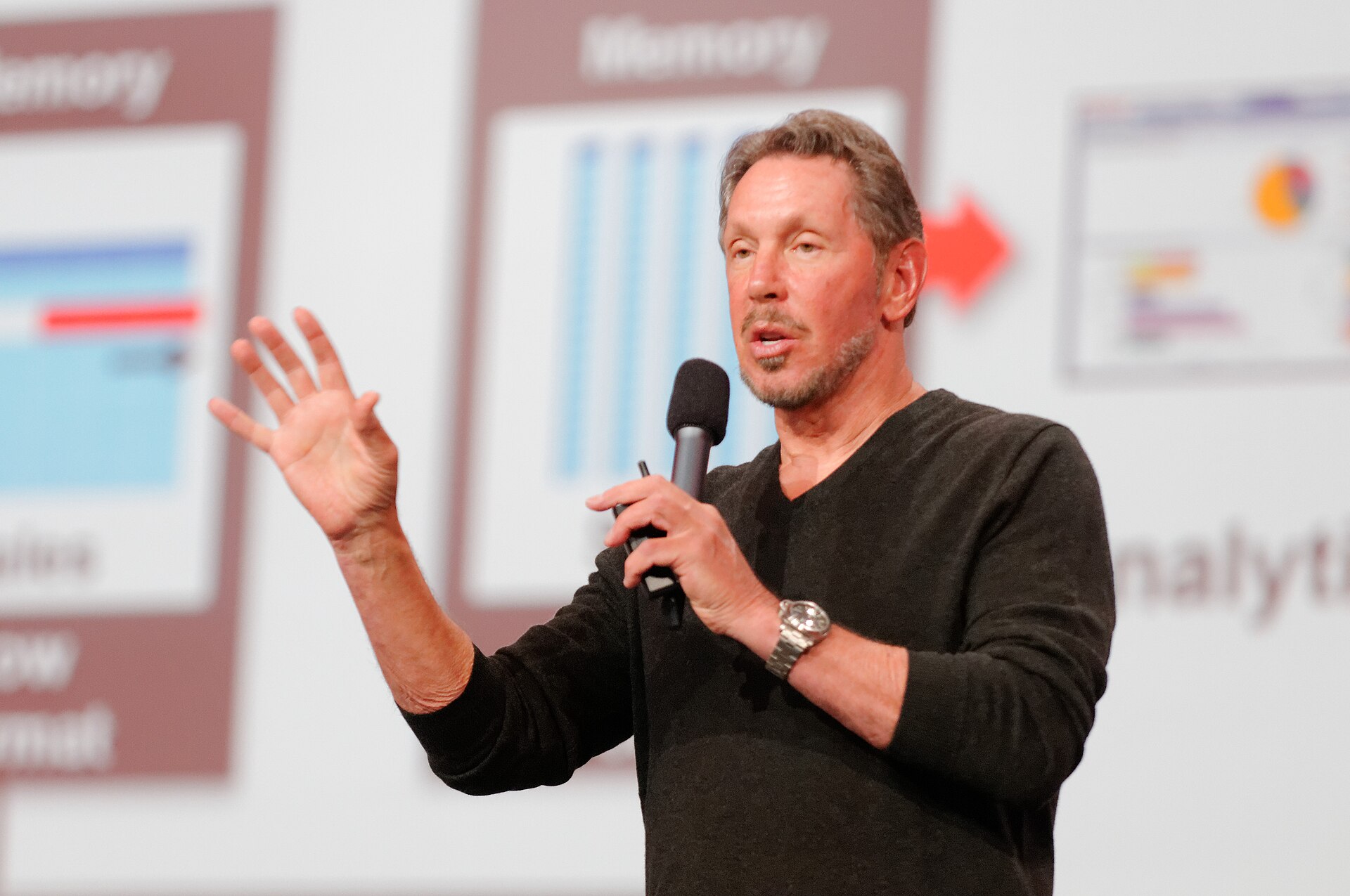
Mark Zuckerberg (Facebook), together with other companies (Samsung, Ericsson, MediaTek, Nokia, Opera, Qualcomm), has set out to work together to bring the internet to the two-thirds of the world’s population who still don’t have it, which amounts to some 5 billion people without a connection.
The project is called Internet.org, and the aim is to bring down the cost of delivering data, as well as investing in all kinds of technologies to make this possible. The big tech companies, Google included, need those 5 billion people, because frankly I don’t think there is any philanthropic cause behind these initiatives. Another billion or so users would suit Zuckerberg’s social network very well, since that would give his great social network even more value in the market.
Exactly the same goes for the rest of the companies. And we are not going to criticize them for wanting to do business by providing a much-needed service in developing countries, even if they forget, as Sugata Mitra said in his TED talk, that places the internet doesn’t reach probably don’t even have water.
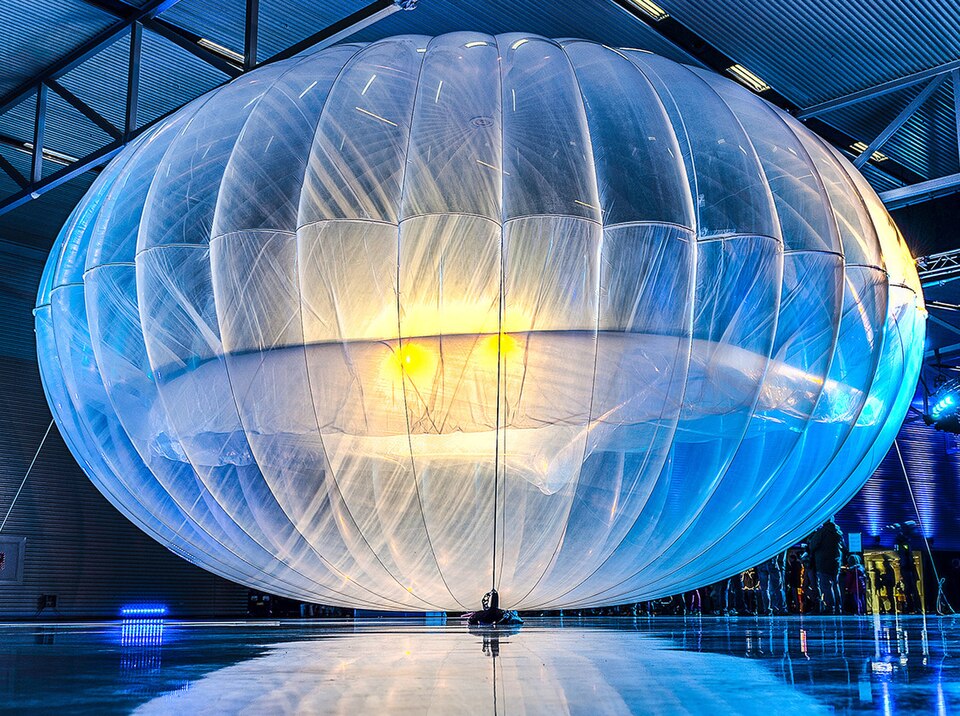
Bill Gates also commented on an earlier proposal from Google, which was to put high-altitude helium balloons in the stratosphere so that everyone could get online in emergencies. Gates said that if a child is dying of malaria and looks up at the “little balloons” in the sky, what good are those helium balloons going to do?
An era of tech capitalism is opening up, in which these young (and not so young) tech entrepreneurs are forgetting about the world they live in. People who have no food, no water and no medicine, and an average life expectancy of 14 years, don’t need the internet to share things on Facebook or Twitter, I would think: “I’m going to sleep. If I don’t die tomorrow, see you. My mom went out to look for water two weeks ago, because the malaria makes me really thirsty, but I don’t know if she’ll come back. Like this if you want to see my ribs.”
Even so, these tech entrepreneurs have a lot to teach other businesspeople. If they set out to bring technology to these countries, they would manage it, in the same way that if governments wanted to bring them water so they could grow their own crops, they could do that too, and along the way, building aqueducts and desalination plants would create jobs.
But there are 7 billion of us in the world, and while that is an advantage for the tech companies, because it becomes an incredible business opportunity, for everyone else it is a problem, and letting them die is the best solution for “population control”. I think that is the sad reality.
Featured image: Flicker User: iLighter, CC BY 2.0, via Wikimedia Commons.