

Editor’s note: This article was first published in August 2010. The 9-13% (up to 17%) AER offers describe Spanish bank promotions around 2010; such rates are not typical today.
With banks competing fiercely and needing to attract money from new customers, some of them occasionally launch high-yield deposits with terms and returns that are very hard to ignore.
The main conditions of a high-yield deposit are usually that you are not already a customer of the bank and that you bring new money into it.
The return: to count as a high-yield deposit, it should pay between 9% and 13%, and some offers have even reached 17% AER (the annual equivalent rate, TAE in Spain).
The required term is relatively short: one, two or three months, though to grab your attention most of them run for one month.
It pays to keep an eye out for these high-yield deposits, because they have every ingredient of a high-return investment: capital and interest guaranteed, and a fairly short term. They usually come with a fee-free account as well.
When a bank launches one of these deposits, the idea is not just to hold your capital for a month but to win you as a customer. When the deposit matures, it will try to persuade you to have your salary paid into the account, move your bill payments there or take out other investments, whether more fixed-term deposits or investment funds. Of course, you are entirely free to accept or say no.
In short, if you see a bank on television or in your local paper offering a high-yield deposit with the conditions described here, don’t hesitate: invest. You have nothing to lose and at least an 11% return on your capital to gain.
Further reading
- Why investing in the stock market is still the most profitable investment
- Financial education: how to achieve financial freedom
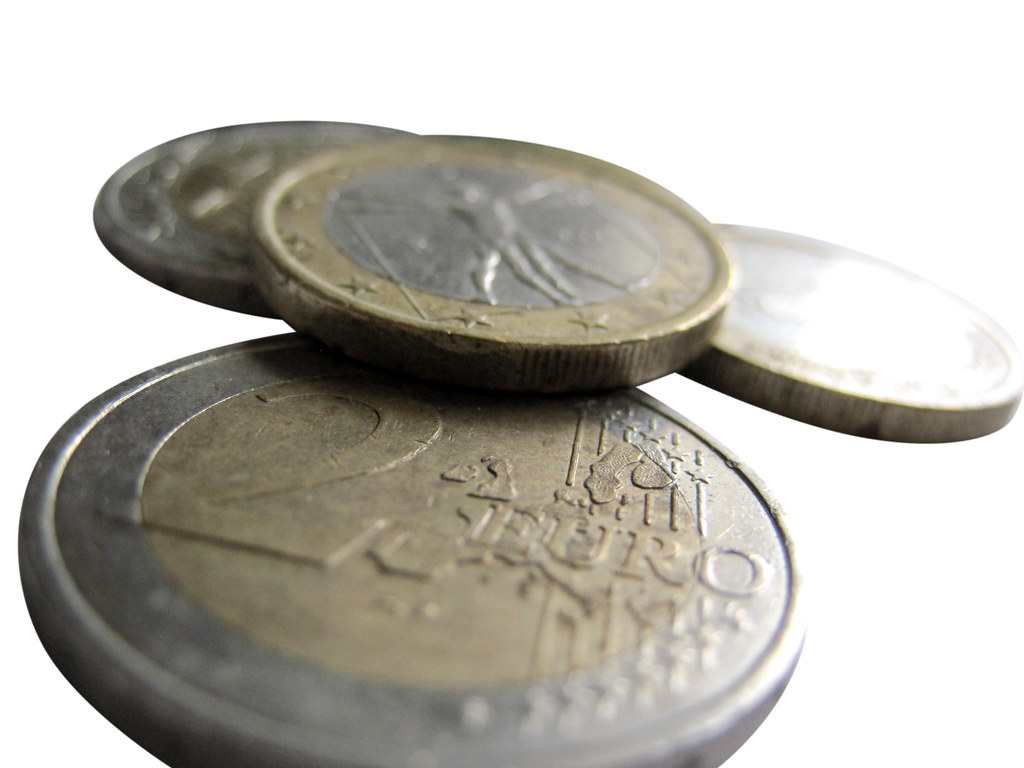
Featured image: Images Money, CC BY 2.0, via Flickr.


