

Editor’s note: This article was first published in August 2010 as news about Law 32/2010. The self-employed cessation-of-activity benefit has been reformed several times since, so today’s contribution rates, amounts, duration and eligibility differ.
Self-employed workers (autónomos, as Spain calls sole traders and freelancers registered under their own Social Security scheme) will be able to claim a benefit when they cease their business activity from November 2011. It is already set out in Spain’s Official State Gazette (BOE) as Law 32/2010, which establishes a protection scheme for this group.
The benefit can be drawn for a maximum of one year. To qualify, self-employed workers will have to pay an extra 1.7% on their contribution base (the amount on which Social Security contributions are calculated), roughly €13.15 more a month.
The benefit will be 70% of the base reguladora (the base used to calculate it), which works out to about €560 a month on average.
The minimum contribution period is 12 months, which gives entitlement to 2 months of benefit. Entitlement rises with the time contributed, and 48 months of contributions or more give 12 months of benefit.
There is also good news for self-employed workers who ceased trading on or after 1 January 2009 and are not currently receiving any public benefit. They will be able to receive an allowance of €425 a month.
Let’s hope this measure at least helps entrepreneurship. That said, when you start a business we advise you to think carefully about the legal structure you choose, because being self-employed may not be the right option in your particular case. This article sets out the pros and cons of being self-employed versus forming a company: Which legal structure should I choose for my business?
Further reading
- How to lose your fear of starting a business
- The advantages of starting a business in times of crisis
- How to run a small business in times of crisis
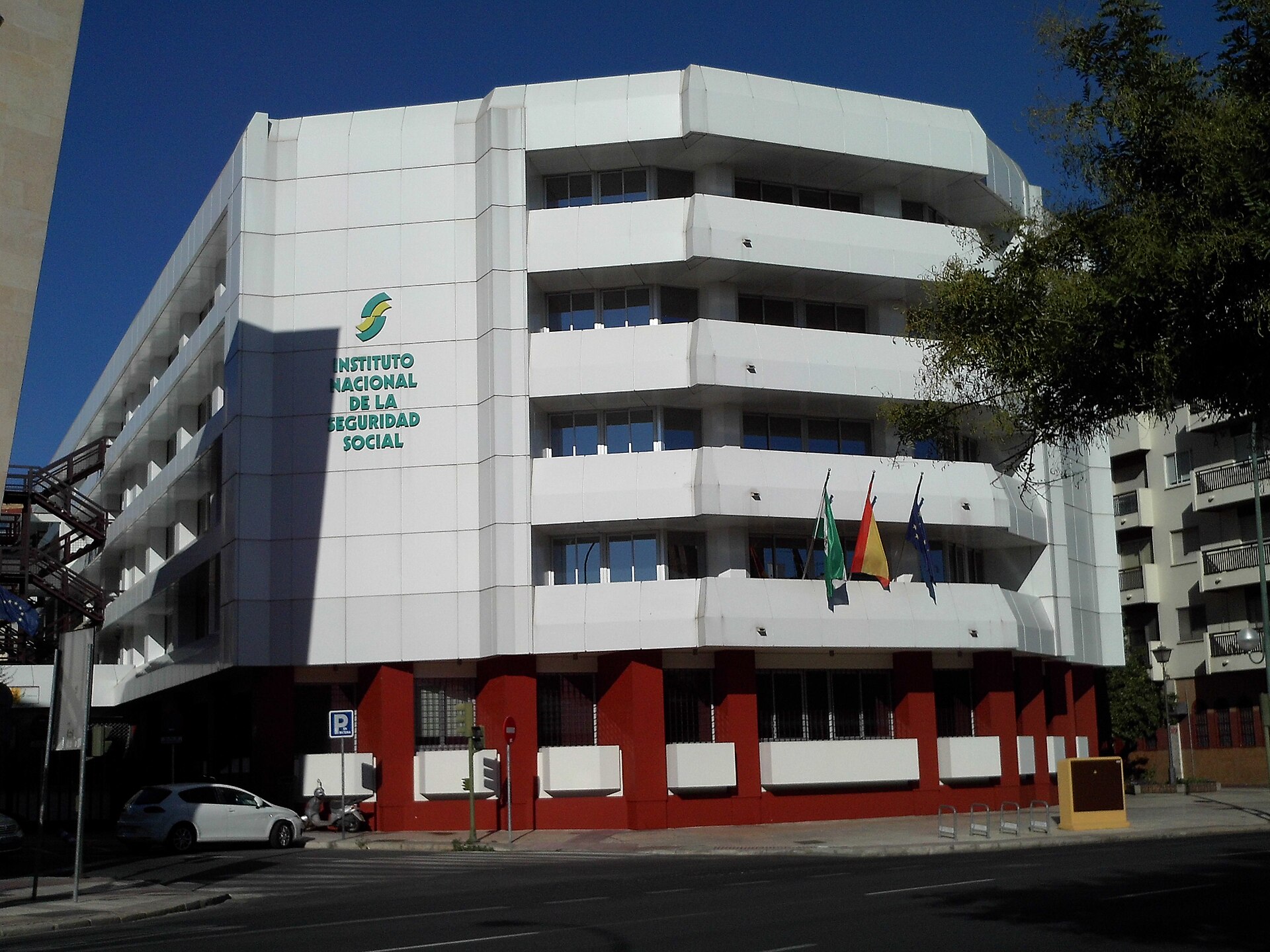
Featured image: CarlosVdeHabsburgo, CC BY-SA 4.0, via Wikimedia Commons.



