

Editor’s note: This article was first published in February 2014. Tabaka is described as having more than 25 years of experience, as of 2014.
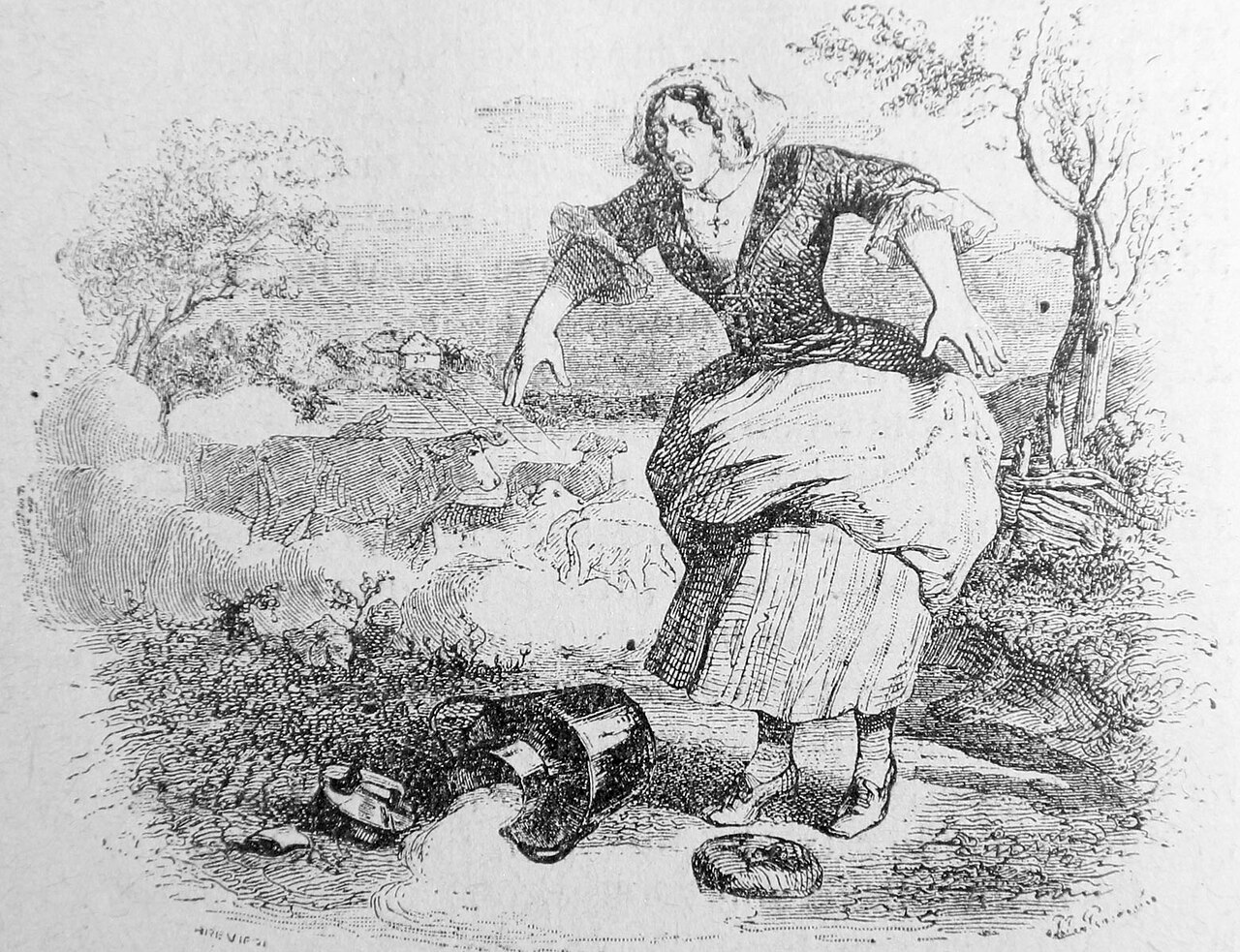
How do we know whether our business idea is going to work? When we have a breakthrough idea, whether to start a business or to boost flagging sales at an existing company, our first reaction is usually enthusiasm and hope, and we start telling ourselves a kind of milkmaid’s tale, counting our chickens before they hatch. Then come (as they should) the doubts and fears that point to another possible outcome: our idea might work, but it might also fail. (Read: 15 questions to evaluate a business idea)
For Marla Tabaka, a small-business adviser with more than 25 years of experience, a breakthrough idea usually goes through 4 different stages. The smartest answer is that nobody knows whether the idea will work or not, but we must not sabotage it with those fears and doubts, so that it gets a chance to succeed.
1. The elation stage.
Some business owners spend years looking for a solution to their sales or distribution problems; in the same way, some unemployed people want to start a business but lack an idea that makes them want to get going. One day, ideas and solutions like these appear, raising hopes of growing profits and the taste of success.
You have to enjoy that moment, because your feelings are feeding on energetic euphoria and passion. If you switch too quickly to the stage of doubt and fear, you are condemning the idea, and you will probably stay forever in an endless search for new ideas, because you may tend to look for an idea you are absolutely sure will work. And in business, that simply doesn’t exist. There will always be reasonable doubts and fears, and you will have to answer those doubts and face those fears.
(Read: You don’t need an original business idea. I’ve never had an original idea in my life)
2. The exploration stage.
How many business ideas have we thrown out because we were sure they wouldn’t work? Yet we should bear in mind that sometimes our original idea isn’t the one that succeeds, not because it’s useless, but because it just needs to be modified, adapted or changed in some way. You have to give it a fair chance. You’d be surprised what might happen if you keep exploring a path you’re not entirely sure about at first.
However stupid an idea may seem to you, if one day you saw a glimmer of a chance that it could work, at least spend some time analysing the numbers and the market. Remember that tech companies now worth billions are built precisely on ideas that had failed before. Do a quick SWOT analysis, and if you still can’t see it being viable, drop the idea.
(Read: 10 simple product ideas that turned entrepreneurs into millionaires)
3. The stage of doubt and fear.
Many business owners are afraid of innovative, breakthrough ideas, because they involve taking on risks and commitments, both emotional and financial. And that is terrifying for any business owner or new entrepreneur.
That’s why I always like to recall the gravestone that read: “Here died a risk-free company.”
These days, business trends change constantly and are always on the move. In fact, big companies’ strategy has become one of constantly trying things and discarding them until they strike gold. You are going to have to take risks, because not making risky decisions is a risk in itself.
(Read: 14 business ideas to start in 2014)
4. The failure-or-success stage.
Statistically, the vast majority of breakthrough ideas tend to disappoint at first. Many people see that as a failure, while others see it as a setback for the idea as a whole. Some simply say it didn’t work, while others get down to work to fix what isn’t working and make it work.
This is the point at which 80% of breakthrough ideas end up in the bin, while 20% usually go on to generate juicy profits or become million-dollar businesses. Whatever the outcome, success or failure, it isn’t the end result: failure can be an opportunity to keep experimenting, while success can be the start of something much bigger, or a one-off success that will end in failure if we don’t keep working very hard at it.
Further reading
- The worst business ideas that somehow made their creators millionaires
- 3.5 business ideas I would never have thought of
Featured image: Jean Ignace Isidore Gérard Grandville, Public domain, via Wikimedia Commons.



