

Anyone can be smarter than they are today, because intelligence can be changed. In fact, there are numerous intelligence training programmes, adapted for all ages, with more than proven results. If we have already seen how anyone can improve their memory through training, now we turn to something much more basic: exercise.
Recent research shows how exercise helps our brain resist physical shrinkage and improves cognitive flexibility. When we talked about the habits of success, we happened to find that all the great entrepreneurs and successful CEOs agreed on the importance of, and need for, regular exercise.
According to Gretchen Reynolds, author of The First 20 Minutes, exercise improves your health, extends your lifespan and, on top of that, makes you much smarter. And today, science backs up this claim.
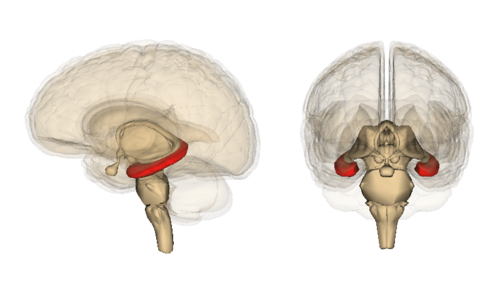
The explanation is that the brain is a tissue, and, like any other tissue, abuse, lack of use and, above all, age or inactivity make its performance decline. The hippocampus is the part of the brain devoted to memory and learning. From a certain age onwards, it tends to lose a percentage of its total volume as the years go by, so over time we lose learning and memory capacity if we do nothing to prevent it.
According to the research, this part of the brain behaves in the same way as muscles, so exercise can delay and even reverse the physical decline of the brain.
There is a false myth about the ageing of brain cells, which says that once brain cells are lost they can never be recovered. That is not true, according to Reynolds, who says exercise helps recover those cells and builds a bigger brain, in which the new brain cells can be even more effective.
Exercise seems to produce nimbler neurons.
But then… what kind of exercise, and how much of it, do we need to boost our intelligence?
Most studies have focused on aerobic activities such as swimming or running, but even walking can make a difference. One study showed that older people who walked just 40 minutes 3 days a week significantly improved their intellectual function and their ability to memorise.
Leaving the scientific studies aside, most entrepreneurs and CEOs agree that exercise relieves tension and stress and helps them make better decisions. Perhaps that is partly because exercise helps release toxins that, if they were not expelled, might be circulating in the fluid that bathes our brain.
So, according to the data, the brain can be worked with both mental and physical exercise, which means that if we use both “therapies” at the same time we will gain in quality of life and intelligence.
Sources: The New York Times | LinkedIn/Jeff Haden | Scientific American
Further reading
- 6 very strange things highly successful people do to be more creative
- How to learn to influence others
- 21 things young graduates should know and accept in their twenties
Featured image: Images are generated by Life Science Databases(LSDB)., CC BY-SA 2.1, via Wikimedia Commons.



