

Editor’s note: This article was first published in June 2014. Its figures are from 2014 or earlier: Pictet water fund returns of more than 10% a year on average, a water industry worth about 620 billion, more than 7,500 desalination plants worldwide, and more than 400 water-related companies worldwide.
First of all, why should we invest in water? We may think that water is the most abundant thing in the world, since more than 70% of the Earth’s surface is indeed water. The problem is that only between 1 and 3 per cent of that water is usable. And that percentage is shrinking all over the world because of population growth, industrialisation and pollution.
According to a World Economic Forum report, by 2030 our planet will face a 40% global shortfall in water supply. In other words, water is even scarcer than oil. At the same time, water is the most essential product on the whole planet, because without water there is no life.
Many reports say that our water problem is more serious than we can currently imagine. Others say that demand for water in China will soon exceed supply. Nor should we forget that millions of people around the world live without drinking water.
Now that we know water is as precious as gold, how can we invest in water?
It is no surprise that the leading global fund specialising in water industries, Pictet Funds, is delivering average returns of more than 10% a year, and most investment funds focused on water are offering similar returns. There are also ETFs that include this kind of industry.
When you invest in a fund, however, some have minimum investment amounts, and others, in my view, charge excessive fees. It is a matter of analysing them according to your investor profile.
What about investing directly, by buying shares in companies that benefit from water?
According to Neil Berlant, head of the investment firm Crowell W & Co, water has always been free to the public in the past and had no monetary value, but at some point in history that stopped being the case, and water could double or even triple in price in the coming years.
Demand for water is rising in manufacturing, electronics and agriculture.
According to the investment firm WaterTech Capital, the global water industry is worth around 620 billion, and over the next 25 years that figure could reach about 25 trillion (yes, trillion), revenue coming from global spending on water and wastewater infrastructure.
Whichever way we look at it, water will be a profitable investment. According to WaterTech, there are more than 400 water-related companies worldwide, most of them in the United States, where some of these companies are in the business of turning non-potable water into drinking water.
We can invest in water treatment companies.
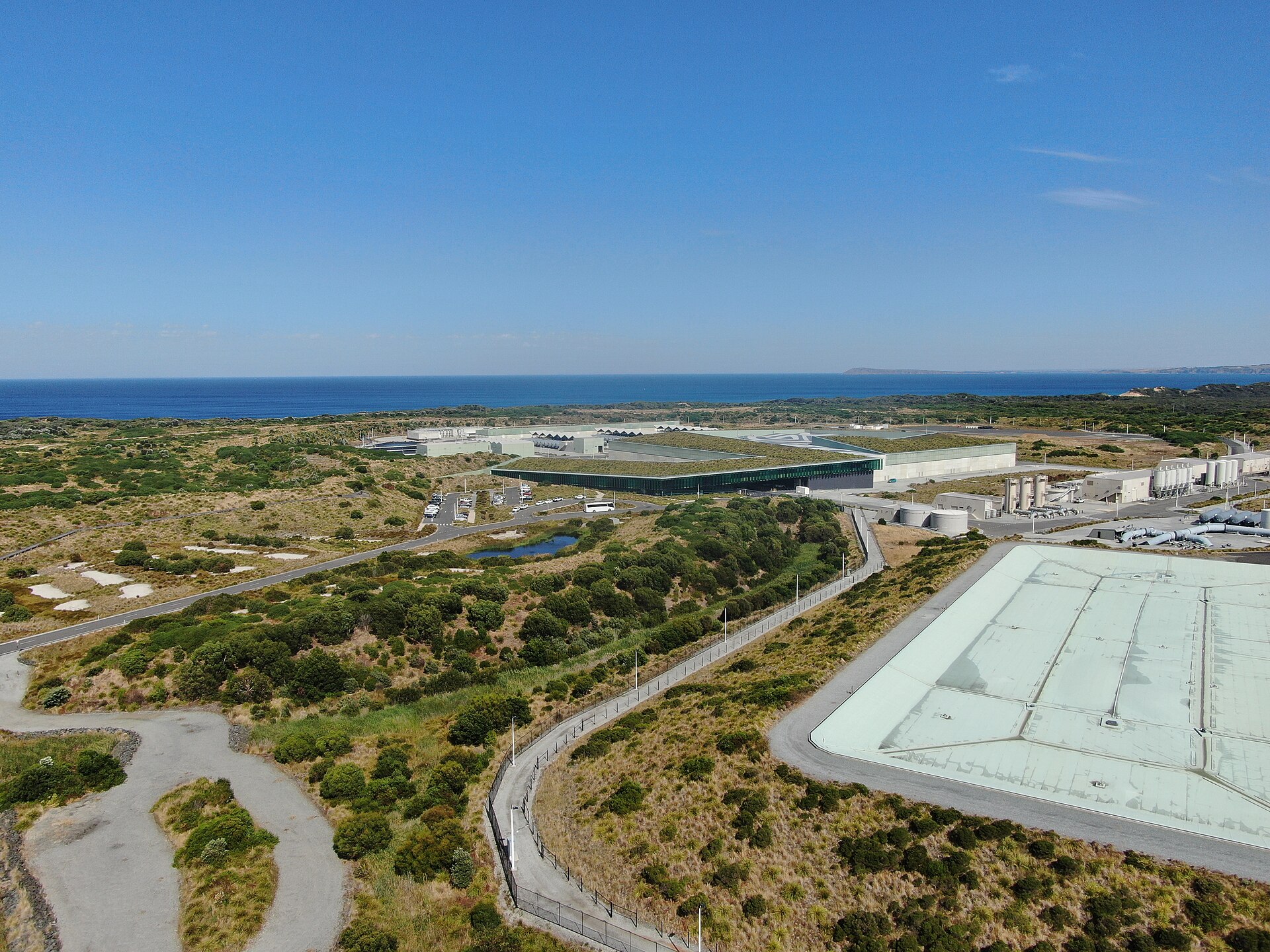
Ultimately, I think these companies will benefit most from water scarcity, since all water needs treatment before it can be drunk. The most profitable business within water treatment will probably turn out to be desalination companies, which turn seawater into drinking water.
There are said to be more than 7,500 desalination plants around the world today, mostly in the Middle East.
With water scarcity growing and pollution increasing, desalination will become more and more important. General Electric is one company taking advantage of this business on a global scale.
Investing in system manufacturers.
As Bankrate pointed out, much of the pipe infrastructure that water flows through was laid almost 100 years ago, and it is estimated that the United States alone will have to spend 500 billion over the next 20 years to replace part of that ageing infrastructure. Some emerging countries are testing new systems to deliver cleaner, healthier water.
Among the companies that make water systems and pipes are Northwest Pipe Co in Vancouver and Mueller Water Products in Atlanta. There is also Gorman-Rupp Co. All three companies are publicly listed.
Agricultural irrigation system companies and companies that hold water rights could also be profitable, although in the second case this kind of investment might be better made through private equity funds.
Once it is clear that water should be part of a diversified long-term investment portfolio, it is a matter of looking more closely at which companies could benefit most. For example, is Fluidra one of the Spanish companies that could benefit in Spain?
Further reading
- The most and least profitable investments for 2014, according to Gary Shilling
- The 33 profitable businesses of the future
- Investing in graphene?
Featured image: JoelCarterRamadge, CC BY-SA 4.0, via Wikimedia Commons.



