

Editor’s note: This article was first published in September 2014. All figures come from ManpowerGroup’s 2014 Talent Shortage Survey (36% of employers, over 37,000 employers in 42 countries). The survey is published every year, and these numbers and rankings have since changed.
Thirty-six percent of business leaders worldwide say they have trouble finding talent for their companies, according to ManpowerGroup’s latest survey on the talent shortage.
After interviewing more than 37,000 employers in 42 countries, the study finds they agree that no one has yet found a miracle cure for this global problem, although the solution will probably come from the change taking place in human resources.
As the world of work evolves, human resources departments will have to broaden their role, according to ManpowerGroup.
The jobs hardest to fill because of the talent shortage
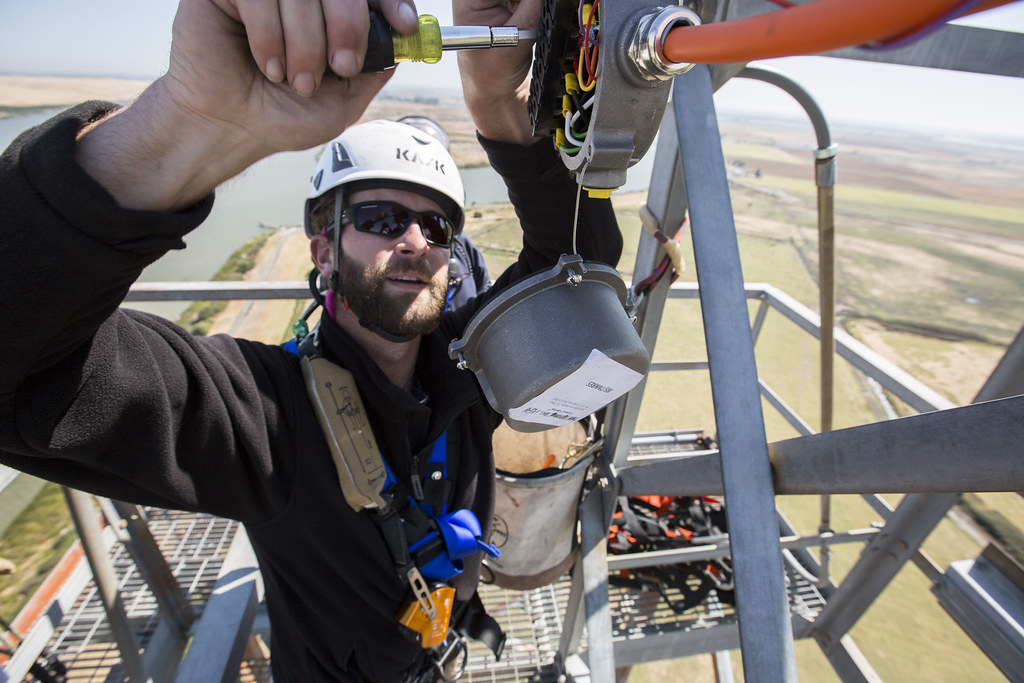
From skilled manual trades through engineers, sales representatives, accounting and finance staff, managers and executives and sales managers, all the way to drivers, a high percentage of employers say they struggle to fill these positions with qualified people.
The reasons they give for this difficulty in finding talent are extremely varied.
They include a lack of hard or technical skills, a lack of available candidates, a lack of experience, reluctance to relocate to another region, and candidates wanting a higher salary than the company offers.
The evolving role of human resources in the company
Macroeconomic forces keep squeezing margins, which means organisations have to do more with fewer resources and build structures that are more innovative and productive. To meet these demands, companies have to access, mobilise, optimise and unleash the full potential of their people. This is a major shift.
At the same time, unemployment is still a global problem. There is clearly a surplus of workers and a shortage of the right talent. The surplus of labour is a consequence of the global recession followed by a timid economic recovery, while the shortage of talent has been made worse by constantly evolving technology and business dynamics.
The skills that employers needed yesterday are already outdated today, which widens the skills gap and keeps the global talent shortage going.
Because economic, demographic, technological and social forces will keep evolving, companies need a flexible and agile structure. To achieve it, HR leaders will have to play critical roles. You can read ManpowerGroup’s full study here.
Further reading
Featured image: Western Area Power, CC BY 2.0, via Flickr.


