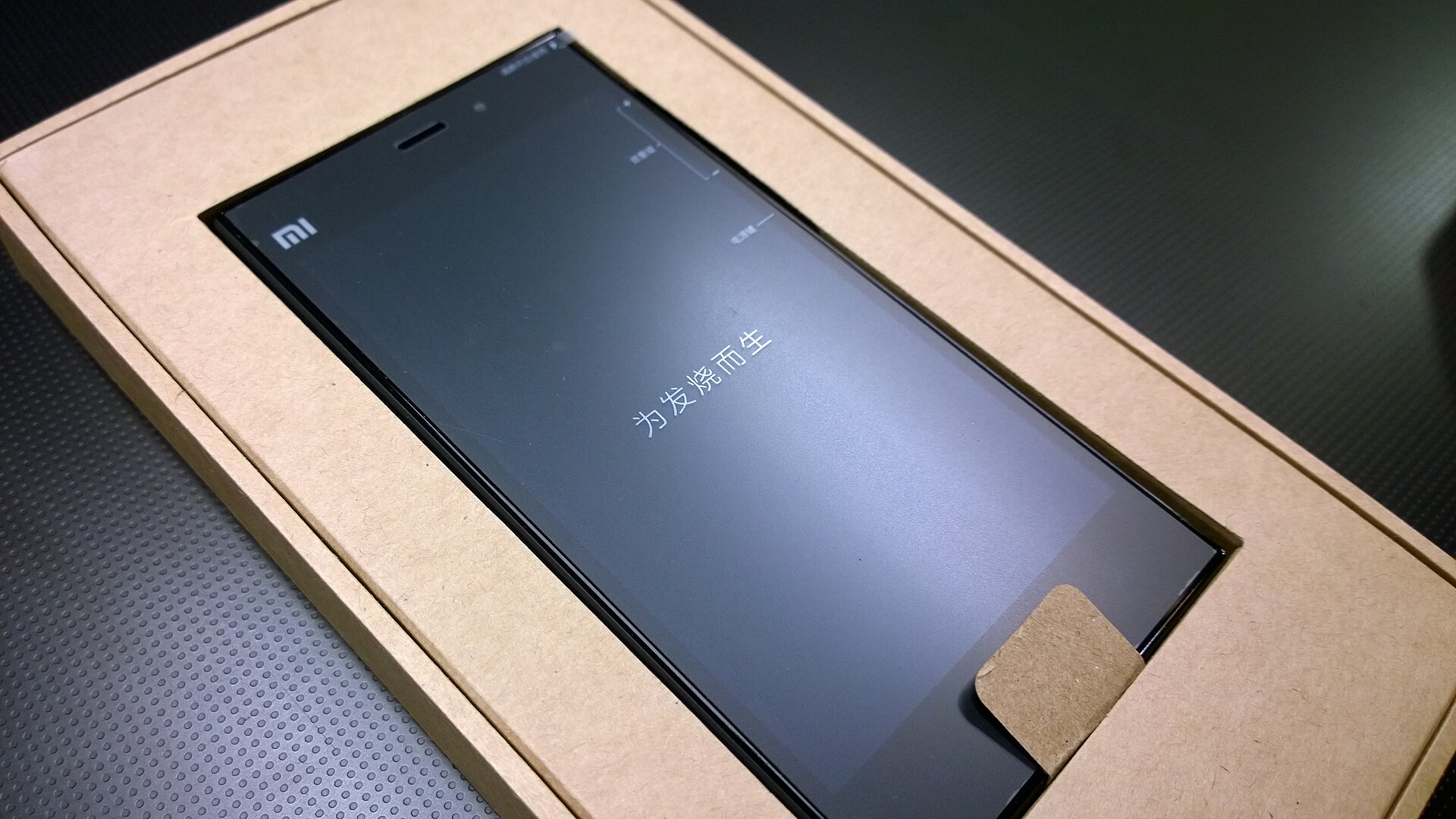
Editor’s note: This article was first published in November 2014, and all its figures are from that month, including 84% profit growth in 2013, a projected $1 billion profit, the Redmi 1S at 129 euros and the fundraising round under way. Xiaomi has changed a great deal since, with an IPO in 2018 and electric cars.
Xiaomi is a Chinese company that makes good-quality, low-cost smartphones. According to the Wall Street Journal, the company increased its profits by 84% in 2013 compared with the previous year, and it is on track to close the year with $1 billion in profit. And all this in just four years of existence as a company.
The profits Xiaomi is making are genuinely hard to explain, especially considering that other companies in the sector, such as BlackBerry, Sony and HTC, are losing money.
The company is already the fourth-largest smartphone seller in the world. Its phones run on Android and are as good as Samsung’s Android phones, with one difference: they cost half as much.
In fact, the Xiaomi Redmi 1S (also known as Red Rice 1S) has been the best-selling smartphone on Amazon, and it has been in the top 10 bestseller list for a long time.
For €129, with a good finish and an 8-megapixel camera made by Sony, it has managed to position itself as a low-cost, good-quality Chinese brand.
Even so, like the other brands, the company offers a wide range of smartphones with all kinds of features and prices.
This company, 95% of whose profit comes from selling smartphones, is already making other products and is currently looking to raise around 40 to 50 billion, which would give it a valuation placing it as the second most valuable Android smartphone company on the planet, behind only Samsung.
What is Xiaomi’s secret?
How does Xiaomi make more money selling at a lower price than other companies that charge higher prices and still lose money?
According to its CEO, Lei Jun, the company makes a big profit, first, because of how well it has been received in the Chinese market. And second, and no less important, it makes a big profit by cutting marketing costs. Most of its sales come from word of mouth, and it makes excellent use of the channels the internet offers, with Amazon being one of its biggest promoters in the West.
Clearly, for now it is a very small company if we compare it with the profits of the giant Apple, which made 37 billion in profit last year. But Xiaomi, like Lenovo, is on a very good path and is carving out a place among the giants, because it has found the formula for making the company profitable in record time.
Without a doubt, Xiaomi promises to give the big players a hard fight in the world of smartphones.
Featured image: Roland Tanglao, CC BY 2.0, via Wikimedia Commons.