

Editor’s note: This article was first published in November 2014. Jake Wood and Team Rubicon are described as they were in 2013 and 2014.
People always talk about company culture, and about how all the members of a team need to have things in common in order to succeed as a group. And that advice should work, but there are many other factors we overlook when building a team that may be far more important.
To explore them, we turn once again to Jake Wood, a former Marine who inspired our article “why entrepreneurs and CEOs should be as prepared as a Marine sniper“.
Military people tend to have a discipline that has proven perfectly applicable to the business world. In fact, many service members go on to work as leadership and business strategy coaches once their military careers are over.
Jake Wood, founder of Team Rubicon, this time talks about the keys to building high-impact teams, and applied to a company, those keys can give you a winning team.
When the devastating earthquake struck Haiti, Jake decided to quickly put together a team of volunteers to help. Thanks to the internet, within 24 hours he had gathered a small group of military veterans and doctors. They didn’t know one another.
The team was something of a motley crew: a Jesuit brother, a family doctor, an emergency physician, a former Army Special Forces medic, and Jake himself, a former Marine.
This volunteer team was unique in Haiti, because their military experience would help them move through the chaos and deal with any circumstance or conflict if necessary.
The team was not deliberately selected, and its members had no previous experience of working together. They hadn’t even defined their roles and responsibilities in advance. Even so, the group proved incredibly effective. It was, quite literally, a high-impact team.
Why?
They probably had nothing in common. And nobody cared, because they had come together for a shared purpose: they were willing to make sacrifices for a common goal, which was none other than restoring order and helping the victims in the best way possible.
Jake explains that they had discovered they could repurpose military principles for disaster response, with the advantage of being able to move through the middle of the chaos far better than anyone else. He says that after that experience he took certain team-building principles and used them in his own organisation.
It doesn’t matter whether your employees come from the military or from athletics. As entrepreneurs and CEOs, we first need to be very clear about what the words “work team” mean. In Jake’s definition, a team is a group of individual egos united in pursuit of a common mission or goal, often giving up their personal comfort for the good of the team as a whole.
Once we agree on this definition, a high-impact team in a company requires three things:
- People.
- A common goal.
- The willingness of those people to make sacrifices for that common goal.
As a leader, you need to be able to identify these elements. If your team meets these three requirements, it doesn’t matter where its members come from or what they have in common outside the group.
The team must be bold enough to fight for that goal, and persistent enough not to miss the opportunity. And of course, as a group they will meet failure or success, but they will give it everything they’ve got as a team.
Boldness and persistence are individual qualities you should look for in the people who make up that team.
High-impact teams are the ones that fight for success even when the odds are heavily stacked against them.
So here are the 5 keys to building high-impact teams:
- Know your role and the roles of the people around you.
- Build trust through empowerment and transparency.
- Passion for a common goal will always beat talent, but culture is king.
- Embrace innovation and change.
- Build a brand that inspires and a goal that excites.
According to Jake, these team-building principles have served him in college sports, in the Marine Corps and in his career as an entrepreneur.
This article is inspired by the post Jake Wood originally published on LinkedIn, adapted and extensively modified.
See also: 7 lessons for success from the SEAL commander who brought down Bin Laden
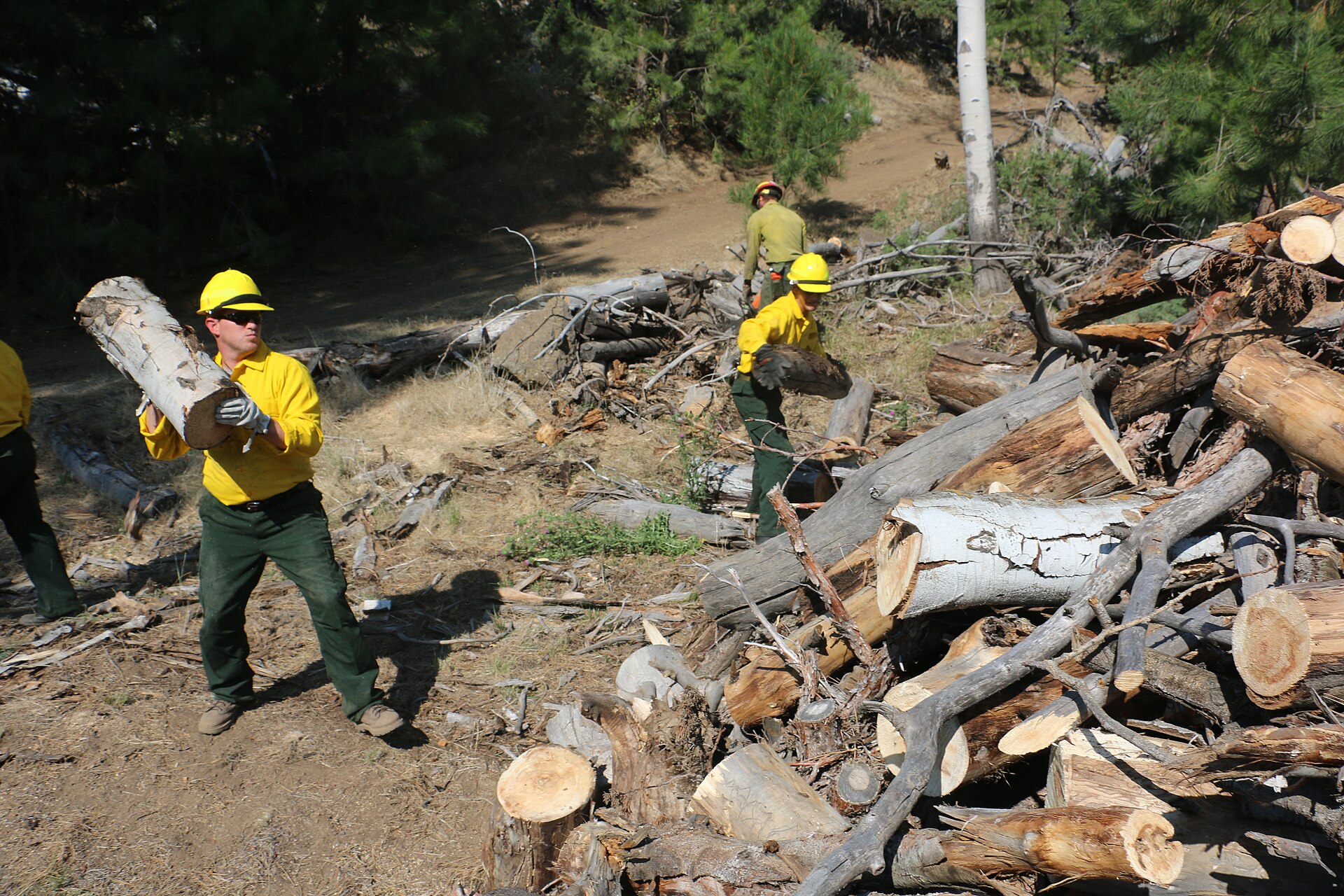
Featured image: BLM Oregon & Washington, Public domain, via Wikimedia Commons.



