There are many ways to become smarter, whether by changing habits or adopting new ones, or by learning from everything we read. And remember that, whatever your age, it’s never too late to become smarter. However, if you expect your success to be proportional to your intelligence, you are probably making a mistake.
In a previous article we looked at the views of psychologist Angela Lee Duckworth, who said that above an acceptable level of IQ there is no noticeable advantage in people’s success. For her, grit and self-discipline mattered more than intelligence.
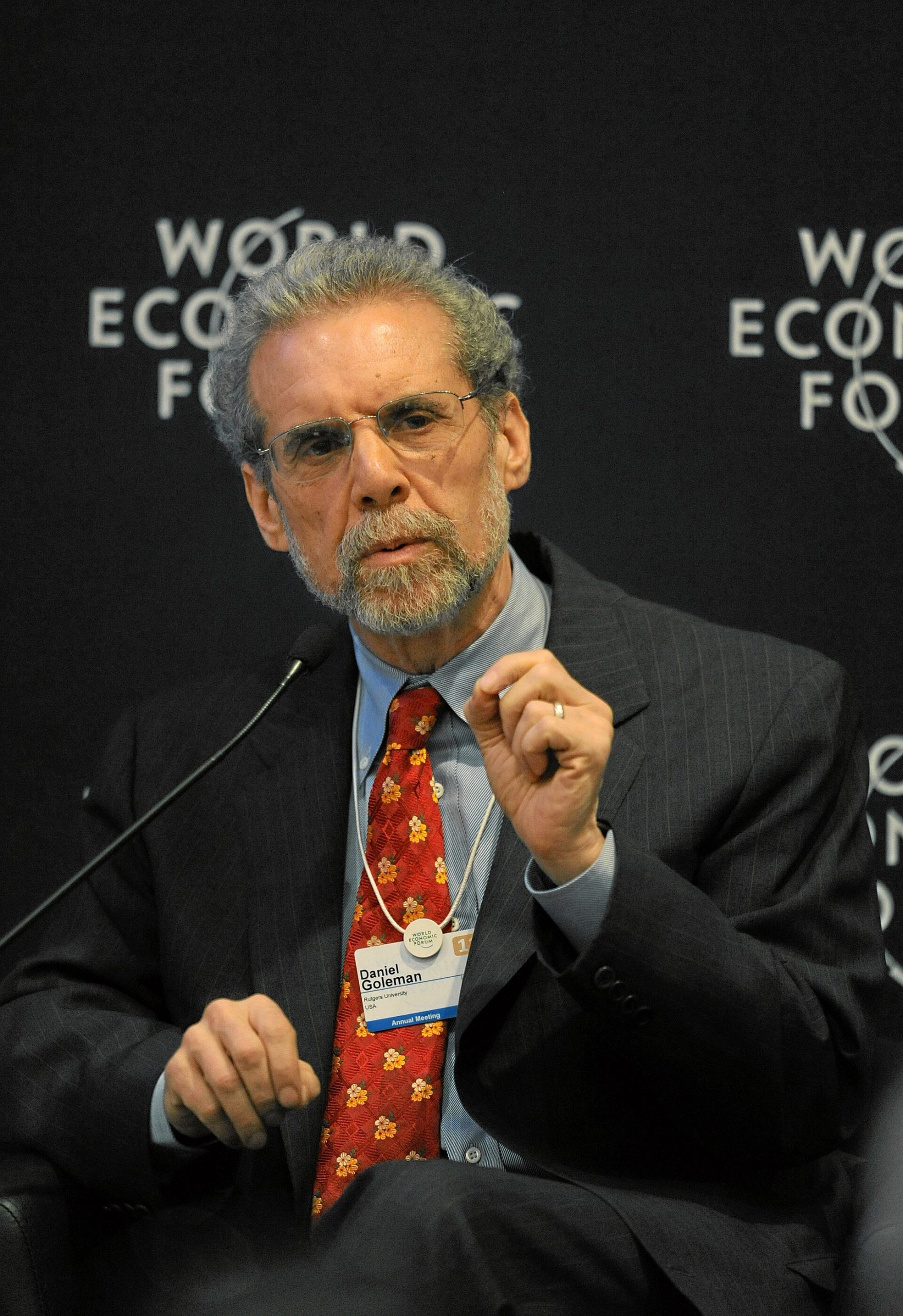
This time it is Daniel Goleman, author of several bestsellers, among them Focus: The Hidden Driver of Excellence and Emotional Intelligence, who names the trait that, in his view, has the greatest influence on a person’s success, whether we are talking about their career or a business.
That trait is cognitive control. So what exactly is cognitive control?
Goleman is referring to certain skills that anyone can work on, such as impulse control, managing negative emotions and, above all, being able to give up immediate gratification for a long-term goal.
Several studies carried out at the University of Pennsylvania found that the students with the highest grades were not necessarily those with the highest IQ, but those who kept going despite setbacks and failures.
A study in which Goleman himself took part followed more than 1,000 children for 30 years. The ones who had become successful by the age of 30 were not those with a high IQ, but those who were best at controlling themselves and their impulses, those who could analyse situations coolly. In other words, those with the best cognitive control.
(Read: Conscientiousness: a trait that predicts your success)
Once we move into the business world, the truth is that being smarter may get you the job, but emotional intelligence is what will make you a successful professional.
In a company, what usually counts are technical skills and knowledge of the job you were hired to do, although both knowledge and skills tend to be very similar to those of your colleagues and competitors. So why, with the same intelligence, the same skills and the same knowledge, do some people remain mediocre professionals while others end up excelling?
Let’s say that the difference lies in how they use their intelligence, in mastering other kinds of techniques and in taking on certain traits, which make up what Goleman calls distinguishing competencies. These would be self-confidence, pursuing goals despite setbacks, being comfortable under pressure, persuading people and the ability to collaborate.
Not forgetting social skills, which, as we have already seen, are far more important than working hard. (Read: The 50-30-20 rule for success in your career.)
As Goleman explains in his book Focus, between 80 and 90 per cent of success in senior leadership positions comes down to these distinguishing skills and competencies; nothing more.
Further reading
- The world’s most successful people have these 7 things in common
- 16 hard things you’ll have to do to succeed
- 10 things you should know in the pursuit of success
- How your physical appearance can count for more than your skills
Featured image: World Economic Forum, CC BY-SA 2.0, via Wikimedia Commons.