Editor’s note: This article was first published in June 2015. Its figures, around 1,000 million euros in turnover for the bicycle business in Europe, more than 3,000 bike shops and around 22,600 jobs in Spain, are from that time and are given without a source.
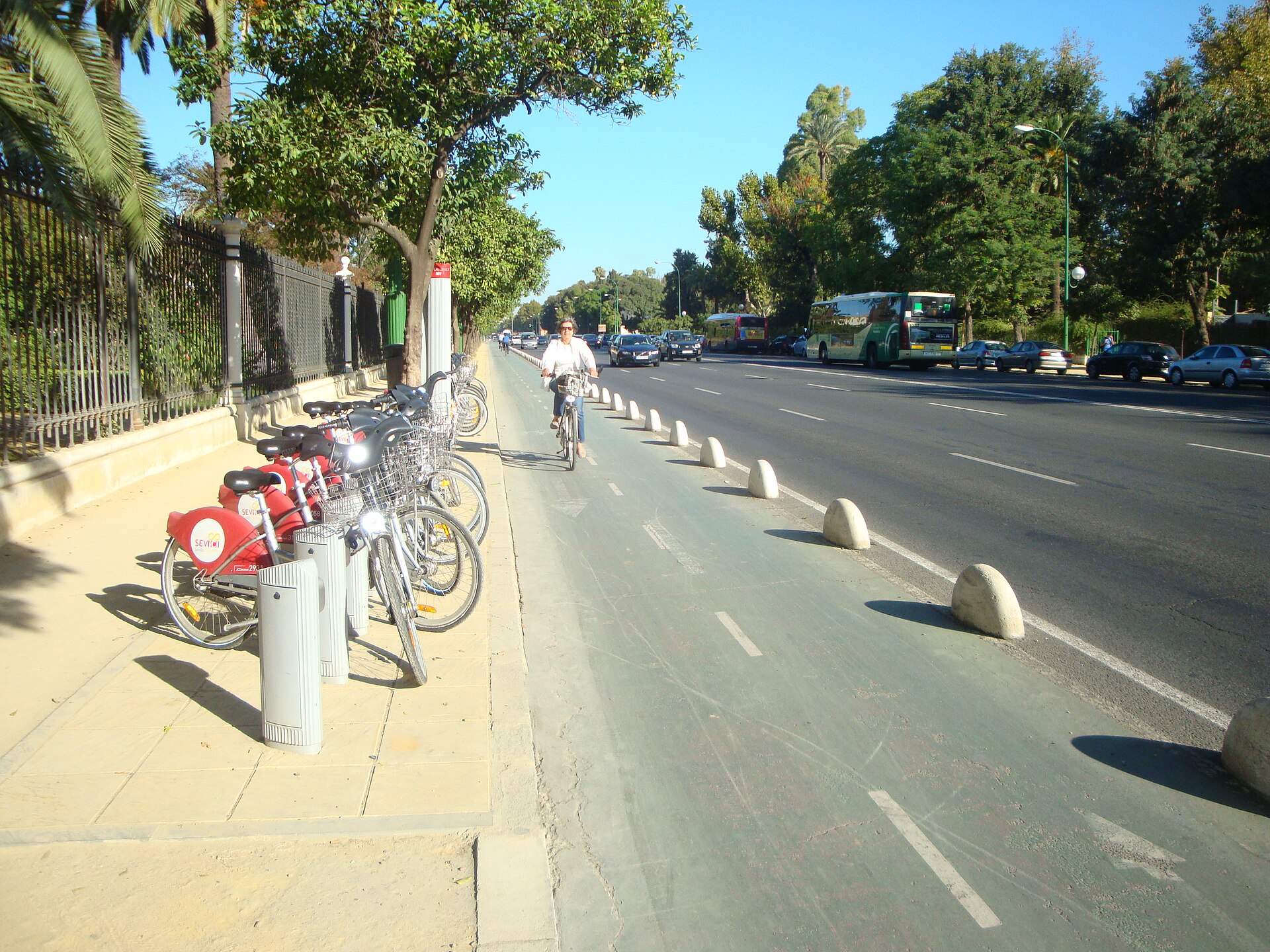
In Europe alone, the bicycle business already turns over around 1,000 million euros. In Spain in particular, certain drawbacks of other ways of getting around have helped the bicycle sector win new followers.
It is a clean means of transport, healthier for the rider and cheaper, and it is also a good way to get around city centres without the usual parking problems.
More than 3,000 bike shops in Spain and around 22,600 jobs created around this industry confirm that cycling is a trend that is here to stay.
Admittedly, whatever the level of interest from local councils, bike lanes are still far from fully developed. Even so, more and more people are taking up this alternative form of transport, whether for economic reasons, for their health, or both.
Spin-off businesses
Selling bicycles is not the only profitable part. Many related businesses have grown up around this industry, from bike rental and repair companies to new business ideas linked to bicycles (such as folding bikes that fit in a backpack) and all kinds of gear and accessories for those who have decided to pedal.
But the sector’s boom is at risk
According to experts, cycling in Spain still has enormous room to grow, but we are about to put the growth in the number of riders at risk.
I imagine it must be for everyone’s good (I have no doubt about it), but Spain’s traffic authority, the Dirección General de Tráfico (DGT), is studying new measures for this means of transport. Among them: cyclists would need a licence to ride, bicycles would need number plates, and insurance would be compulsory to ride a bike.
In other words, if this plan went ahead, the bicycle would no longer be a cheap way to get around and would face the same requirements as any other vehicle.
Although these ideas are still being studied, the mere fact that they are being considered could hurt the dozens of franchises devoted to bicycles, because many riders would probably not take on those extra costs just to be allowed to ride.
There had already been talk of a possible bubble in the bicycle sector, as already happened with e-cigarette shops, and news like this could only speed up the moment it bursts.
I am sure there would be some real advantage to making insurance, number plates and a licence compulsory for bikes, although some wagging tongues say that studying these measures would only make sense as a way to raise revenue. That would surprise us, considering that the DGT, as you all know, is interested only in looking after our safety.
Of one thing I am sure: if one day a large share of people decided to get around on roller skates, the DGT would look into making number plates compulsory for skates.
What real advantages would measures like these bring?
Featured image: Frobles, CC BY-SA 4.0, via Wikimedia Commons.