We never know how we will behave in a given situation until we’re in it. That is the case with an armed robbery or hold-up, where it never hurts to know how to act when the moment comes, or at least what not to do. The advice may seem very obvious, though for many people it isn’t, but at the very least it’s common sense.
I’ve only been in this situation once in my life, and it isn’t pleasant at all. To start with, you only need to know a couple of things: one piece of good news and one piece of bad news.
The good news is that, as a rule (and most likely), the aim of a robbery is simply to steal and escape without hurting anyone, because criminals themselves know that robbery and murder are very different things in terms of sentences and police investigation.
The bad news is that even the most well-meaning thief on the planet, and the most stupid, may do something stupid if he feels trapped, or may even make a nervous mistake that costs someone their life.
One morning, an ordinary day at the company’s offices, we heard motorbikes approaching the building, and then voices shouting “don’t move”, “hands up” and a whole string of swear words that rose above the screams of the office staff.
The first thing I saw when I looked out was a man dressed as a motorcyclist, with his helmet on and a sawn-off shotgun in his hand, pointing it at five very nervous workers walking in single file.
At that moment we couldn’t see what was happening in the other sections of the company, where at every exit door there was another motorcyclist carrying either a shotgun or a pistol.
They took us to the back of the office and told us to sit on the floor with our hands in sight, with the usual threat that anyone who moved would be shot.
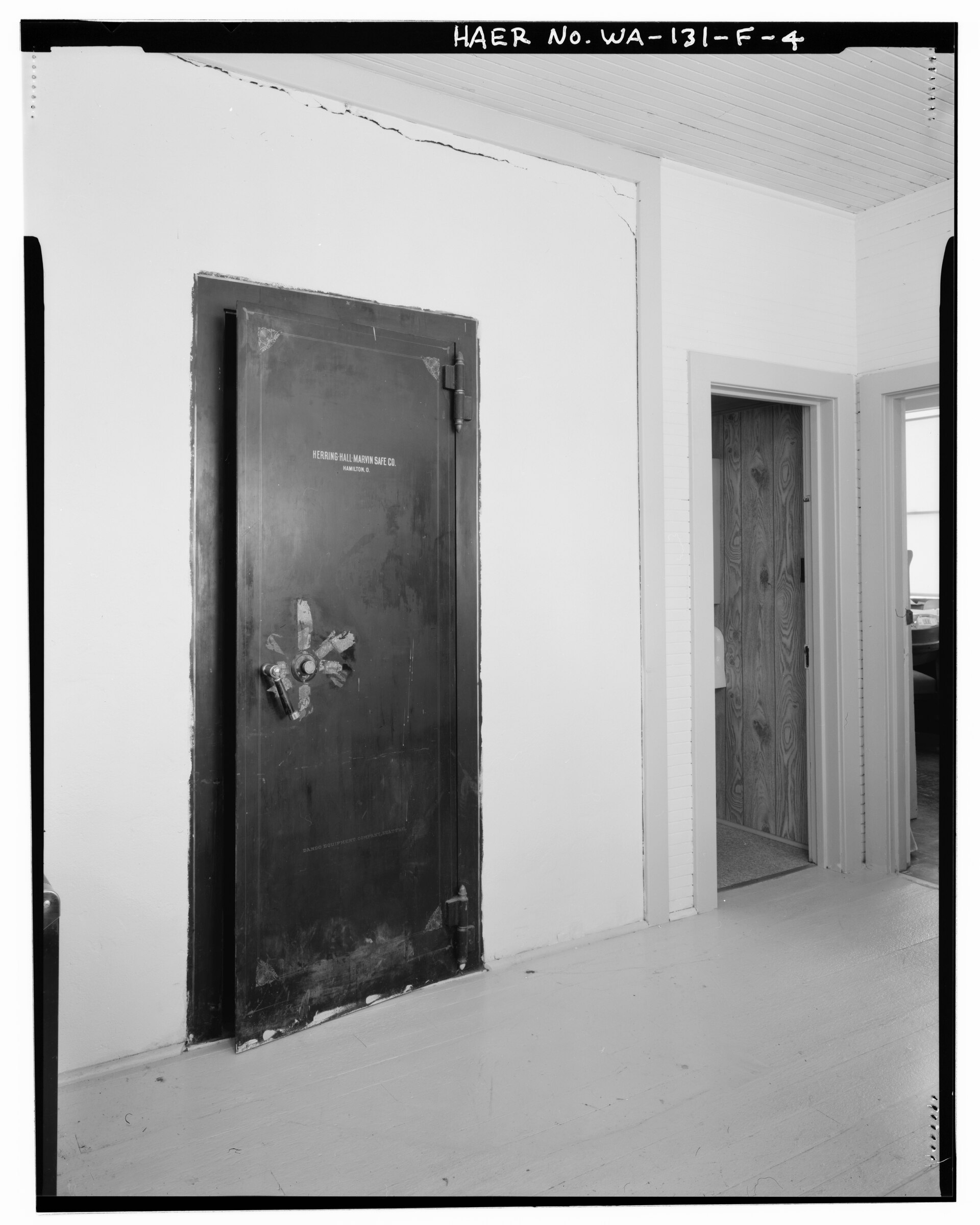
The tensest moment came when the motorcyclist grabbed one of the administrative staff by the hair and dragged her all the way down the corridor towards the office where the safe was.
It was clear that the motorcyclist was not only big and strong but quite aggressive, so the possibility that he might shoot someone could not be ruled out. Afterwards you analyse many things, such as how exactly the motorcyclist knew who was in charge of the safe and which room it was in, considering that more than 20 people worked in that wing of the company and there were more than 10 offices. But at that moment, the truth is that fear makes you think only “let this be over quickly”.
Although we didn’t know it at the time, the same thing was happening in the workshop and in the other wing of the company, with two more motorcyclists.
The woman opened the safe, the motorcyclist put the money in a bag and walked away from us backwards, pointing the gun at us.
When we heard the motorbikes again, it was a moment of release, knowing it was all over. Apart from the woman who had been dragged across the floor, who was in shock, nothing terrible had happened.
As a rule, that is how these robberies tend to go: if nobody tries to confront the robbers and they’re given what they ask for, it should all end quickly.
What I was thinking at the time was that I hoped nobody had pressed the alarm we had in the company. If the police arrived before those motorcyclists left, it could go from a simple armed robbery to a hostage situation, where the robbers could get very nervous on finding themselves trapped, and at that point the situation would be very unpredictable.
To bear in mind in case you ever find yourself in this situation, here are some tips for surviving a robbery… well, not so much for surviving as for not provoking anyone into doing something stupid.
1. Cooperate with the robber at all times, both for your own safety and for the safety of everyone present. Comply with the thief’s demands.
2. Stay calm. Your heart will be racing, but hysteria doesn’t help anyone. It can even make the situation worse. Remember that emotions are contagious and that the thief came in with his adrenaline already through the roof, so if you make him nervous, he could do something stupid. Remember that most thieves are not professionals.
3. The silent alarm question…
Honestly, I don’t know what’s best here, because as I said above, the worst thing that can happen is that the police arrive quickly and the robbery turns into a hostage situation that ends in shooting. For my part, I’d advise that if you see everything is going smoothly, you let the thief or thieves leave as soon as possible. At least that’s how I saw it.
4. Don’t talk. Stay as quiet as possible and speak only to answer questions you’re asked.
5. Don’t stare. Most people feel uncomfortable being watched when they’re doing something wrong. In this case, the thief could feel intimidated if he sees you watching him. The way to show him you’re not a threat is to lower your gaze.
6. Don’t make sudden movements. Some people, when they get nervous, put their hands in their pockets or to their chest. Raise your hands with your palms showing, which conveys calm and the absence of a threat. Remember that even if he has no intention of shooting, the thief’s finger will be on the trigger, and nerves could make him pull it without meaning to.
7. Don’t play the hero. It’s not worth it. Money and valuables can be replaced, but your life can’t.
8. If you recognise the thief, don’t say so during the robbery. Sometimes it happens out of sheer stupidity, but at other times someone might recognise the robber and call him by his name in an attempt to calm him down. That could change the course of the robbery very much for the worse, because the thief would know he no longer has a way out. So even if you know who he is, keep quiet and tell the police afterwards.
9. Don’t chase the thief once he leaves the business, company or premises. Leave that to the police.
You’ll never know how frightened you’ll be, or what danger you face, until you go through an experience like this, but at least try to keep these nine points in mind if the moment comes.
Since I suppose someone will ask the usual question, “and what does this have to do with business?”, I’ll answer in advance: “The number one rule for succeeding in business is to be alive to succeed.” 🙂
Featured image: Stamets, John, creator, Public domain, via Wikimedia Commons.