Succeeding in life by achieving financial freedom or becoming truly rich is a matter of mindset more than anything else. If there’s one thing the people who have devoted their lives to studying great entrepreneurs and billionaires have talked about, it’s the huge difference between the way the rich think and the way everyone else does.
The rich think, act and make decisions. The poor also think and act, and some of them (not all) even make decisions. The problem is that we don’t think the same way or act the same way, and so, whether we make decisions or not, we produce very different results.
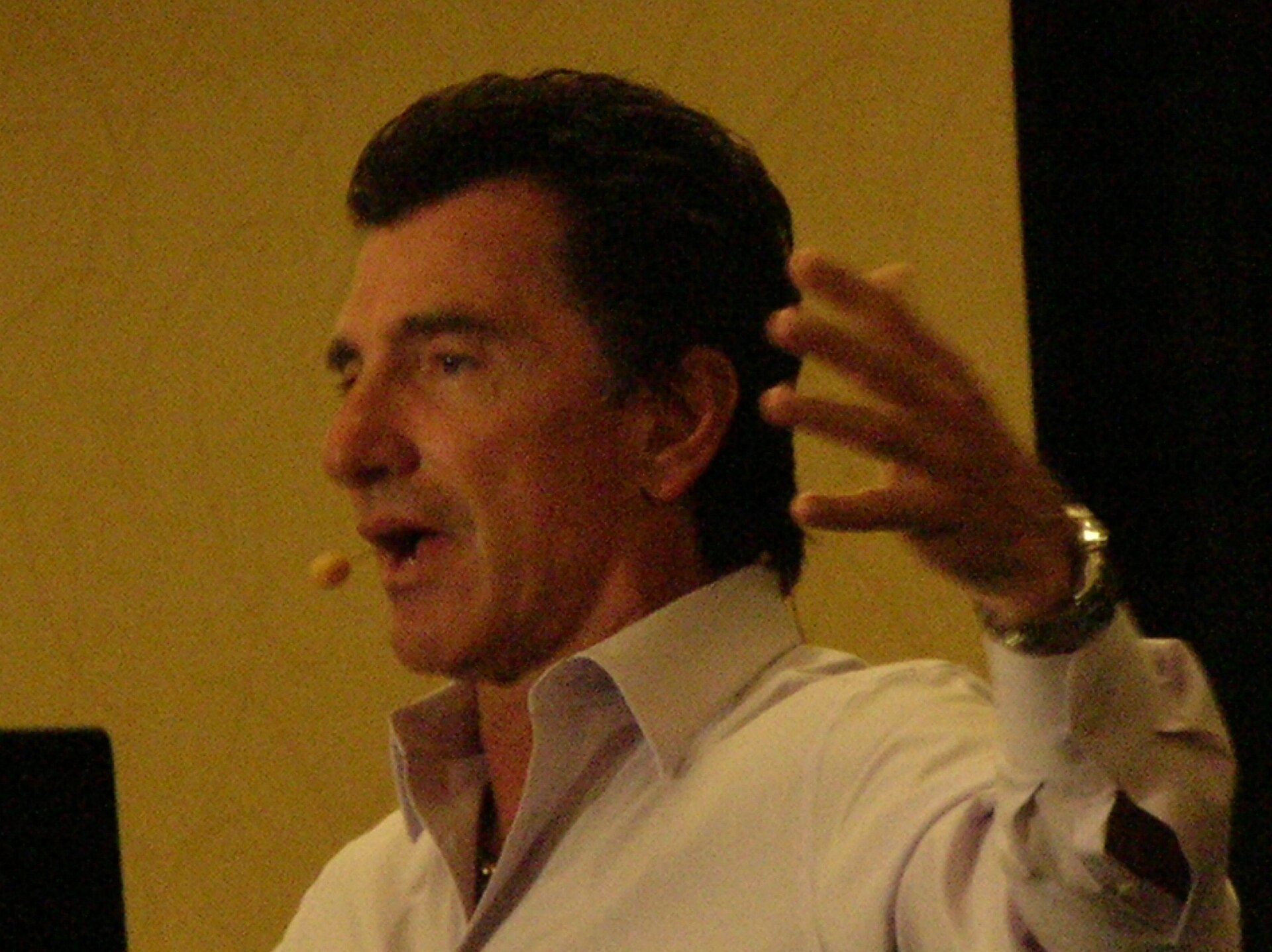
If we previously broke down Napoleon Hill‘s ideas, the author of Think and Grow Rich, on the things that stop you from getting rich, this time T. Harv Eker, author of Secrets of the Millionaire Mind, which features in our ranking of the best financial education books, gives us some advice and ideas about certain things that keep you from escaping poverty or lead you straight into it.
For Eker, there is one habit above all that destroys our growth and wealth, and most people consider it harmless: complaining.
According to Eker, as well as most research on the power of focus, constant complaining is the worst thing you can do for your health and your finances.
When you complain, you’re focusing on the bad; you’re reliving the bad things in your life, and whatever you focus on is what you help grow, and therefore what you attract most. And we’re not talking about cosmic energy.
There’s a kind of game researchers use to show how a person’s focus works:
A room full of people is asked to observe everyone else for a minute and try to remember who is wearing something red. People start focusing all their attention on looking for red clothing and memorising who is wearing it. Then they are told to close their eyes and, with their eyes closed, they are asked: “Who in the room is wearing something blue?”
The result: almost nobody has managed to notice any blue clothing, because everyone was looking for red, and so we have attracted the colour red.
Now imagine that red stands for your problems and blue for your opportunities. Because you’ve focused on watching for red, I’m sorry to say, you’ve missed the opportunities.
Complaining is a way of focusing, but only on the negative, and so it’s the perfect way to bring crap into your life.
It may sound like a cliché, but instead of saying “I have no money”, “my life sucks because I have no money” or “If I had the money to do…”, shift your focus to “I need to make money” or “I’m going to make money”. That way, at the very least, your brain’s next step will be to look for ways to make money.
Or, as in the BuzzFeed example, instead of saying “This sucks, Google has screwed me”, focus on “How could we keep going without Google?” Call it the power of words if you like, though it really falls under the power of common sense.
Surrounding yourself with complainers has the same effect
Much has been said about the importance of surrounding yourself with quality people, and being around negative or positive people will also make you catch their negativity or positivity. Nobody is strong enough to stay positive after long exposure to negative or toxic people.
For Eker, distancing yourself from people who do nothing but complain is just as important as stopping complaining yourself, because falling into this vicious circle is very easy but also very costly, in terms of energy, health and money.
In the end, we are our thoughts, and it’s our thoughts that shape how we see the world around us. There are very bad things and plenty of problems out there; there are also very good things and lots of opportunities. It’s not that the people who have built successful lives haven’t faced great difficulties and stumbles. It’s just that they gave them the attention they deserved and let them go quickly.
More advice from Eker
The poor tend to let things happen, while the rich make things happen. If you do nothing, nothing happens. You get into the river and let the current carry you along until you find yourself at what Tony Robbins called the Niagara Falls of life.
While most people believe they must adapt to a series of factors to survive, the rich are clear that they can influence the way they live. In fact, they believe they are mainly responsible for shaping their own lives. If there is such a thing as destiny, they are clear that they control it so that it turns out the way they want, or at least they won’t stop trying until it does.
Most people think wealth is out of their reach because they aren’t good at anything. The rich knew they had to prepare, study and read to become good at the very thing that would later help them build wealth.
And the biggest difference: focus
This difference in focus may seem small, but it’s bigger than we can imagine, and in a way it opens up a huge gap between the opportunities the rich have and everyone else’s.
As we know, you have to take risks to achieve anything worthwhile. When it comes to risk, the poor focus on everything they could lose if they fail. The rich focus on everything they could gain if they succeed.
Ironically, someone who is currently unemployed will say they don’t have time and that they’re afraid of losing, when in fact they have all the time in the world and probably little to lose at this point.
That’s why the poor focus on the risks, while the rich focus on the rewards. And in the end, focus is what sets them apart.
Featured image: BrokenSphere, CC BY-SA 3.0, via Wikimedia Commons.