

No matter how much the world changes, there will always be timeless truths about the best way to lead others to success.
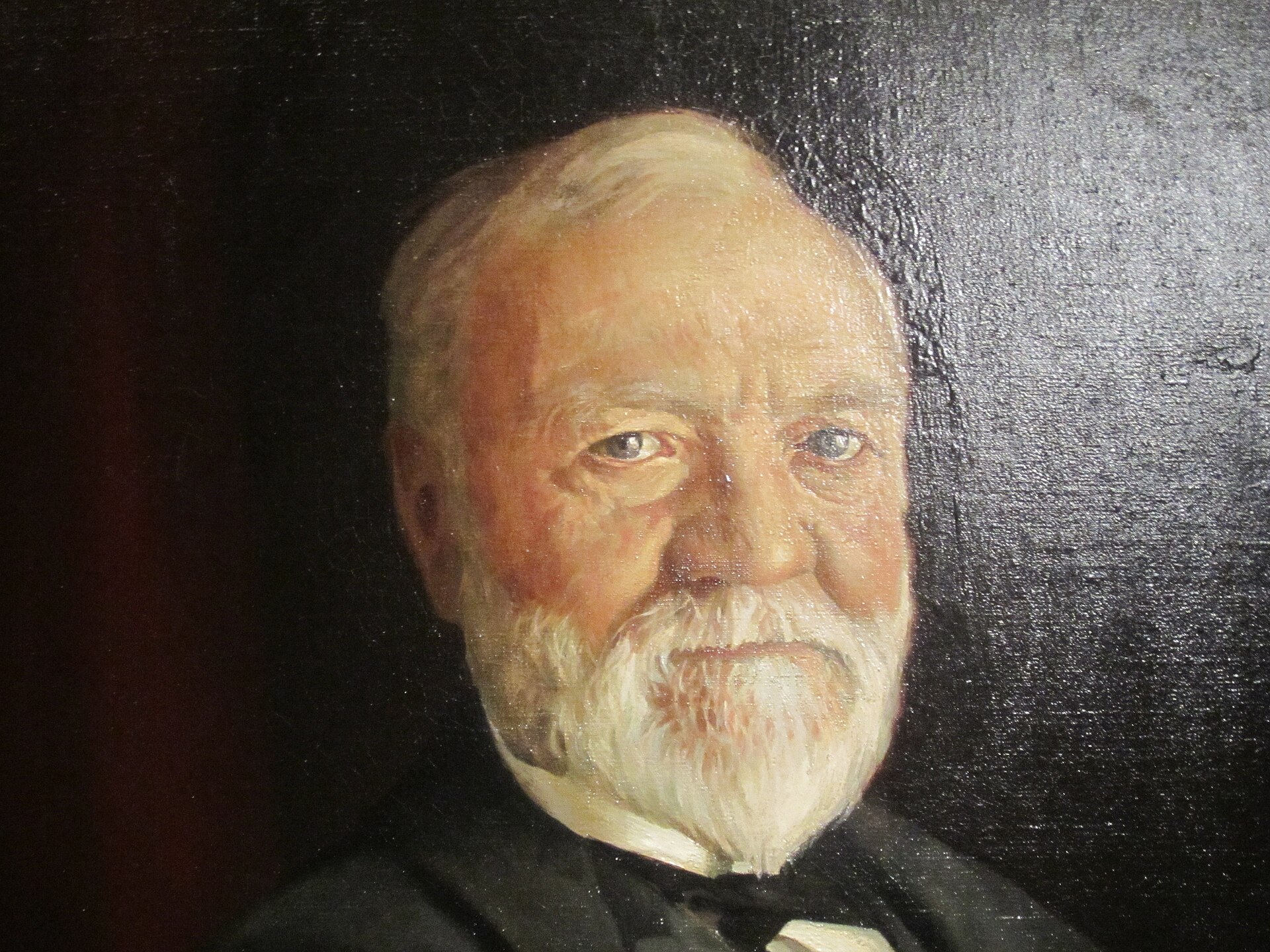
The businessman Andrew Carnegie was the richest man on the planet in the 20th century and a keen student of what it takes to achieve greatness. In 1908 he met the journalist Napoleon Hill and decided that Hill would be the vehicle for sharing his strategies with the world.
Their conversations became the basis for almost everything Hill wrote from then on, including his book Think and Grow Rich, which became one of the best-selling books of all time.
At one point, Carnegie told Hill that successful leaders in every walk of life exemplify a specific set of traits, the best qualities that all of them possess. Here is a summary.
1. They have a definite purpose and a definite plan to achieve it
Great leaders are always working towards an overall goal. There is no hope of success for a person who has no definite purpose or goal to aim at.
2. They have a motive that drives them continuously
Nothing great is ever achieved without a definite motive, Carnegie says.
3. They surround themselves with talented people who share their vision
Carnegie is referring to the ideal team. In his view, great achievement is always the result of the coordination of minds working towards a definite end.
4. They are capable of self-reliance
There are still plenty of times when a leader has to act on their own initiative, effort and judgement.
5. They have intense self-discipline
Discipline comes through self-control. This means you must control all your “negative” qualities. Before you can control any situation, you first have to control yourself, because you can’t control others if you can’t control yourself. There are no exceptions to this rule, according to Carnegie.
6. They are persistent
Most of us are good at starting things, but in the end we tend to grow tired of everything we start. People are prone to give up at the first signs of defeat. Great leaders don’t abandon their plans at the first setback.
7. They are creative
Leaders must be forever looking for new and better ways of doing things. They must be on the lookout for new ideas and new opportunities to achieve the object of their work.
8. They are decisive
Speed of decision is one of the most important qualities a leader must have. It’s dangerous to be impulsive, but it’s better to make a bad decision than none at all.
9. They are enthusiastic
Being too enthusiastic can be as off-putting as being too dry or cynical, but effective leaders know how to pass their drive on to their team and channel that energy towards a goal.
10. They are fair
Treating some employees with favouritism, or treating those you don’t like with disdain, won’t produce positive results for long.
11. They are open-minded
A man with a closed mind does not inspire the confidence of his associates, and without confidence, leadership is impossible.
12. They go beyond what is required of them
Carnegie said he had never known a successful leader in business or industry who did not strive at all times to render more service than any man under his authority.
13. They are tactful
Great leaders know how to be gracious; they know how to tell their team things so that no one feels offended or humiliated.
14. They listen more than they talk
The best leaders don’t use conversations as an excuse to feed their ego, but to learn as much as possible from the person they’re talking to.
15. They pay attention to detail
Successful leaders are aware of the responsibilities and the comings and goings of all their subordinates, but in a way that doesn’t lead to micromanagement.
16. They are determined
The best leaders bounce back from defeat. They see it as a lesson in what went wrong and move on, confident that they are now better equipped to achieve victory.
17. They accept criticism
The man who harbours resentment when his work is criticised will never become a successful leader.
18. They know when to hold back
Leaders can lose the respect of their subordinates if they lose their temper too often.
19. They are loyal
Loyalty begins with loyalty to oneself. Loyalty to your team and your customers becomes an extension of this.
20. They know when to speak frankly
A diplomatic leader knows when to refrain from saying something that is offensive or that compromises their goals, but choosing to hide the truth through deception is an easy way to build a reputation for being unreliable.
21. They understand other people’s motivations
Great leaders have the ability to step outside themselves and imagine the perspectives of both their subordinates and their competitors.
22. They are exceptionally pleasant
People will give their all for a leader they admire. It is important, in Carnegie’s view, for a leader to be able to be likeable and to make themselves agreeable to others.
23. They are focused
The best leaders concentrate their attention and energy on a single project at a time. Concentrated effort, as Carnegie saw it, gives a power that cannot be attained in any other way.
24. They learn from mistakes
It’s more important to learn from your own mistakes than from other people’s.
25. They take responsibility for their subordinates’ mistakes
Nothing destroys a leader’s ability faster than the habit of shifting responsibility onto others.
26. They recognise the achievements of others
A great leader understands that excellent performance should be praised, because people are often more motivated by verbal recognition of their efforts than by a cash bonus.
27. They treat others the way they would like to be treated
Carnegie told Hill that he gave supreme importance to the Golden Rule, describing it as a simple view of the right way to do business.
28. They take responsibility for the actions of their whole team
Although Carnegie puts this point at the end of his list, when talking to Hill he admits that if he could go back he would make it the first point on his list because of its importance.
29. They can act without being carried away by their emotions
Carnegie finds that the best leaders have a degree of stoicism about them, in the sense that they can set their emotions aside when the time comes to make an important decision and see things objectively.
Featured image: Unidentified painter, Public domain, via Wikimedia Commons.



