

Editor’s note: This article was first published in November 2015, and its mention of Virgin Hotels as Richard Branson’s latest project reflects 2015. Virgin Trains’ West Coast franchise ended in December 2019.
In the summer of 2012, the British government told Virgin Trains that it had lost the bid to keep the rights to run the West Coast rail franchise in the UK. Virgin Trains had been operating for 15 years, with a value of around $10.9 billion, and its annual passenger numbers had grown from 13 million to 30 million.
Richard Branson, chairman of Virgin Trains’ parent company, Virgin Group, writes in his book Losing My Virginity that he was surprised and baffled, and that he had lost the licence to his competitor, FirstGroup.
He decided to stay quiet for a while and then meet with his lawyers and advisers to work out whether Virgin had been treated fairly or not. Everyone was saying that FirstGroup’s numbers were unsustainable, which meant that the British government had made a mistake in its calculations.
Even so, many members of Branson’s team told him he would only waste his time and damage his image if he sued the British government. But after carefully weighing the facts, he decided to take the government to court.
A week before the hearing he had scheduled with the Department for Transport at the UK High Court, Branson got a phone call from the department’s secretary. He was told that, on further review, the department had realised it had made serious miscalculations and that his company had in fact made the best offer.
Branson believes it was his decision to sue the government that saved his rail company, and that filing that lawsuit was one of the best decisions he has ever made. In his book The Virgin Way, he outlines four rules he has followed when making tough decisions like this one throughout his business career.
1. Don’t make decisions in the heat of the moment
Branson said he was stunned when he first heard that the Virgin Trains deal had gone the other way, but he had enough experience to know that he needed to take time to think and gather facts instead of letting his feelings take over.
Had he made a statement to the press about how frustrated he felt at the time, or sued the British government on instinct alone instead of on the facts, his case would have been more likely to be thrown out, and he would have looked bad.
Acting in the heat of a positive emotion is just as bad as acting on a negative one, Branson says. Before making a decision, you need to give it enough time for the influence of first impressions to wear off.
2. Find as many drawbacks to an idea as you can before deciding
Branson carefully considers everything that could go wrong before he makes a decision.
In the Virgin Trains case, Branson’s lawyers initially told him he had only a 10% chance of winning the lawsuit against the government. But after gathering evidence that his bid was better than the other company’s, he was convinced he was right, and that he also had the customers on his side.
Nothing is perfect, he writes, so you have to work hard to get past any obstacle that might come up, and clearing that obstacle will only make you feel even better about the decision.
3. Weigh how the decision affects other projects
Before making a decision, Branson looks closely at how it will affect his other projects, both in the short term and in the long term.
The question he asks is whether an opportunity, however good it seems, will affect other projects or priorities, and whether now might not be the right time to pursue it.
Branson’s latest project is Virgin Hotels, with which he hopes to take advantage of the booming American market.
In every business he starts and runs, he always considers beforehand how the new venture will reflect on the Virgin brand and on himself.
4. Protect the downside
In a post on his LinkedIn account in 2014, Branson wrote that the best lesson his father taught him was to protect the downside; in other words, to limit potential losses before going ahead with a new business venture.
Branson’s father told him that he would let him leave secondary school at 15 and start Student magazine only if he managed to raise £4,000 in advertising to cover the printing costs.
He repeated that strategy in 1984, when he made the big leap from the music business to the airline business with Virgin Atlantic. He was only able to persuade his business partners at Virgin Records to accept the deal after he agreed to return the Boeing 747 they had acquired if the business wasn’t working as planned after a year.
Further reading
- 9 tips for entrepreneurs from millionaire Richard Branson
- The fascinating life and career of Richard Branson
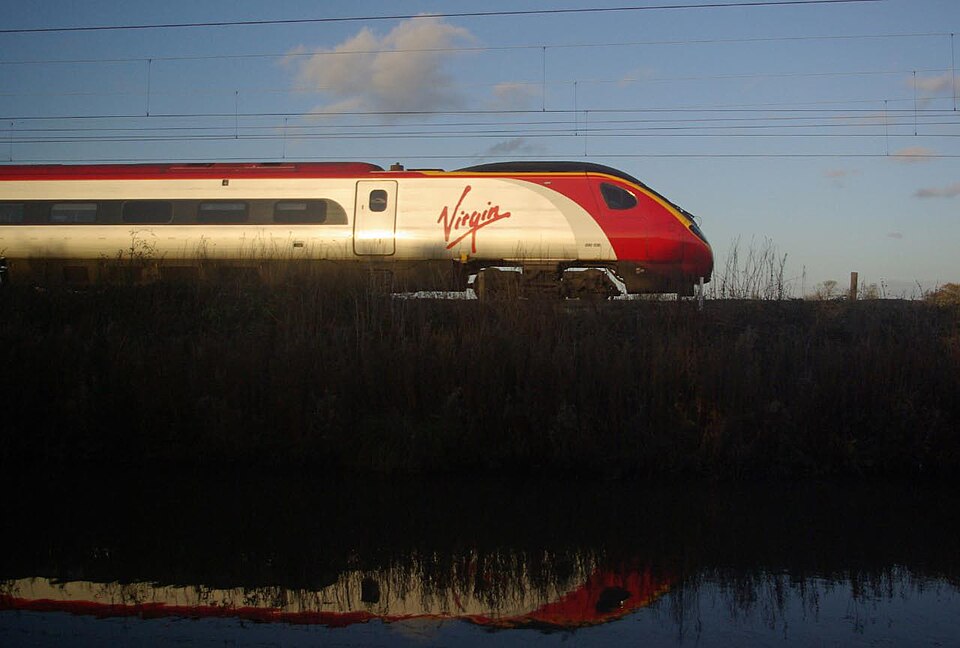
Featured image: Pendolino on the West Coast Main Line by Stephen McKay, CC BY-SA 2.0, via Wikimedia Commons.



