

For better and for worse, small things can lead to big results (positive or negative).
In finance, small expenses, the little everyday purchases that Spanish speakers call “ant expenses”, can ruin your financial future. As someone once said, “a small leak can sink a great ship.”
In your life, the sum of small things or actions, consistently repeated, can bring you great success, because “we are what we repeatedly do” (Aristotle).
But when it comes to failure, small things can also cause great tragedies.
For example, in 1979 a passenger plane with 257 people on board left New Zealand for Antarctica on a sightseeing trip.
Although turbulence and other in-flight problems (which passengers rarely hear about) are usually present on 80% of flights, most flights reach their destination, and flying is the safest means of transport today.
The reason almost all planes reach their destination is air traffic control, aircraft’s innovative navigation systems, and the fact that pilots are constantly making corrections in response to any problems that arise. If pilots didn’t make these corrections regularly, disasters could be far more common.
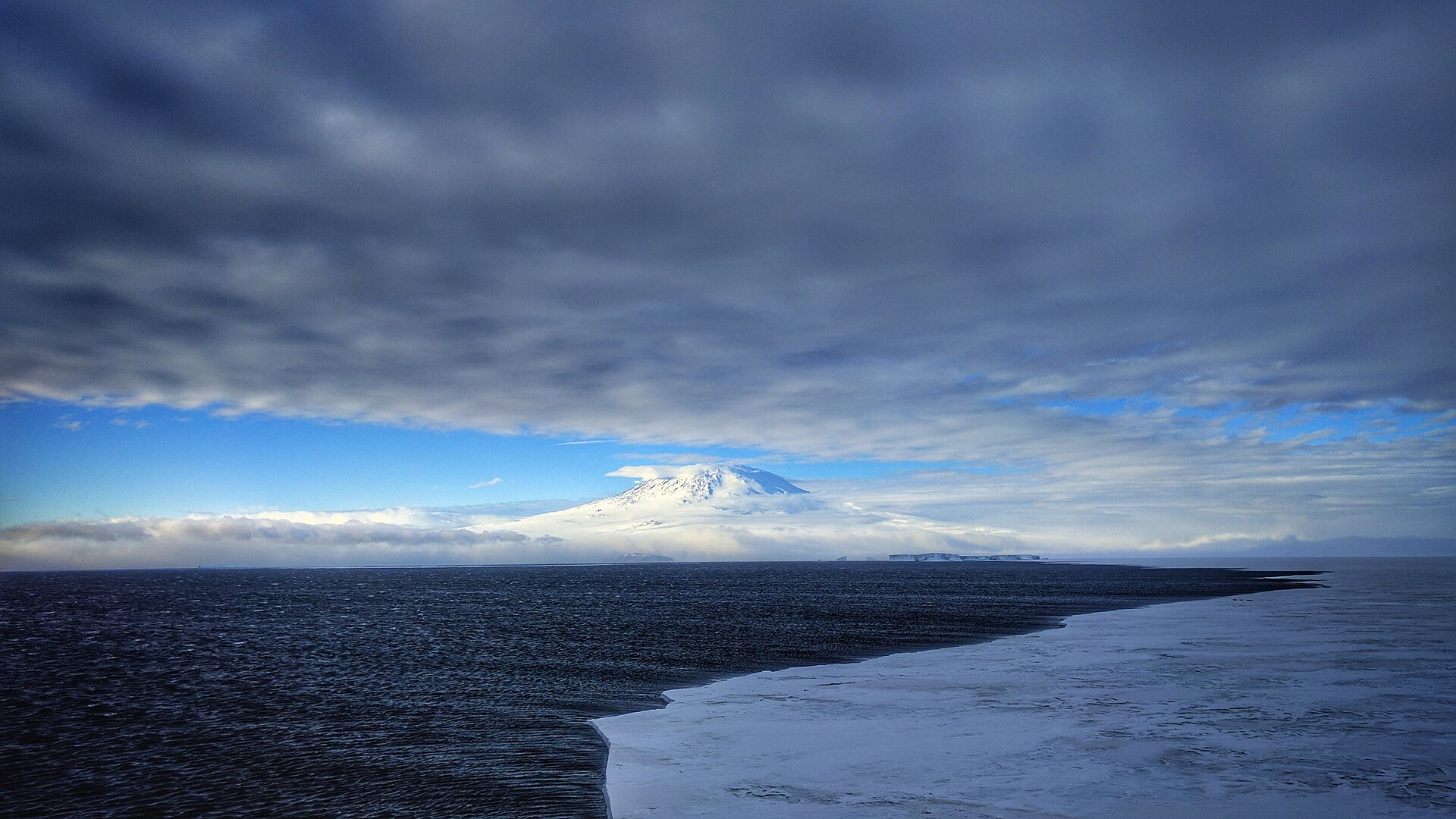
But on the flight we mentioned above, Air New Zealand Flight 901, the pilots were unaware that someone had altered the flight coordinates by a mere two degrees. As they approached Antarctica, the pilots descended so that the passengers could take in the beauty of the landscape, but the incorrect coordinates had put them on a course towards a volcano, Mount Erebus.
The pilots thought they were flying over flat ground, because the snow on the volcano blended in with the clouds. When the system warned of danger, they tried to correct their course quickly and climb, but it was too late, and all 257 people on board were killed.
A two-degree error caused an enormous tragedy, because those 2 degrees are a small mistake which, if not corrected in time, turns into a catastrophic result.
Here we’re using Air New Zealand Flight 901 as an analogy for our lives, because certain aspects of our lives may have incorrect coordinates that seem harmless, but which can set off powerful ripples that end up having catastrophic consequences for our future.
We are the pilots of our own lives, and just like planes, we’ll have calm flights and turbulent ones.
No pilot will reach their destination without a flight plan. No pilot will reach their destination without constantly adjusting the coordinates in response to the unexpected.
How are you piloting your life?
What is your flight plan?
Are you sure your coordinates are set correctly, or do you think they might need correcting for you to reach your destination?
Missing or wrong coordinates are what can lead us to what Tony Robbins calls the waterfalls of life. Many people don’t realise they have let themselves be carried along by the current until they see that they’re heading towards a waterfall with a drop that could be immense.
How do you know whether your “plane” is on the right course? Many people spend most of their time on matters that need a fix for an immediate problem, but the lack of coordinates makes them neglect the long-term journey, which usually includes setting aside time to organise your life around learning, relationships, health and the pursuit of your personal goals.
If you feel that, as the years go by, you’re getting further from your goals, it’s time to change the coordinates of your life and turn in a new direction. Otherwise (although it’s rarely too late to change your life), it could be one of those moments when the volcano is already right in front of our plane and it may be too late to pull up. But I insist that in this analogy, when we’re talking about life, you can almost always change direction and become the person you want to be, or do the things you really want to do.
Still, to continue the analogy: a pilot who sets off for their destination may arrive without a problem or may crash. A pilot who never sets off won’t crash, but will never reach their destination.
I’ll finish with a Chinese proverb: “The best time to plant a tree was 20 years ago. The second best time is now.”



