

Paul Ekman is the author of Telling Lies, the book that inspired the TV series Lie to Me. He defines a lie as a deliberate decision to mislead a target (the person being lied to) without giving them prior notice of that intention (that is, without warning them that you are going to lie to them).
According to Ekman, lies come in two types:
- Lies of concealment: we are not being given all the information.
- Lies of falsification: giving or presenting false information as if it were true.
In the first case, the liar feels less guilty than in the second, because they don’t think they have lied to you; they have simply left out some facts or details.
But there are other, craftier ways of lying, which we could basically describe as telling the truth falsely: lying by telling the truth, or avoiding the truth without having to lie. It is a technique used by manipulators and professional liars, and it works because they manage to turn the situation around, replacing our feeling of distrust with the feeling that we look foolish for being suspicious.
1. Telling the truth in a twisted way
Ekman gives the example of a couple in which the wife has a lover. Her husband walks into the room while she is on the phone with the lover. When she hangs up, her husband asks who she was talking to.
At that moment, most unfaithful people would try to hide their nervousness, and some, more quick-witted than others, would try to come up with a convincing answer on the spot, such as “nobody, wrong number”, or would claim it was a friend or a relative.
But if the answer is… “Well, you can imagine. I was talking to my lover. Since I sleep with him three times a day, we have to keep in touch to arrange our dates”, and if it is said with a smile or in a joking, mocking tone of voice, we would have a full confession, also known as a false truth, because the intention is to make the partner feel guilty for being jealous, in case he had any suspicions. And if he has no suspicions, he will probably laugh at the joke or say something like “very funny”.
Who would be stupid enough to joke about a supposed “crime” that nobody knows you are committing? Only an innocent person would, and professional manipulative liars know it.
2. Telling the truth while ridiculing the other person, and using anchoring
Ekman gives the example of a police officer who worked for the government gathering evidence of corruption among police officers, lawyers and members of the Mafia.
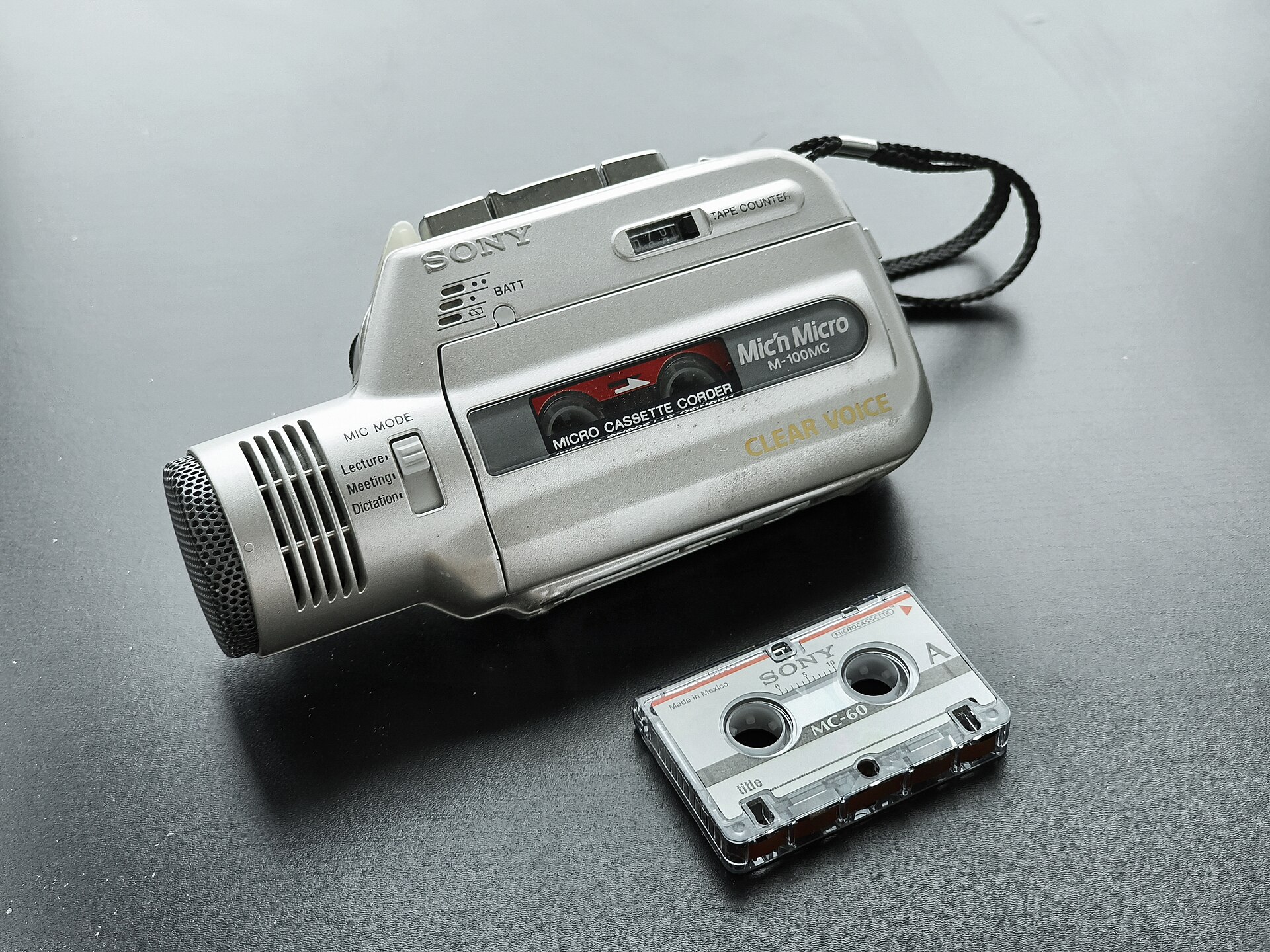
To do this, he always carried a recorder. At one point, suspicions arise that this officer might be working as a government informant. If so, his life would be in serious danger.
The way he dispels the doubts is by saying to the criminal:
“Let’s not sit in this noisy spot, or I won’t be able to record anything you say today,” he tells him in a mocking tone.
“I don’t see what’s funny,” the mobster replies.
But it doesn’t stop there: the officer starts boasting that he really does work for the government, and that even the waitress across the room (very scantily dressed) is wearing a microphone under her underwear.
Everyone starts laughing at the joke, except the mobster in question, who laughs only grudgingly.
The truth is that the officer really couldn’t record properly in that noisy part of the bar. He hadn’t lied to him, just as he hadn’t lied when he said he worked for the government. By admitting it so brazenly and joking about it, as well as joking about the waitress having a microphone between her legs, the officer saved his life by making it very hard for the mobster to keep suspecting him without looking like a fool.
*Although Ekman doesn’t mention it, this technique is effective partly because of anchoring. It gets the brain to link the two main elements of the joke: the informant and the waitress. So if it’s ridiculous that the waitress has a microphone between her legs, it’s also ridiculous that the officer is a government informant.
3. The incorrect-inference dodge
This technique spares the liar from saying anything untrue. It is ideal for people who like to be sincere without coming off too badly.
Suppose a friend of yours (Antonio) paints, and he invites you to his exhibition. But you think your friend is no good as a painter and his paintings are crap. Then the moment of truth arrives: at the exhibition, your friend Antonio comes up to you and asks what you think of his paintings.
We could tell him the paintings are rubbish, but we would hurt him. We could tell him they are wonderful, but we would be lying, and that is not our aim. Nor can we dodge a direct question.
This is where we can use the “incorrect-inference dodge”, which comes in a few variants. We could play the art critic and say, slowly and enthusiastically, with a slight wave of the hands:
“Antonio, Antonio. What can one say?” Or, lowering the voice a little more: “Antonio, I honestly can’t find the words.”
And if you want to put the cherry on the cake of irony, you can say: “Antonio, I’m sure tomorrow everyone will be talking about you.”
Here we are counting on the fact that, faced with ambiguous words, people prefer to interpret them as what they want to hear.
And now, as Clint Eastwood would say, “I know what you’re thinking”… “Has he slipped a lie past me this way while I thought it was a joke?” 😉
Featured image: Mk2010, CC BY 4.0, via Wikimedia Commons.



