

Editor’s note: This article was first published in June 2017. Job titles are as of 2017: T. Boone Pickens, chairman of BP Capital Management, died in 2019, and Beth Comstock, described as GE’s marketing director, left GE in 2017. Other founders’ businesses are described as they were then.
Having a mentor is one of the biggest shortcuts to success there is, and often a way of avoiding the most common mistakes we can make when we start out in business. That said, it is worth remembering that what worked for some people may not work for you, although in my personal opinion the tips collected below are valid for any kind of entrepreneur or venture.
Some of these tips were gathered by Inc., while we had already covered others in a previous article.
1. Don’t worry too much
“A mentor told me not to worry too much about things, explaining that stressing over an issue won’t help and is often just a waste of time, as we spend our time and effort on worries that will probably never happen.
As a result of that conversation, I now go ahead when I’m 80% happy with a decision, and then change my plan (if it needs changing) over time based on feedback.”
Chad Zani: runs an eco-friendly car wash business that uses a biodegradable paste.
2. T. Boone Pickens, chairman of BP Capital Management
If I had to single out one piece of advice that has guided me through life and business, it would be from my late grandmother, who was very wise and made sure I understood the path to success. She sat me down one day and told me: “There’s no point in blaming others when we fail.” It was simple advice, but throughout my life I have had a few failures that I managed to recover from because I recognised that the failure was mine, and so the responsibility for fixing it was mine too. That way, the success has also been mine.
3. Don’t put your house on the line
“Potential investors in my business wanted me to put up my house as collateral for the loans, to prove I was all in. A mentor explained to me that, however tempting it might be, a lack of financial security can create a desperate environment in which an entrepreneur can make desperate, costly mistakes.”
Jonathan Preedom: his business sells tracking devices that sync with smartphones.
In this case, remember that mixing personal and business finances is not a good idea, and it often cuts both ways: the business can wreck our financial security, but an out-of-control lifestyle can also wreck a business that should be doing very well.
4. Peter Guber, chairman of Mandalay Entertainment
When I was starting out in business, a businessman told me: “Peter, you’re going to lose a lot, many, many times, because it’s a crucial part of the process, but you must never come across as a loser or be downcast about it in front of your family, friends or team, because that does no good to you or to them.“
In short, thanks to this humble piece of advice, I have faced the problems that have come up in my life with a positive attitude and a big smile.
5. It’s just business
“My company and the whole start-up process were personal for me. I lost sleep over it and literally cried. I often argued with my husband because of the company. Every time investors said no, it hurt; I felt as if everything was falling apart. Some mentors helped me not to take business personally, not to take things so much to heart. It’s just business.”
Krystal Stubbendeck: her company is an e-commerce platform with a twist: pregnant women can have their clothing covered during pregnancy and the months that follow.
6. Outsource everything you can
“When I started, other local business owners became my mentors. The best advice they gave me was to outsource everything in the business that can be outsourced: accounting, legal matters, human resources and other professional services. That way I could focus on what I do best.”
This advice matches that of Tim Ferriss, author of The 4-Hour Workweek.
Emily Gaddis: her business is a buying club that promotes healthy eating, less waste and buying food locally.
(See: How to make your business more profitable in less time, by Tim Ferriss)
7. Beth Comstock, marketing director at GE
I was efficient at my job. My hallmark as a good professional was speed and organisation. I was also reserved by nature. One day Jack Welch, my boss, called me up to his office and “told me off” for being too efficient.
He said: “Take the time you need to get to know the people you work with. Relax, listen to them, understand where they come from and what matters to them. Make sure they trust you and that they’re with you.”
That made me think, and once I put it into practice, I realised what capable people I had working with me. Today part of my professional success is down to the people I work with, because now we move in step on our projects. I know them, they know me, and we all know what we want. That is leadership.
8. Protect your idea
“Once your business or product starts to be recognised by your potential customers, you’ll find that everyone wants to get in on your business idea. Be careful and protect your idea with patents and trademarks. Competition is fierce, and it is essential to know and understand your competitors so you can identify the areas that can and should be protected.”
James Lawrence: a software system that makes sure drone operators comply with ever-changing rules and regulations.
See also: 3 different ways, mindsets and attitudes for doing the same job
9. Run with the fastest
“It’s easy to stay in a group where we are the fastest. But if you want to run the marathon called success, running with the fastest runners is everything. Runners who are training every day to get better. I won’t come first, but the group’s time will be much better because you have the best runners.”
Put more simply: surround yourself with people who are much better than you. Surround yourself with the best.
Siloh Moses: runs a restaurant that provides a meal to a homeless person for every menu a customer buys.
10. Jeff Selingo, columnist and author
The best advice I received was about happiness, because if you are not happy, it doesn’t matter what you do. Clint Williams told me to ask myself 3 questions: “We should have at least two-thirds happiness in our lives, so… Are you happy with your job? Are you happy where you’re living right now (home, city…)? Are you happy with who you’re with (partner, friends, co-workers…)?”
If the answer to at least 2 of these 3 questions is “yes”, you may be on the right track for now. If not, you urgently need to make changes in your life to give it some meaning.
11. Look outside your field
“Get feedback from people outside your field, because they can bring ideas that would never even cross the minds of people in your industry.”
Personally, I love this piece of advice.
Jen Koevary, founder of MyCardia.
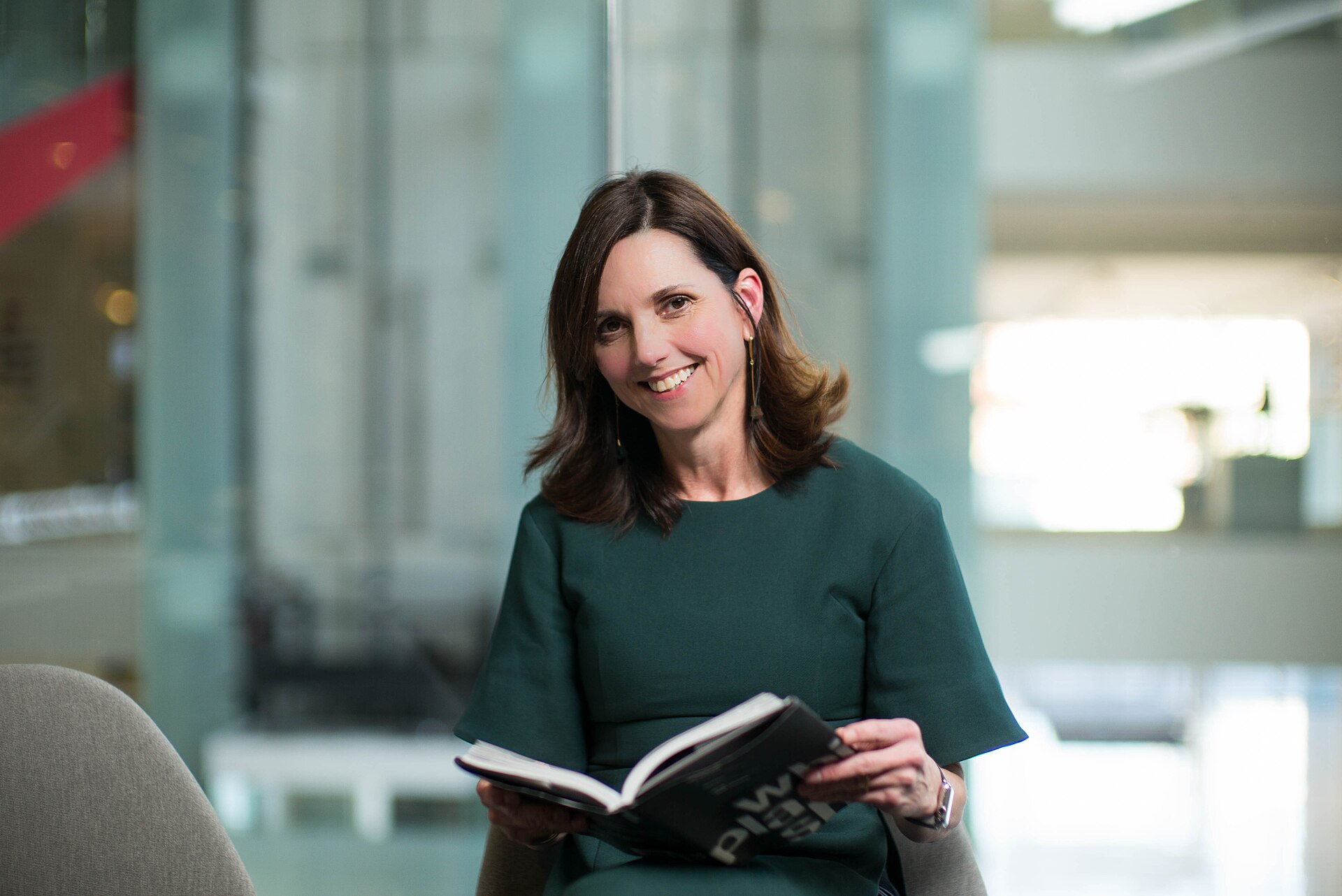
Featured image: Joi Ito from Cambridge, MA, USA, CC BY 2.0, via Wikimedia Commons.



