Have you ever thought that, for you to be happy with your current life, it would have to be a certain way? We have probably all fallen at some point into this idea that, in order to be happy, this or that would have to change.
And it’s true that in most cases changing the situation is in our hands, so all we have to do is stop complaining and focusing on the problems, and start working on the changes. But we forget something: randomness, which some people call bad luck in life. That is what we’re going to focus on now, in order to avoid certain toxic behaviours and accept a reality that will stop us from living a parallel life we don’t actually have.
When we believe that life should be a certain way in order to be good enough for us, we are in fact ignoring the opportunities currently available to us, draining mental energy that, in a way, makes us resist real life instead of focusing on enjoying it.
(See: 10 toxic behaviours that are ruining your life)
Most people live in a constant cycle of resistance.
In most cases, people who lock themselves into these cycles have built a kind of psychological cage that we have been conditioned to live in, the result of a difficult past or disappointing experiences, social influence or the stereotypes television has sold us.
When we consciously decide to let go of the idea that our life should be a certain way, and free our minds to face life’s unexpected changes, the less fortunate randomness, the challenges, the failures and the chaos, we create space for acceptance, learning and growth.
This way we can learn from our mistakes and from other people’s mistakes, and we allow ourselves to move forward with some mental clarity, accepting life as it is and letting go of what has gone. And all that energy we will no longer spend on “my life should be…” we now focus on building from here towards where we want to go.
We need to close doors, turn pages and finish chapters, finding ways to focus on our current situation and leaving in the past the chapters we can no longer write.
What happened yesterday is beyond your control; what you do from now on can change everything.
In many cases it isn’t easy to close chapters, because you will even have to abandon many of them without closing them. It won’t be easy, but it’s what has to be done. Leaving behind people you loved because they didn’t love you, or losing people you loved who loved you too.
There is nothing you can do about that except come to terms with it, accept it and keep moving forward.
Get rid of the idea that you can control everything, starting now.
The truth is that you can’t control most of the things that happen in life, and you can’t spend your energy on what you can’t control. Concentrate on the things you can control, which is often your response to the uncontrollable.
In other words, you can’t control whether someone leaves you, but you can control your attitude to keep moving forward in life. Other people will come along if your mind is ready to receive them and you have stopped living in the past.
Much of the control you think you have over your life is a mere illusion.
Along these lines, Marc Chernoff gave some examples of how many things are beyond your control:
- A young man goes to the doctor and comes out with a cancer diagnosis: there is nothing he can do about that diagnosis. His life has changed. All he can do is accept it and fight the disease to recover. Would he rather not have cancer? Of course, but now he has to focus on what he is going to do to come through this situation victorious.
- A young mother of two loses her husband in an accident.
- Dozens of families lose their homes in a tornado.
- A business owner was thriving until the economy collapsed.
- An employee loses her job when her employer goes bankrupt.
These are life events, randomness (because we did nothing good or bad to bring them about), and they are beyond our control. Once they happen, we have to respond to the situation in front of us in the best possible way.
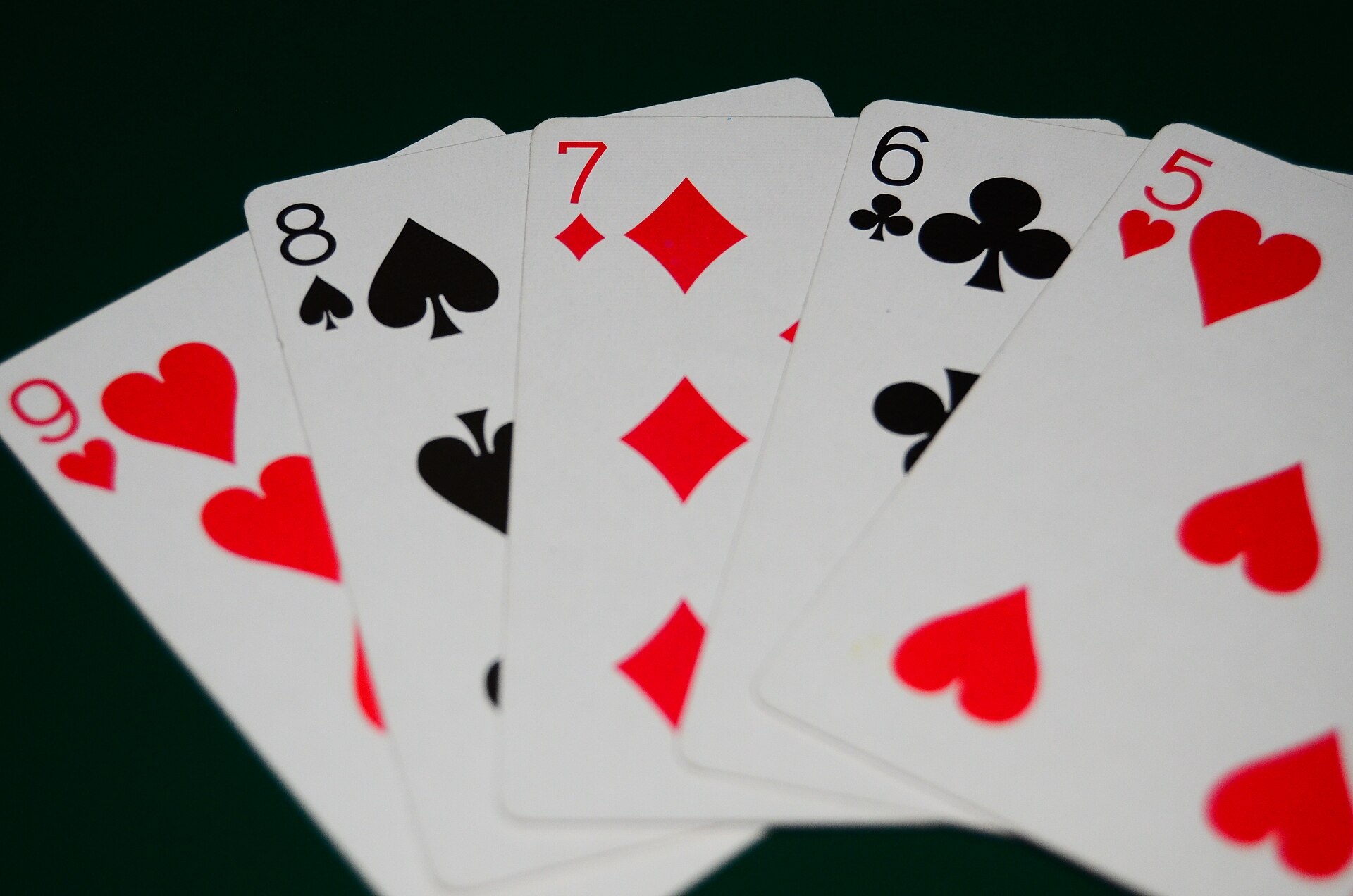
Life is like a game of poker, where sometimes we are dealt good cards and sometimes not such good ones. How will you respond to the cards you’ve been dealt? You can focus on your bad cards and complain about them, or you can come up with strategies to play the hand you have.
When it comes to the mind, there is only one strategy: keep playing, whatever happens, as best we can. That’s all there is to it.
Now, let’s be realistic: your battlefield is like a school playground.
We have given some very extreme examples of bad cards in life, when the truth is that many people haven’t been dealt bad cards so much as never even sat down to play.
In most cases, for people who are healthy and don’t live in the developing world, the truth is that many describe their situation as if they were fighting an army, when in reality their battlefield is a small school playground, where a few brave decisions (or simply decisions), instead of spending so much energy complaining, could change their situation dramatically.
(See: Complaining is what leads you to poverty, according to the author of Secrets of the Millionaire Mind)
What exactly can we control in life?
We already know that we can’t control certain illnesses, the loss of loved ones, being left by our partner or the bankruptcy of the company we work for, and if any of that happens, focusing our energy on the problem is a waste of energy.
But we can control…
- How we spend our time right now.
- Who we spend our time with.
- Which habits we want to adopt.
- Which habits we want to drop.
- Who we socialise with.
- Whether we want to be grateful for what we have or would rather complain.
- Whether we value ourselves.
- Whether we say no to the things we are not prepared to tolerate.
- What we want to learn.
- The path we want to take, starting today.
- How we respond to the fiascos and disappointments that will inevitably come along in life.
- Whether, once we suffer a failure or are left by someone, we see it as a loss or as an opportunity for personal growth.
And most importantly, you can choose to stop focusing on all the things you can’t control.
Featured image: Guts Gaming, CC BY 2.0, via Wikimedia Commons.