

Editor’s note: This article was first published in August 2018. The ZinePak revenue figures (over $1 million in the first year, $5 million in under three years, doubled three years later) and the Forbes recognition come from the founders’ accounts at the time; the company’s current status may differ.
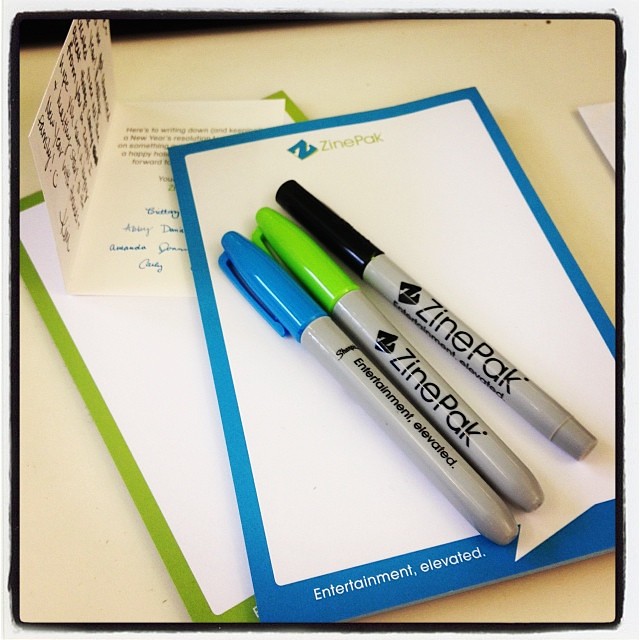
Brittany Hodak and Kim Kaupe are two young entrepreneurs who built ZinePak, a business they started in 2011 with $60,000 of their own savings and which reached revenues of $5 million in under three years. They managed to double that revenue in just another three years.
Their business idea is selling personalised memorabilia and merchandise from artists and stars to their fans. The original idea was to create a magazine and a CD that would let fans get to know their favourite stars better. Sales came quickly: in the first year alone they billed more than $1 million. Katy Perry, KISS, Justin Bieber, Taylor Swift and Mary J. Blige are just some of the stars in their catalogue.
See also: Advice from 7 young entrepreneurs to help you succeed in business
This business didn’t succeed overnight
Being young women entrepreneurs in the music and entertainment business hasn’t been easy. According to Hodak and Kaupe, it has always been a double-edged sword.
They tell the story of how, early on, they met with executives from a powerful company they have chosen not to name, and one of the executives in the room interrupted them with a snide remark: “Who’s your father, that they let you in here?” They wrapped up their presentation by replying: “Nobody. It would have been easier to get here that way.”
Just three years after that incident, they were on the Forbes list as entrepreneurs of the month and among the 30 Under 30 in music.
How did the business get started?
Both entrepreneurs knew they would never feel ready enough to take the leap and start this business. What’s more, it wasn’t one of those businesses you can start with no money. This one needed investment, and they had savings they would have to put at risk if they decided to bet on their idea.
They admit they started out scared. But the coward and the brave person feel the same fear. The only difference is that fear paralyses the coward, while the brave person keeps going despite it.
To make sure they would have at least some first sales lined up, they began calling different companies to explain their business idea and ask whether they would be interested in the product if they decided to launch it.
The conversation that changed everything was with Walmart
Brittany Hodak called one of Walmart’s executives and said: “Listen, I’m thinking about doing this. Would you be interested in selling it in your stores if we made it?” The Walmart executive said: “Yes, absolutely.” So Hodak asked again: “OK, but are you completely sure? Because we’re about to quit our jobs to start this company and do it for real.”
The Walmart executive insisted: “Do it. You have our support.”
When the world’s biggest retailer tells you that you should do something, it means your chances of success have just gone up. And believe me, there’s no business plan or market study more useful than asking the people who will have to buy from you whether they’re interested in buying.
That is one of the most important business lessons we can take from the ZinePak story, and a way to increase the chances of success when creating a new business.
The main problem they faced at the start
Cash flow was a problem from the beginning. The founders explain that when you start a magazine, it takes a lot of paper. And you have to buy that paper upfront, with those initial costs ranging from $20,000 to $100,000. They had to use credit cards with very high limits, juggling to pay off the debt within 30 days.
Likewise, they acknowledge that because they grew so fast, they had to do things they weren’t prepared for at the time and didn’t even know they could do. Of course, there’s no better way to learn what you don’t know than by doing it.
What mistake did they make, and what did it teach them?
HerCampus magazine interviewed them and asked exactly this question.
Brittany Hodak admits there was one mistake she made twice. “I made the mistake of staying in jobs I didn’t like for too long. I stayed in my first job after college, running retail marketing for a record label, for three and a half years. Even though I learned a lot and met wonderful people, I should have left much sooner. The goals in that job weren’t aligned with the goals I wanted professionally. That’s why you have to talk honestly with your bosses about the direction of your work.”
It’s easier to ask for forgiveness than permission
Those words could sum up these entrepreneurs’ philosophy. Although it may sound like counterintuitive advice coming from an authority figure, the truth is that it’s a rule worth following in your professional life. If you have an idea, carry it out. If you think you should do something, do it. Don’t ask for permission. There will always be time to ask for forgiveness later.
Featured image: Charlie, CC BY-SA 2.0, via Flickr.


