

This is a selection of short stories to reflect on, some of them in the form of metaphors, that can help us change the way we think. Others are true stories. They are not chosen at random, and I believe they can be genuinely useful.
1. The strength of an elephant
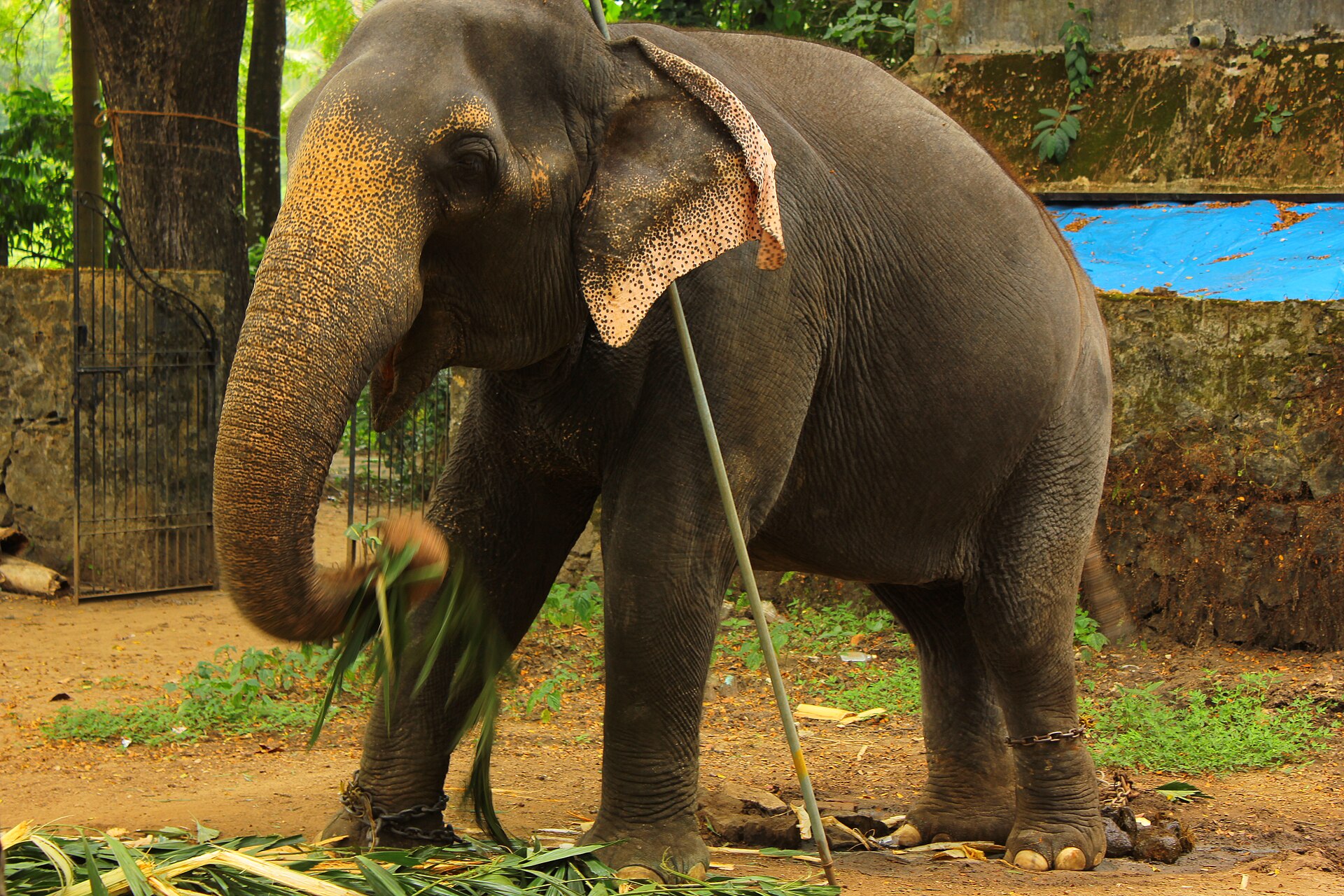
Zookeepers often tie adult elephants with a metal chain to a thin wooden stake driven into the ground. The elephant, weighing 5 tonnes, could escape effortlessly. It could break the chain or pull the stake out of the ground. The elephant is the most powerful land animal in the world. It could uproot a tree as easily as we snap a toothpick.
Yet the elephant stays held by that thin chain and won’t even try to escape. Why does this happen? Because when the elephant was a baby, its trainers used the same methods. Back then, a chain and a simple stake in the ground could hold the elephant and stop it from escaping, however hard it tried.
The elephant accepted that escape was impossible. It was impossible to break the chain that held it. Now, when the elephant sees that chain, it remembers what it learned as a baby: that it cannot escape. It isn’t true that it can’t escape today, but it doesn’t matter whether it’s true or not. What matters is what it believes.
Throughout our lives, we have learned a great deal about the environment we grew up in. If that environment taught us that we are tied by certain chains, then however much potential we have, we will never make up our minds to try to break them. In our lives, the elephant’s chains represent the self-limiting beliefs that hold us back.
Often, past experiences such as rejection, failure or trauma put a chain on us. Even if we now have the potential to fly, because we have grown or gained new experiences, if you can’t rid yourself of all the chains that no longer bind you, you will live tied up for the rest of your life.
2. A short story to reflect on happiness
Some time ago I met a girl and started a relationship with her. I did my very best to please her and make her happy, but nothing I did ever seemed to be enough. Even though I was giving 100%, I couldn’t make this person feel at ease. She never came to feel grateful for everything I gave her. She had everything she needed to be happy, but she simply wasn’t happy. That relationship ended, and at one of the worst moments of my life I met someone else. I couldn’t be as available to this other person. She arrived in the middle of my chaos (and by chaos I simply mean, in my case, a somewhat disordered life because of a few things beyond my control), but she was just grateful for my presence. We lacked many things, but she felt happy.
That day I understood that other people’s happiness doesn’t depend on us. In other words, you can’t make someone happy who is programmed to be unhappy. I think there’s an expression that sums it up quite well: don’t cast pearls before swine.
Happiness doesn’t depend on other people. It depends on an emotional state we already inhabit and on our willingness to share that happiness with others. In other words, people should feel happily complete and share that happiness with someone who adds value to their life. A person can only share what they already have or have to spare. If you are a cheerful, happy person, that is what you will share. If you are full of unhappiness, that is what you will share.
3. Victim of your circumstances or master of your choices?
There was once a man who was an alcoholic, a drug addict and a thief. During a robbery at a shop, he shot the shop assistant. He was arrested and sent to prison, charged with murder. Before going to prison, this man had had two sons.
Thirty years later, Tony Robbins went to interview the two sons, now grown men.
One of them had followed in his father’s footsteps. He became an alcoholic and a drug addict and ended up stealing to pay for his addictions. He too ended up in prison.
The other had married and had a wonderful family. He had also become a successful businessman.
Tony Robbins asked both sons the same question:
How did you end up like this? And the curious thing is that they both gave exactly the same answer: “With the father I had, what did you expect?”
In other words, the one who followed in his father’s footsteps used his past to become a victim of his circumstances. How did you expect me to turn out, with the father I had?
Meanwhile, the other son, by saying “How did you expect me to turn out, with the father I had?”, used his father’s past to turn it into something he didn’t want to resemble. Above all, he knew he couldn’t change the past. But he knew he could be the master of his choices.
It never hurts to remember that we can’t change our past, but we can all start taking control of our lives, simply by waking up one day and starting to do things differently from the way we had been doing them.
If you become the master of your choices, you become the master of your life.
And this is without doubt one of those stories worth reflecting on, because the truth is that we tend to pass the buck when it comes to our circumstances. In reality, we are entirely responsible for our own lives through our choices and decisions.
4. The secret of happiness
There was once a boy who didn’t like studying, but he made the effort, thinking that once he finished his studies he would be able to do many things he couldn’t do now, and so he would be happy. He finished studying, but he wasn’t happy because he had no job. So he thought he would be happy when he found a job. He eventually found one, but he didn’t feel happy at work. He didn’t earn much money in that job either, so he was still unhappy.
He took that unhappiness out on the people around him; he was almost always angry because he didn’t like the kind of life he was leading. He wanted to earn more money so he could do more things and be happier. He got a better job and began earning more money. And everything went well, but only for a while. He felt lonely. He thought that if he found someone, he would be happier.
He found that someone, and everything went well. At least for a while. He always needed more than he had, and nothing seemed to satisfy him once he had had it for a while. For him, happiness was always in the things he lacked.
One day he died suddenly. In heaven, he was able to meet his creator and asked why, after searching for happiness all his life, he had never found it. The creator replied:
You did have happiness. In fact, happiness was in all those things, all those people and all those moments you missed while you were searching for happiness.
As we always say, happiness is not a goal to chase but the fuel that will take you to that goal. It’s not something you have to pursue. It’s an emotional state you inhabit, and it begins at a starting point: being grateful for what you have and building from there.
Happiness is, above all, having a purpose that makes you leap out of bed every day full of energy and vitality. Only a person who always has goals and dreams to reach can achieve that.
See also: 6 things money can’t buy, and they’re not the ones you’re thinking of
5. Life is like chess
Chess is a game of strategy that can’t be won just by moving forward. Sometimes, to get into a better position, we have to step back.
This reminds me that we can often become depressed because life deals us a setback that pushes us backwards. Just as in chess, in life we can win by making a U-turn.
There is a huge difference between giving up and starting over. In fact, in many cases it’s necessary to back up, abandon something, let something go, in order to position yourself better and move forward again.
And we finish with this last metaphor, which you probably already know, but which is worth repeating and remembering.
6. The weight of the glass
During a class, a teacher held up a glass and asked his students how much it weighed. The students tried to work out the weight of the glass. The teacher replied:
The weight of the glass doesn’t matter. If I hold this glass for a few seconds, it will weigh very little. If I hold it for hours, its weight will make my arm ache. If I hold it for days, it could have serious consequences for my arm.
Either way, the absolute weight of the glass doesn’t change. It’s the same. But how long I hold it can change how heavy it feels.
Your worries, frustrations, disappointments and negative, stressful thoughts are like that glass. Think about them for a while and nothing drastic will happen. Think about them for longer and you’ll start to feel noticeable pain. Think about them every moment and you will cause yourself problems.
When you feel the glass is too heavy, let it drop.
This reminds me of an old saying: if you laugh when someone tells you a joke, and the same joke stops being funny after you’ve heard it 100 times, why can the same worry depress you over and over again without you ever tiring of it? Think about it.
I know that for many people these are just a few stories you read and move on from, but I chose them because if you think about them, and keep thinking about them as you bring them into your life, they can bring about real changes in the way you see life, problems and happiness.
Featured image: Easwaran Chand, Public domain, via Wikimedia Commons.



