

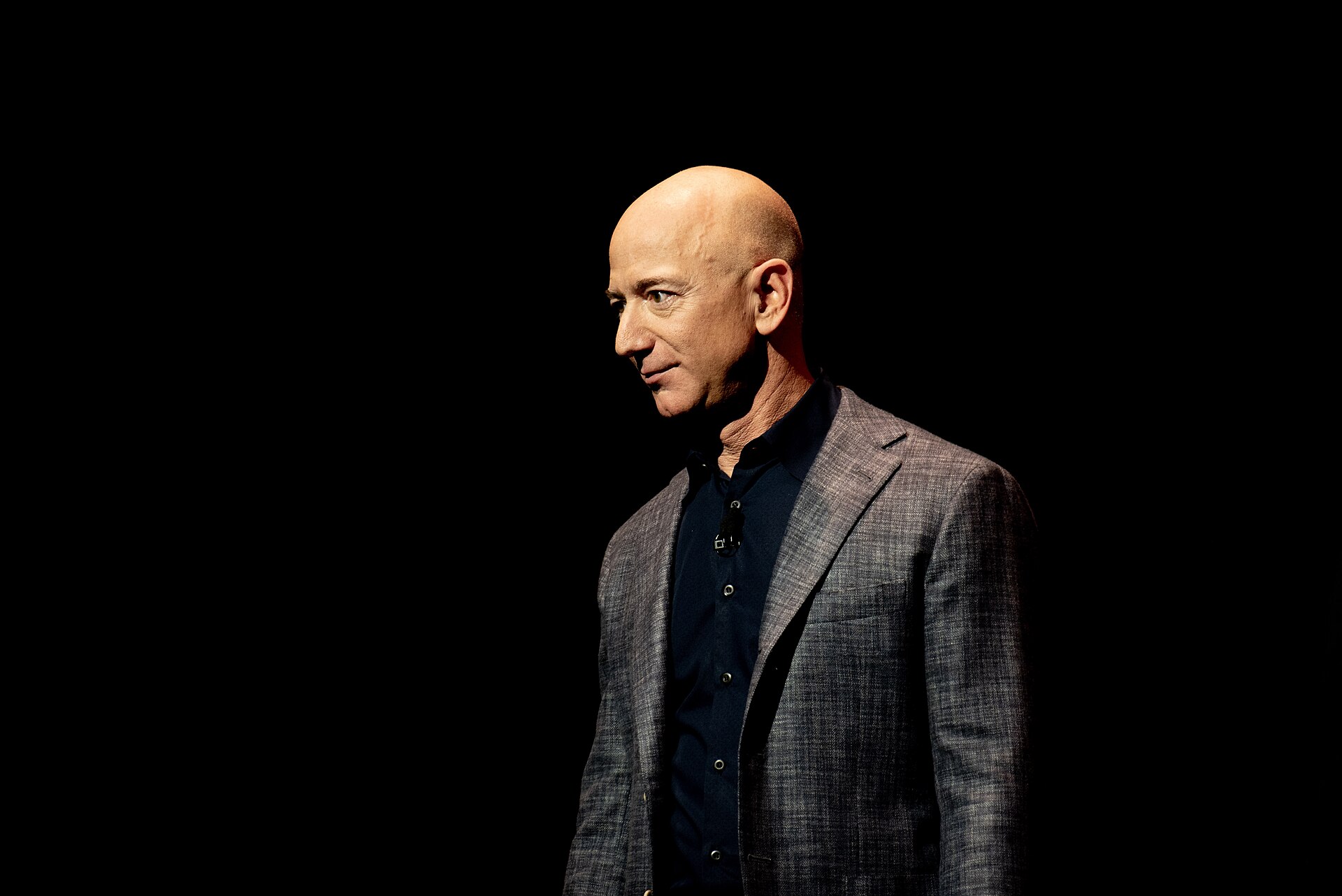
Editor’s note: This article was first published in January 2021. It speaks of Bezos running Amazon, but he stepped down as CEO in July 2021 (succeeded by Andy Jassy) and became executive chairman. Figures such as a trillion-dollar empire and a million employees are from January 2021.
Jeff Bezos’s advice can sound a little unconventional. His vision and philosophy of life and business leave no one indifferent. In Invent & Wander: The Collected Writings of Jeff Bezos, the new book by Walter Isaacson and Bezos, we can find valuable lessons for both life and business from one of the most brilliant minds in business history.
Part of this business magnate’s secret is undoubtedly having clear goals and making decisions fast: think fast, think well and act immediately. It may sound good on paper, but with Bezos it’s a case of no sooner said than done, in every area of his life.
Remember that Bezos had a business idea (the goal) and didn’t hesitate to leave his very well-paid job and move to Seattle with his wife (the action) to build the small online store that is now the largest e-commerce company in the world.
Think three years ahead: how Jeff Bezos thinks
Bezos has explained it himself: when he presents quarterly results, some investors congratulate him on the quarter, and he thanks them, but what they don’t know is that the quarter was prepared three years earlier. At this very moment, his team is already working on a quarter that will come to light sometime in 2023.
When you run an empire worth more than a trillion dollars, you can’t think short term. In fact, if Bezos had thought short term when his company had fewer than 50 employees, he quite possibly wouldn’t have a million employees around the world today.
See also: How to hire the best employees, according to Google’s head of HR
Having this long-term focus helps companies concentrate on planning and on where to invest their energy, Bezos said at an annual gala in 2017.
If we look at how some companies think, we find that they desperately try to fix problems before the end of the month, or to “fix” the next quarter so it beats the last one. You could say they keep applying temporary patches to temporary problems. They rarely plan a strategy or make a decision with the next two years in mind.
Remember that in its early days Amazon drew up a business plan that didn’t expect any profit for the next five years. It sacrificed not only its short-term profits but its medium-term ones too, in order to build one of the most solid companies on the planet (if not the most solid).
Few but high-quality decisions: the secret of Jeff Bezos
This idea of limiting the number of decisions is spreading among the world’s best-known CEOs. Some have taken it to the extreme, filling their closets with identical clothes so they don’t have to think about what to wear the next day.
We have to understand that our willpower, like our energy, isn’t unlimited. It wears down, so we need to manage it well.
In Bezos’s own words:
“As a senior executive, what do you really get paid to do? You get paid to make a small number of high-quality decisions. […] If I make, like, three good decisions a day, that’s enough, and they should just be as high quality as I can make them.”
See also: How the fake Amazon review business works, and why it’s an epidemic Amazon has to fix
Bezos recalls that when Amazon was a startup in the mid-1990s, he had to make hundreds of decisions a day. He even packed the orders himself and took them to the post office to be shipped.
The company didn’t start to take off until Bezos understood that this was work he had to delegate, so he could devote himself to what he does best: envisioning a goal and planning how to reach it.
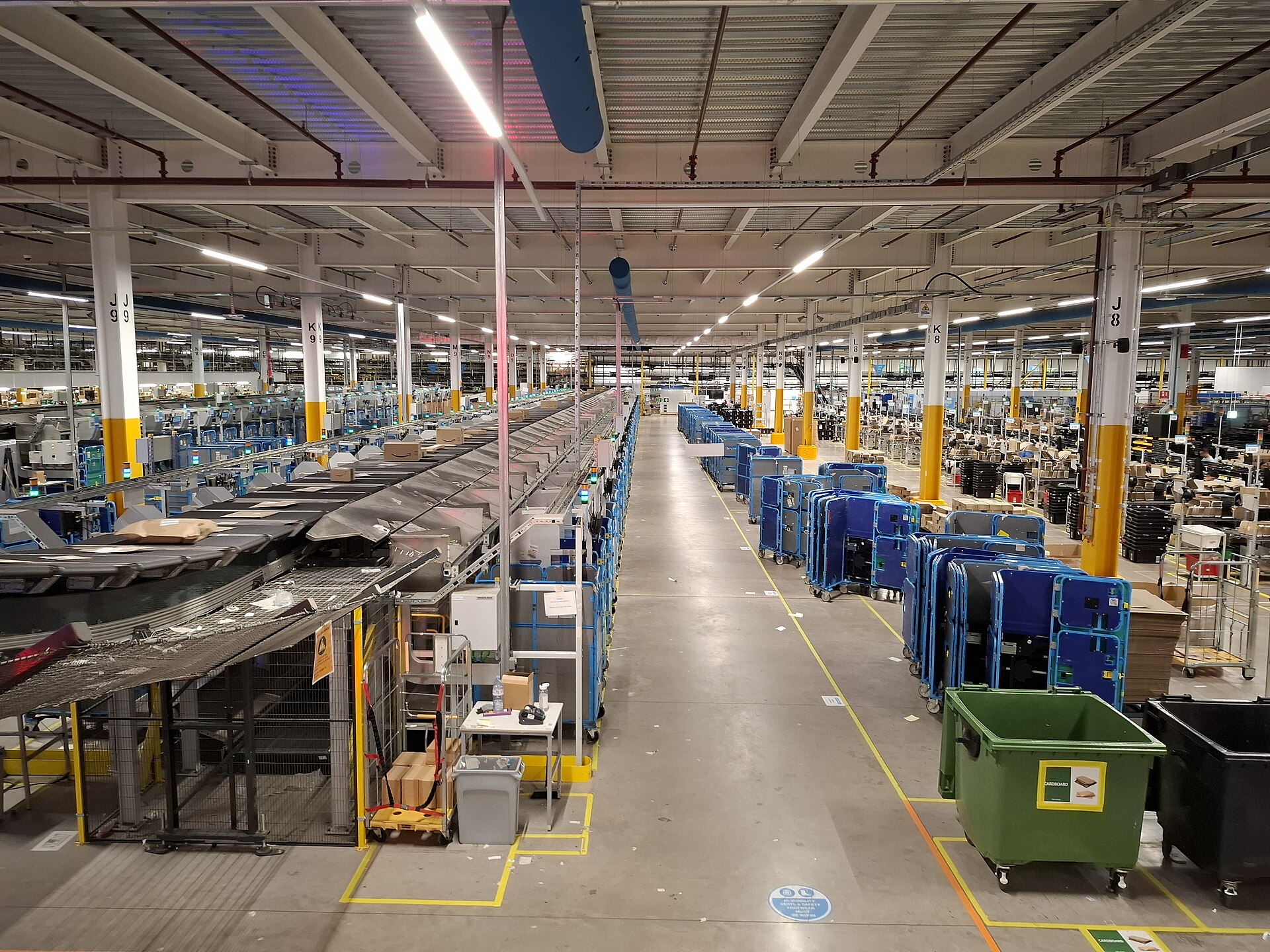
Like Warren Buffett
Bezos follows Warren Buffett’s formula for decision-making. Buffett says he makes only three big decisions a year; in his case, he means major investment decisions involving large movements of capital.
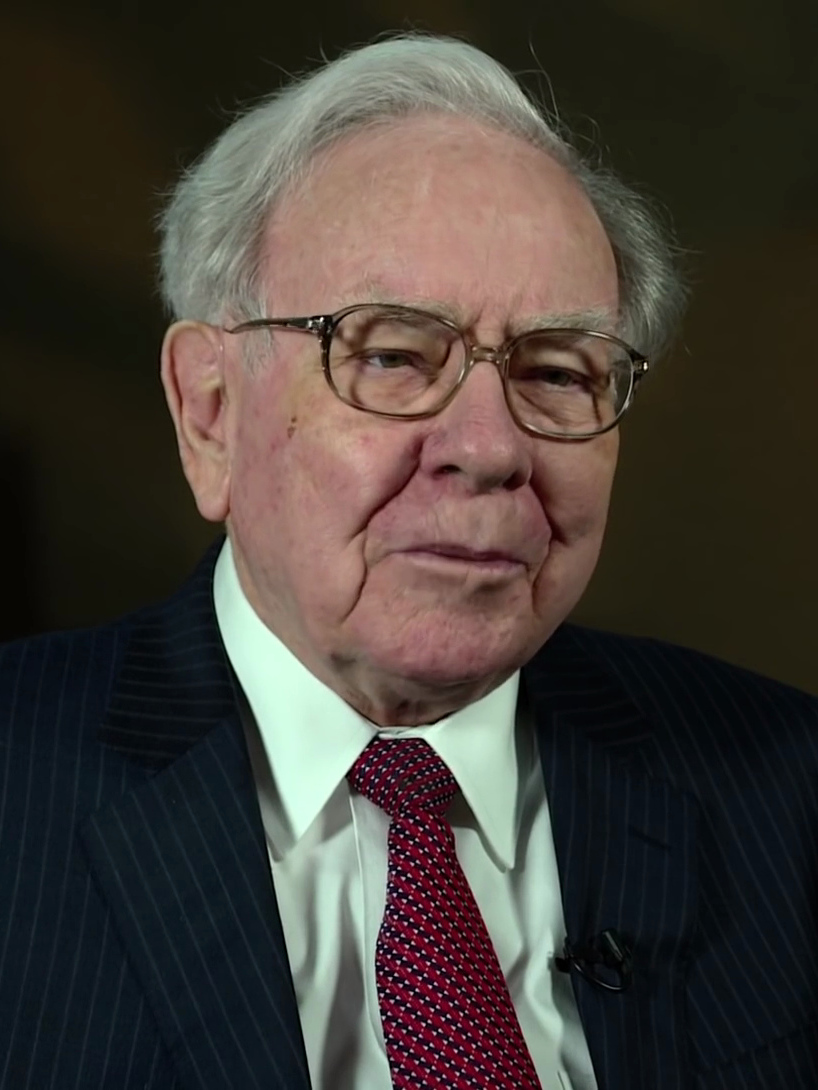
Because he makes only those three decisions, he rarely gets them wrong. At the other extreme are the traders who make dozens of decisions a week and end up losing their shirts.
Bezos, for his part, knows he could sleep less, work harder and make more decisions, but he prefers to sleep eight hours, rest more and make better decisions as a result.
No morning meetings
Jeff Bezos shares Steve Jobs’s view on how useful morning meetings really are. In fact, when a company holds morning meetings every day, they probably have the opposite effect to the one intended.
Bezos knows that first thing in the morning is when our willpower is intact and our energy is at its peak, so it’s no time to waste on meetings. You’re taking time away from your staff and draining their energy.
That’s why Bezos never schedules a meeting first thing in the morning. If anything, he’d schedule it for just before lunch.
Even so, his approach to meetings, like Steve Jobs’s, is “few people, little time and not very often.” For example, Bezos meets with Amazon’s investors for six hours a year.
Featured image: Daniel Oberhaus, CC BY 4.0, via Wikimedia Commons.





