

Do you want to become a self-made millionaire? It turns out your personality could significantly help or hurt your chances.
One of the most robust studies carried out to date has identified several personality traits shared by millionaires and by people who make a lot of money on their own merits. By contrast, these traits were largely absent among millionaires who inherited their fortunes.
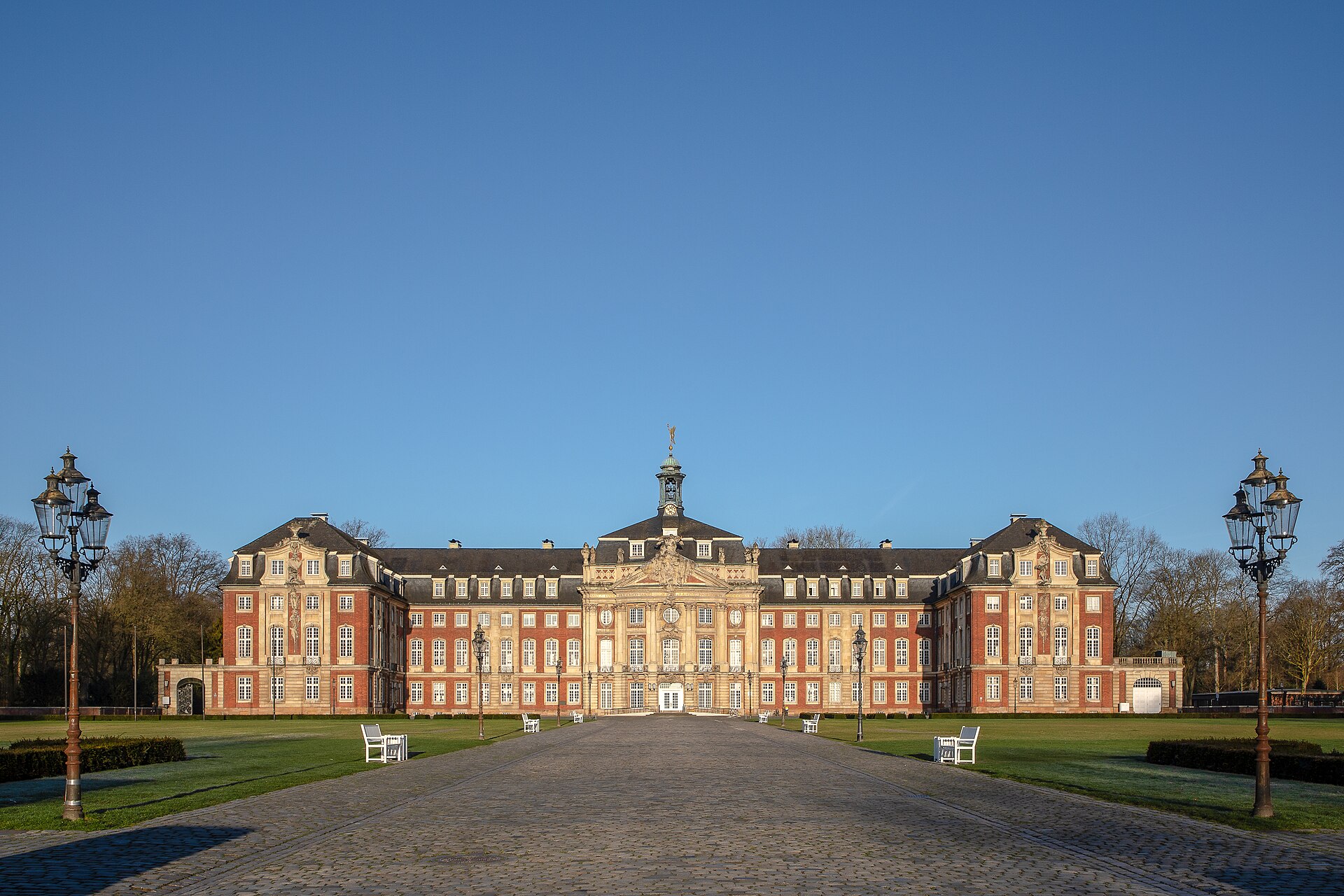
The study, based on the Socio-Economic Panel (SOEP) of the German Institute for Economic Research and carried out with the University of Münster, found that self-made millionaires tend to be more risk-tolerant, emotionally stable, open, extroverted and highly conscientious.
According to Mitja Back, professor of psychology at the University of Münster and a co-author of the study, this is the first study to describe the personality of millionaires using robust data.
In Back’s words:
Since the rich have a particular influence on social decision-making processes, and since personality has a decisive influence on how people think and behave, research into the personality traits of millionaires is of great social relevance.
The researchers studied data from validated personality tests of more than 20,000 individuals sampled in the SOEP, an ongoing household-based study of thousands of people in Germany that began in 1984. Of all the personality tests the researchers looked at, more than 1,000 came from potential millionaires.
The traits of millionaires
The tests measured what the study’s authors called the “Big Five” personality traits: neuroticism, extraversion, openness to experience, agreeableness and conscientiousness.
The researchers confirmed that traits such as risk tolerance, emotional stability and extraversion were especially evident and decisive among self-made millionaires, and much less pronounced among millionaires who had inherited their fortunes.
The greater the wealth, the more pronounced these personality traits were, according to the study.
Even among non-millionaires, people who considered themselves self-made despite not having large fortunes shared many of the same personality traits as millionaires. In other words, we are talking about people who have earned a lot of money on their own, without significant help from others.
The study concludes that it is no coincidence that some people become millionaires, and that personality is a key factor in building wealth.
Throughout, the study defines a millionaire as someone who has accumulated an individual net worth of at least 1 million euros.
More on the personality traits of self-made millionaires
We have spent more than 10 years studying what makes one person more successful than another and able to build more wealth. And what better way to do that than to turn to the stories and biographies of today’s millionaires and read between the lines? As the saying goes, success leaves clues, and it’s a matter of finding them.
From Amancio Ortega (Inditex) to Richard Branson (Virgin), Warren Buffett and Jeff Bezos, each of them shows us a distinctive quality or trait, as we explained in our article on 15 traits found in millionaires.
In that article we concluded that “vision” was possibly the trait that determined Amancio Ortega’s success. Not just vision for fashion, but also for his business model.
In Warren Buffett’s case, we would find one of the least common traits in people: patience. And we mean patience on an extraordinary level. Remember that while most people want to strike it rich quickly, Buffett’s fortune is purely the result of decades of compound interest and large doses of patience.
The study doesn’t include it, but can anyone become a millionaire without being brave? Hardly. No self-made millionaire’s fortune has been achieved without taking risks.
Persistence and tenacity would be qualities (rather than traits) found in practically all millionaires.
See also: How to get rich: the millionaire who tells you not to chase wealth shares his 8 secrets
There is another aspect the study doesn’t mention that is probably decisive in building wealth: passion. Without passion, you will hardly get up in the morning full of energy.
Featured image: Dietmar Rabich, CC BY-SA 4.0, via Wikimedia Commons.



