Editor’s note: This article was first published in October 2010, as news about a radar to be installed in 2011. Whether the DGT actually deployed this system, and with which capabilities, has not been checked.
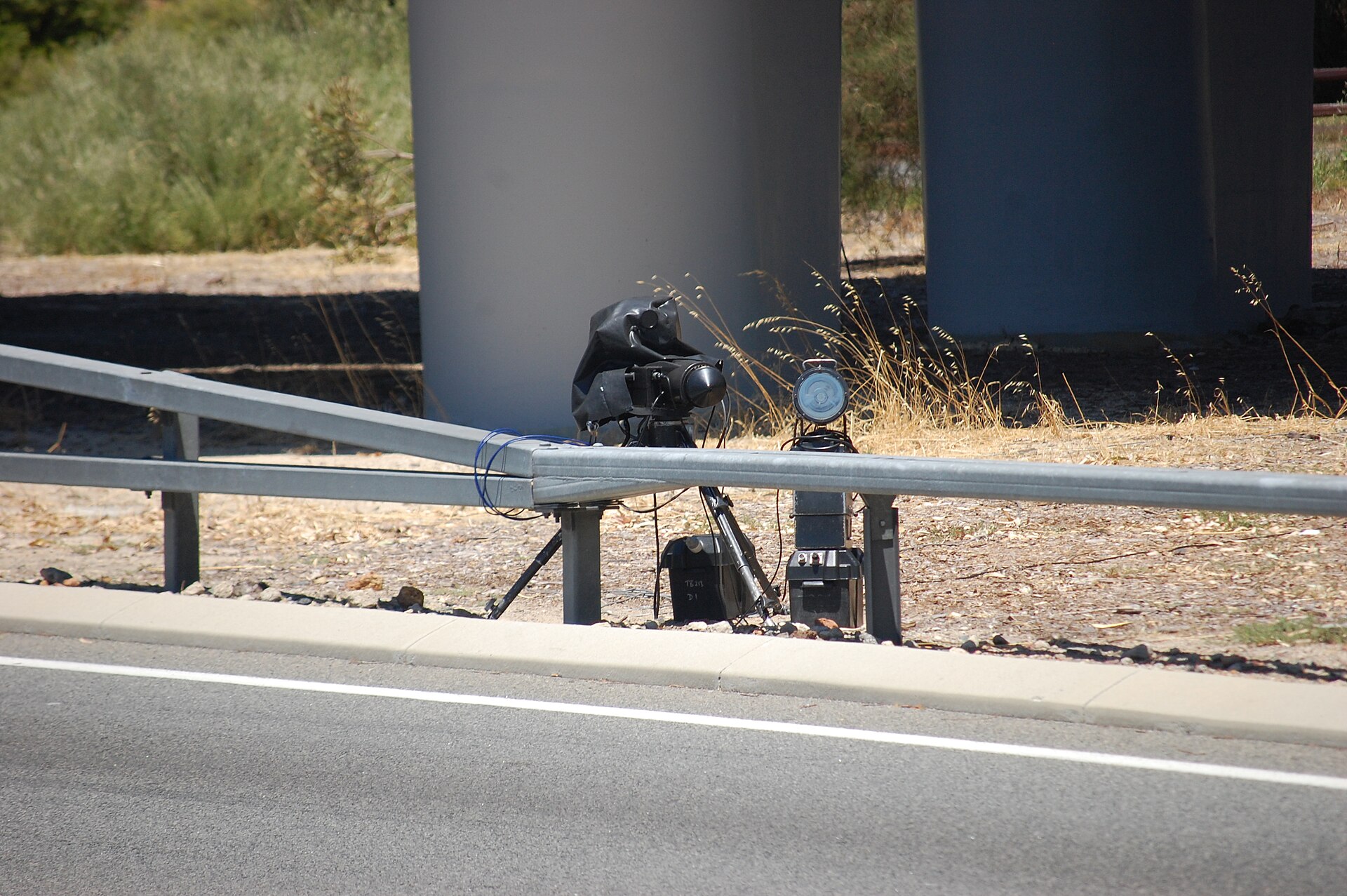
New technologies bring both good and bad, and in 2011 the DGT (Spain’s Directorate-General for Traffic) will install a new radar made by a Swiss company (Multanova).
This radar won’t just measure speeding: it will also be able to detect which drivers fail to keep a safe following distance or cross the solid line. On top of that, it can process data from up to 24 vehicles simultaneously.
The news is bound to be controversial, since the radar will be astonishingly accurate and will be able to fine any vehicle that falls short of the mandatory following distance by a single centimetre.
On the other hand, it won’t be able to process the information if we have to cross the solid line because of an obstacle on the road, so we’ll have to appeal the fine once it reaches our home.
And why catch offenders one at a time when you can catch them all at once? The new radar will be able to process up to 24 vehicles per second, analysing the information in 0.02 seconds and photographing both the vehicle and its number plate, then zooming in on the driver.
And that’s not all: it will also catch anyone who runs a red light or a steady amber. It will also know where the stop signs are, so if the radar doesn’t detect a stop along the vehicle’s path, it will issue the fine.
Obviously, all this is being done for road safety, and nobody ever thought of raising revenue through this measure. After all, as you all know, going from 50 km/h to 51, or cutting your following distance by 3 cm, is a serious danger to traffic.
Further reading
Featured image: DBZ2313, CC BY 3.0, via Wikimedia Commons.