Editor’s note: This article was first published in November 2010, during the Spanish housing crash. Its forecast that repossessions would keep rising through 2010–2011 refers to that moment. Of the banks named, Banesto was absorbed by Santander in 2013 and La Caixa now operates its banking business as CaixaBank.
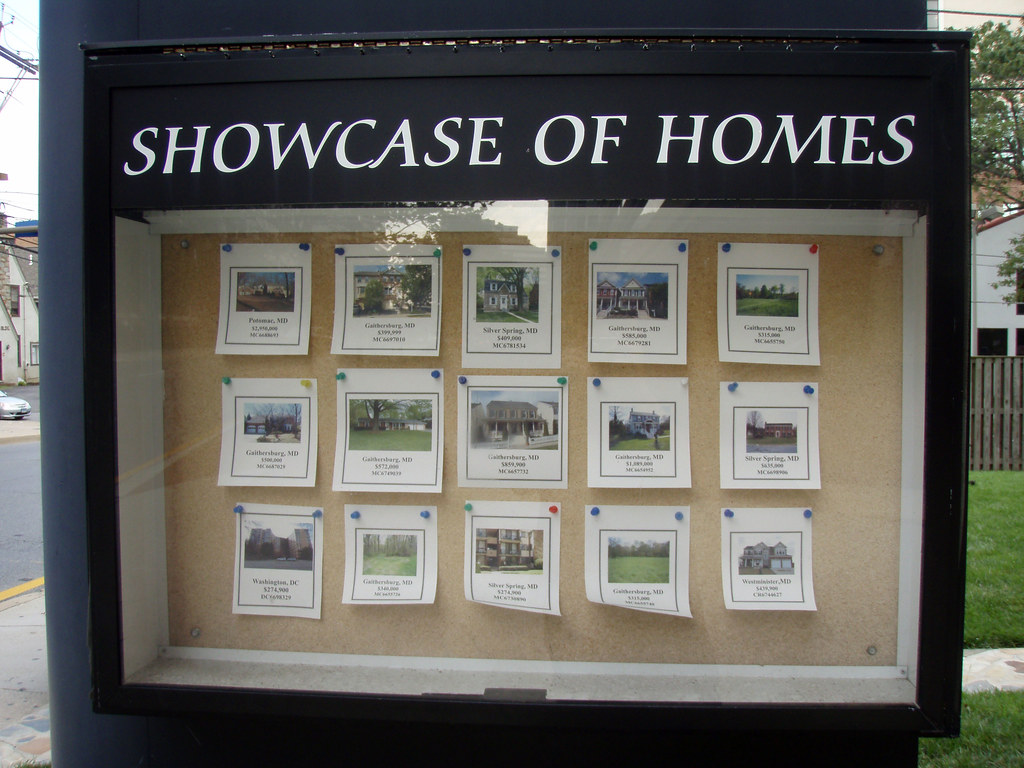
The real estate agency business has been struggling since the crisis began. Even so, a small agency could stay afloat on its few sales, taking advantage of falling prices and turning to rentals. It was already one of the sectors hit hardest by the crisis, and now it faces a tough new competitor, one that, as we predicted in a previous article, would become the biggest real estate agency on the planet. We’re talking about the banking sector.
Repossessions have started to climb at a surprising rate. More and more often, the bank takes back the property it granted a mortgage on a few years ago once the borrower stops paying. The borrower is left with a debt for life, while the bank gets the chance to sell the property again.
Right now the bank is playing with a big advantage. Although it has turned off the tap on loans and mortgages, it will give priority to mortgages on its own properties, at a price that makes renting pointless for a family. That will force anyone who bought a property as an investment to rent out to lower the rent.
Developers, for their part, will see their sales drop: buyers won’t get a mortgage for a housing development built by someone else, but they will be offered one to buy a property owned by the bank.
I work with La Caixa and Banesto, and I’ve seen that today you can buy a flat with a mortgage of €120 a month and a single-family house for €230 a month. Under those conditions, few can compete.
The point of this article is simply that the banks will wreak havoc on the housing sector and, once again, they will profit from the hardship of the current financial situation. This is only the beginning: repossessions will keep rising throughout 2010 and 2011.
Featured image: Daquella manera, CC BY 2.0, via Flickr.