

Editor’s note: This article was first published in December 2010. Its statement that futures are listed on every Ibex 35 stock and some continuous-market stocks reflects the Spanish derivatives market (MEFF) at that time; the list of single-stock futures has changed since.
When we looked at the types of financial markets, we put futures in fifth place, in the risk zone, albeit with higher potential returns. Investing in futures is a high-risk investment, and because futures are derivatives, it requires knowledge of practically every kind of investment product.
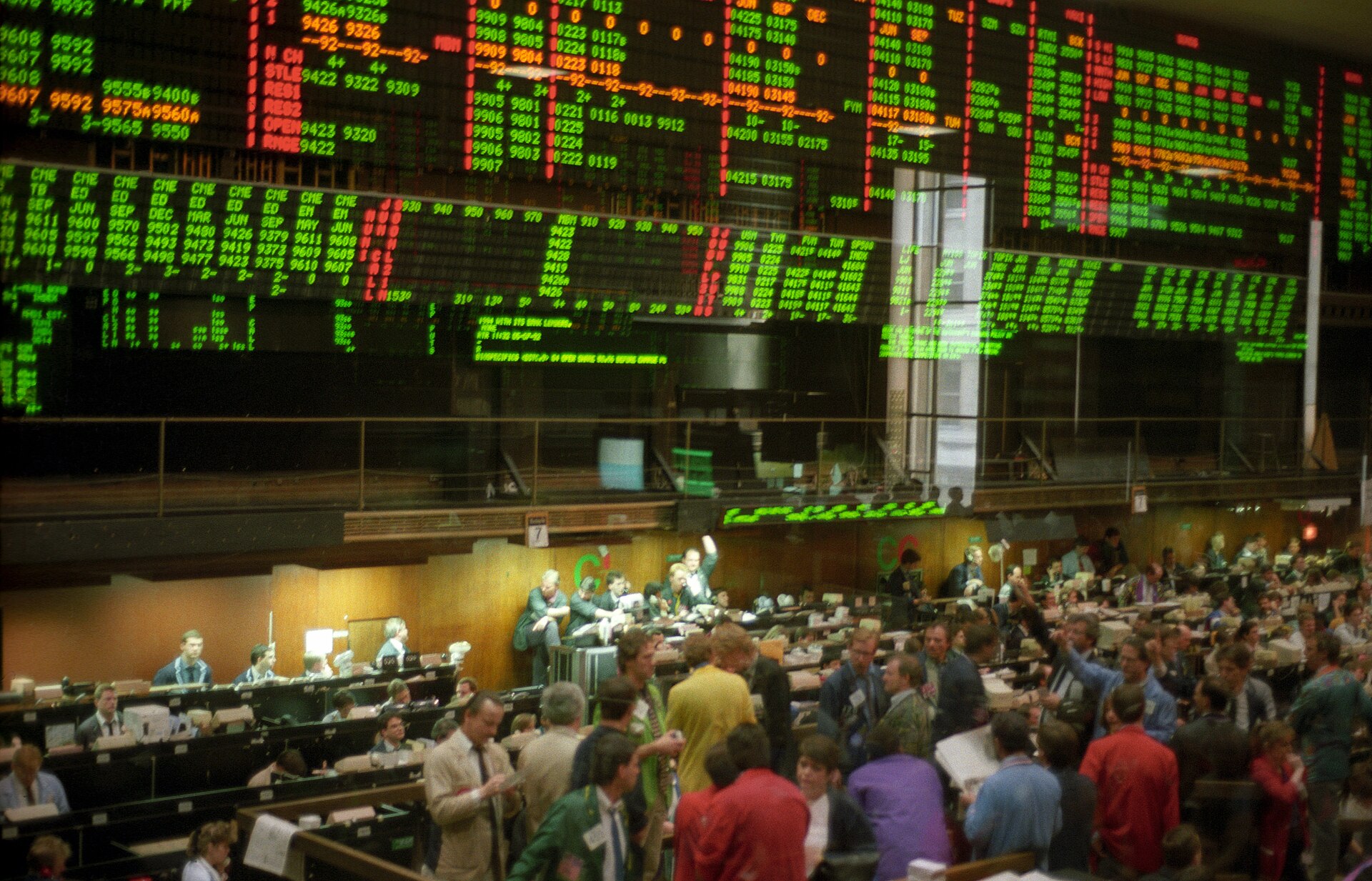
Futures are forward contracts whose underlying is securities, loans, deposits, indices or other financial instruments, with a standardised nominal amount, underlying and expiry date, and which are traded on an organised market whose governing company registers and settles them.
The operating features that define and identify futures are:
- They are traded on organised markets, so they can be bought and sold at any time during the trading session without waiting for the expiry date.
- Both buyers and sellers of futures must post collateral with the market to guard against risk.
Futures can be of several kinds:
- Currency futures.
- Interest rate futures: here the underlying of the contract is a real or notional interest-bearing financial asset.
- Stock index futures.
- Single-stock futures.
Futures are currently listed on every Ibex 35 stock and on some stocks of the continuous market (the Spanish electronic stock market).
That is what futures are. As we said, this is not an investment for beginners: even a high percentage of “expert” investors lose money with it.
Further reading
- Types of financial markets
- Investing in ETFs: a definition
- How you can go broke investing in the stock market
- Why the stock market is the most profitable investment
Featured image: Lars Plougmann from United States, CC BY-SA 2.0, via Wikimedia Commons.



