

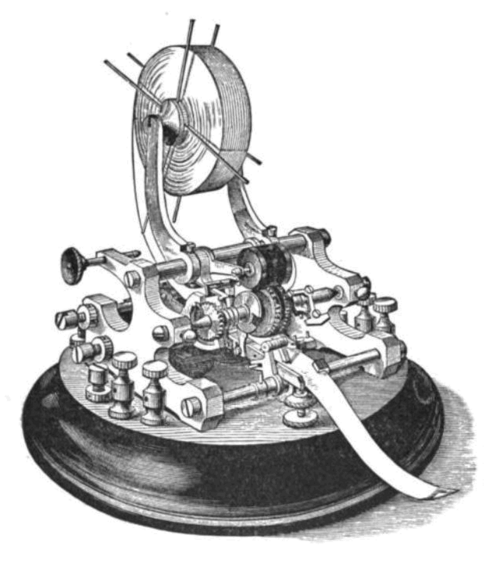
In 1898 a book called The Game in Wall Street appeared. It was written by someone named Hoyle, of whom nothing more was ever known, although he was later identified as William E. Forrest Hoyle, with no further information available.
The book inspired the great traders of the early 20th century, such as Jesse Livermore, Wyckoff and Neill, among others. In fact, the fictionalised biography of Jesse Livermore, Reminiscences of a Stock Operator, mentions passages from this enigmatic book. Even though more than 100 years have passed, its advice and its view of the markets still hold true, because, as the author rightly says, the stock market game will never change, since at bottom markets are simply a reflection of human nature.
Today we can thank Buenaventura Baiget García-Cuervo for taking the trouble to translate the book into Spanish so that Spanish readers can enjoy it too.
Hoyle’s first piece of advice for the general public is to stay away from the markets. Hoyle explains perfectly how, as early as 1898, the stock market was manipulated at will by a few to make money at the expense of small investors. These manipulations are actually legal, but we should know about them. Among other things, they include accumulation and distribution, where Hoyle explains how strong hands and smart money accumulate shares, and then distribute them among the rest of the investors.
It’s another way of explaining why small investors always get into the market just in time to see a fall begin, and sell just in time to see a rise begin.
Hoyle also knew, though, that despite his warnings, people would ignore his advice. So, since he wasn’t going to stop the public from getting into the market, they should at least know what was going on behind the scenes so they could use it to their advantage.
And the truth is that it’s surprising to see how completely his explanations still apply today, because that is really what happens.
Although the stock market is a way of taking part in a company (we’re buying a piece of the company), the truth is that only 5% of people go in with that investment mindset, which happens to be the investment mindset used by the greats, such as Graham or Buffett.
The rest are speculators. Clearly, if you invest according to value investing, market fluctuations shouldn’t worry you, and you’ll probably make money in the stock market.
But Hoyle makes something very clear that we should all know: if you use the stock market as a way to make quick money with magic methods (using it like a casino), you’re going to get fleeced, because you’re going head to head with those who move the market at will.
Nobody makes money in a flat market (except for dividend payments to the long-term investor). The market has to go up and it has to go down. In those rises and falls, a few people and fund managers make huge amounts of money (hundreds of millions and billions). Where do those many millions come from? Precisely from the millions of small investors (traders) who believe they can make a living speculating in the markets.
See also: The 10 favourite stocks of the big investors for 2012–2013
For a very small group of investors to make large amounts of money, a very large group of investors must lose small amounts. Or large amounts. It doesn’t really matter.
Something else that still hasn’t changed today is the role of intermediaries (brokers): whether you make money or lose it, they’ll take a commission. So they want you to make lots of trades. And that hasn’t changed either.
Hoyle also explains some smart trading systems, such as the scaling technique (“scalping”). With a few adjustments for today, and choosing certain solid stocks (in case the market turns against you), this technique could still deliver positive returns.
But remember something that has held true from Hoyle’s day to ours: the day small traders made money in the stock market, the stock market would stop being a business. So take it for granted that 90% of traders lost money, are losing money and will keep losing money. And as Burton Malkiel said, with their losses, some people will buy themselves yachts.
Featured image: William Maver, Public domain, via Wikimedia Commons.



