Editor’s note: This article was first published in March 2011. It describes the company’s situation at the time, and Isidoro Álvarez is presented as chairman; he died in 2014.
Back in 2009 there was already talk that El Corte Inglés (Spain’s leading department store chain) had lost money on its supermarket chain and on some of its brands. El Corte Inglés’s policy was never to compete on price, but with the crisis and falling consumer spending, together with shoppers hunting for bargains, Isidoro Álvarez, the company’s chairman, had no choice but to join the discount war.
That discount war doesn’t suit El Corte Inglés’s business model, so a year later, instead of selling more at a lower margin, it ended up seeing sales fall again, and with a lower margin.
According to El Corte Inglés’s accounts, the company is going through its worst period. It used to be debt-free, but the situation has changed, and its sales now cover only about 30% of its short-term debt and 14% of its long-term debt.
This means that unless it takes measures that until now have never been necessary, such as expanding into new markets or going public to raise money, we could be hearing some very bad news about El Corte Inglés.
For now, one of the measures it has taken is to stretch out payments to its suppliers. Where it used to pay at 3 months, it is now paying at 6 months, and some suppliers are considering no longer selling to the company, since the crisis obviously affects everyone and very few businesses can afford to wait six months to be paid for goods they have already delivered.
Further reading
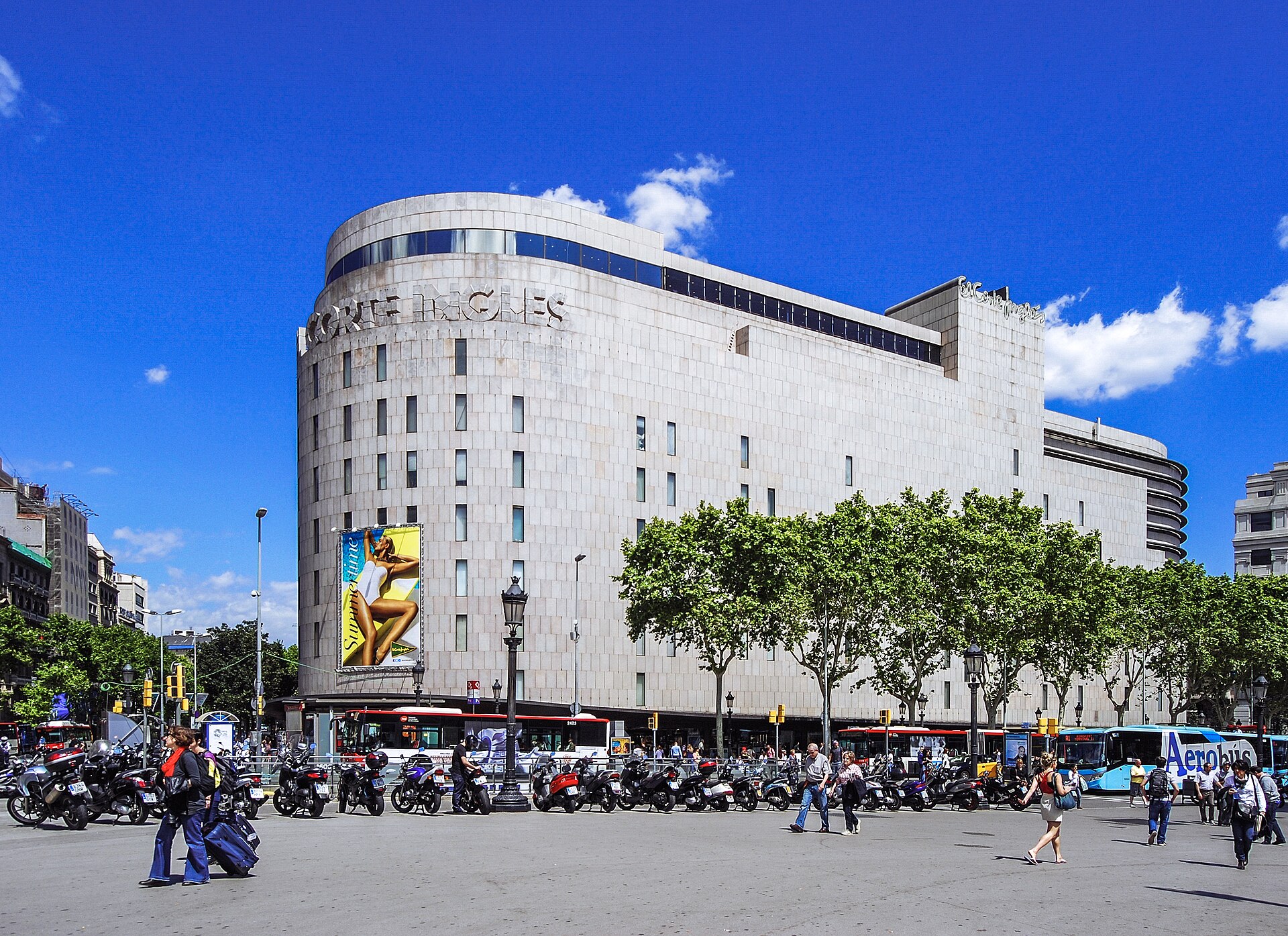
Featured image: Felix König, CC BY 3.0, via Wikimedia Commons.