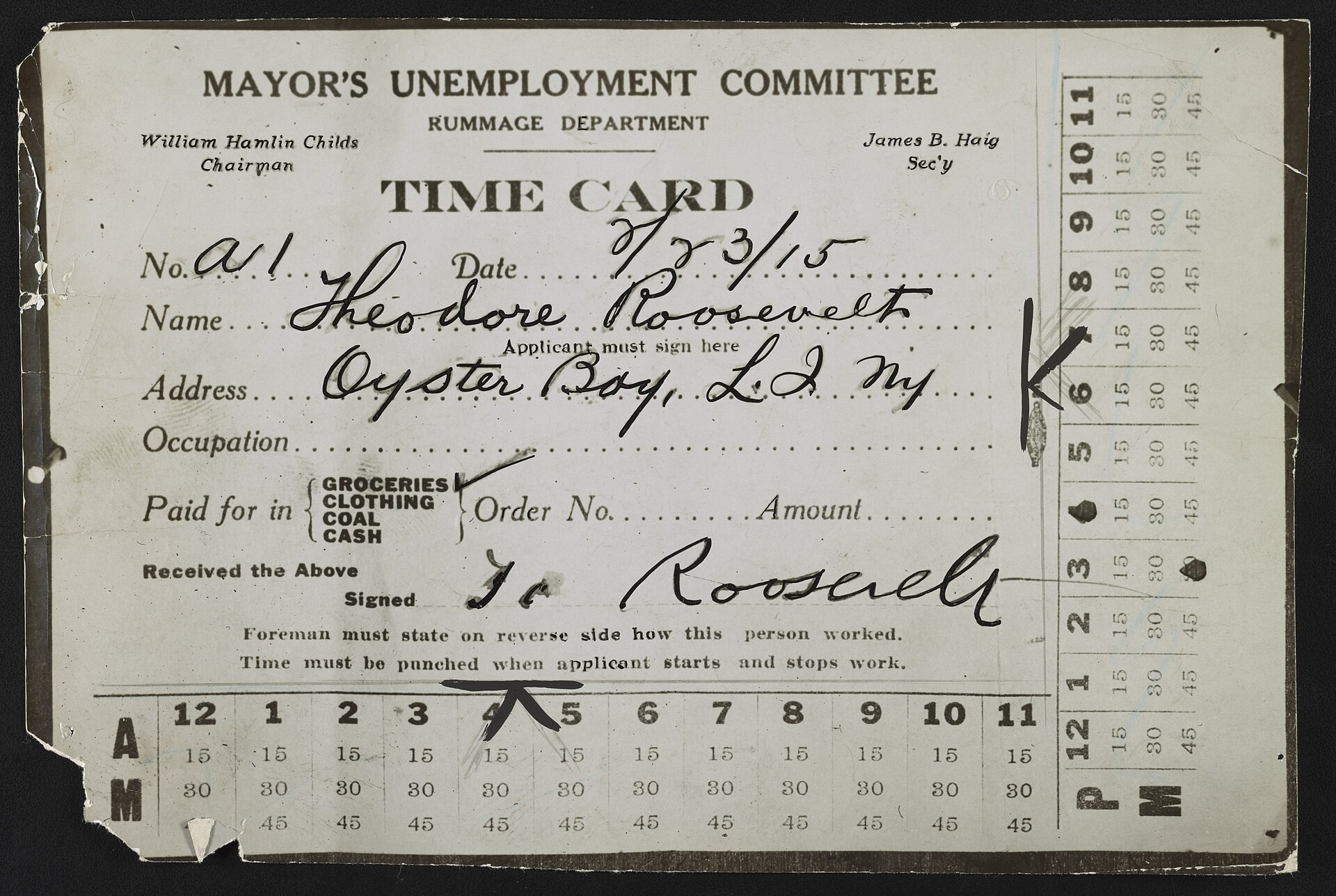
Editor’s note: This article was first published in March 2011, during the economic crisis. The salary figures of 1,500 and 1,000 euros a month and the picture of the job market describe Spain then, and Xing is presented as a leading professional network alongside LinkedIn.
Only a few years ago, if a worker went looking for a job or tried to change jobs and the company offered a salary of around €1,500, it was practically seen as an insult, and companies complained that they couldn’t find qualified professionals. Today, for vacancies offering €1,000, the queue of applicants is enormous.
You could say that anyone engaged in an active job search now faces fierce competition for miserable working conditions. That is, if they’re lucky enough to find any job offers at all, because according to the latest studies, reasonably decent job offers don’t get published on job boards.
According to specialists, companies are currently hiring through referrals from their own employees. They have stopped posting offers on job sites and, wherever possible, are cutting costs in their human resources and recruitment departments.
Social networks devoted to professional contacts, such as Xing and LinkedIn, are making people who are actively looking for work feel they need to have a profile.
The rules of the job-hunting game have changed. Going round hundreds of companies handing in your CV has stopped working, and these days it actually lowers your standing in the market.
They say that writing on your Facebook wall that you’re looking for work won’t help you at all, and asking for retweets on Twitter to spread your job request will help even less. Many people dislike commercial spam, and in a job search it clearly won’t have the desired effect either.
See also: The businesses of the future and the jobs that will be in demand
On the other hand, people still believe it’s much easier to find a job while you’re in work than when you’re out of it. There’s still a feeling that a professional who isn’t working isn’t quite as professional, unless someone inside the company explains that person’s particular situation and manages to “sell them well” to their future employer.
In short, the job market is “screwed”. Finding a job that suits your needs, conditions and professional field has become a lottery, with all the ingredients for the position to end up going to someone with “connections”, who isn’t necessarily better qualified just because they were recommended (people will do or say anything for a friend).
That’s why the advice has always been that if you lose your job, you should never lose touch with former colleagues, with people at competing firms, with clients and now with social networks for professionals.
And once again, we’ll say it here: if you can’t find a job, start your own business.
Featured image: IAEA Imagebank, CC BY 2.0, via Wikimedia Commons.