Editor’s note: This article was first published in July 2013, during Spain’s economic crisis; its references to the current situation, with thousands of applications per vacancy and candidates needing the job to pay their mortgage, reflect that time.
So far we have written dozens of articles aimed at helping candidates get through job interviews successfully. Today it’s time to focus on the interviewers. An interviewer or recruiter’s job is to spot talent in candidates, but let’s be realistic: some interviewers couldn’t find boobs in a strip club.
One of a company’s greatest assets is its workforce, so… why do some interviewers settle for being mediocre recruiters? Recruiting isn’t easy, especially now that companies receive thousands of applications for a single job. What’s more, the CV of the ideal candidate for the post has most likely never been seen, buried among those thousands of applications. Even so, let’s look at some of the qualities good interviewers should have.
1. They understand the company’s real needs
Sometimes the biggest obstacle a recruiter faces is the company itself, because of the solid lines the company draws for the human resources department. A good recruiter knows that they are not hiring a position on the company’s organisation chart, but a result for the company. The interviewer needs to be very clear about what they are really looking for to meet the most critical need of the business or of the post in question. If we are looking for a salesperson, perhaps we don’t need to ask for the skills of a sales director, but rather the skills and qualities of a successful salesperson.
2. They make sure the candidate can come prepared. Spare them surprises
Although in recent years it has become very fashionable to lead candidates into a grey area to catch them off guard, I think it has been more than proven that surprises and mind games don’t work in job interviews. If you are going to hold a group job interview, let the candidate know that the interview will be a group one.
If you’re planning a phone interview, give them a time and don’t call out of the blue. No candidate is going to tell you they can’t talk, even if they’re in the middle of a shower, sitting on the toilet or playing with their children in a park. If you wanted to catch them off guard, congratulations: you may notice that the candidate is nervous, but you’ll never know why. Maybe their toddler is trying to put a hand in the hot oven.
3. They research the candidates
We always advise candidates to study the company and get to know it before going to a job interview. Whenever possible, the interviewer should know as much about the candidate as the candidate knows about the company. This can be done by reading between the lines of the CV, looking the candidate up on social media or asking key questions in the interview. And by key questions we don’t mean asking “how many golf balls fit in a plane”. The key to being a good interviewer is learning as much as possible about the candidate in the shortest possible time, ideally before hiring them. (Read: How to spot a bad employee before you hire them)
4. They make the interview a conversation, not an interrogation
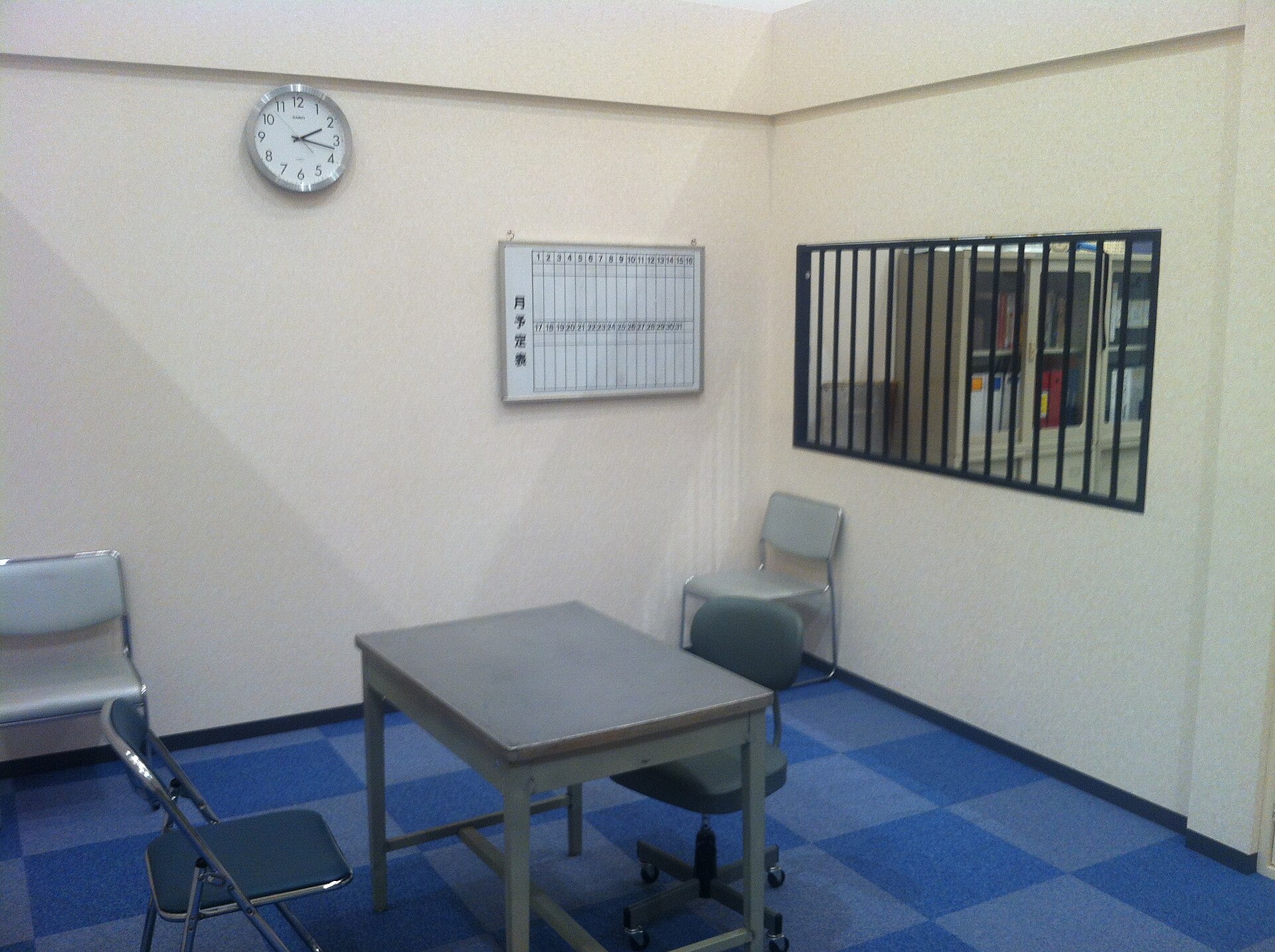
Without a doubt, the best job interviews take the form of a conversation, and perhaps of a negotiation. If you are one of those interviewers who confuse being professional with looking stern, and whose interviews feel like a police interrogation, you’ll never find out anything about the candidate, because they will never show themselves as they really are.
A job interview isn’t an exam; it’s a meeting to talk about certain needs the company has, where the candidate tells us whether they believe they could meet those needs successfully.
5. They are in touch with reality
Probably one of the reasons the wrong candidates get hired is all the bullshit interviewers get hung up on without really being in touch with reality.
The fact that a person feels somewhat intimidated by a job interview, to the point of seeming very nervous, doesn’t mean they can’t do the job perfectly well. An interviewer these days needs to know that some candidates have everything riding on it. That job interview is their great hope of being able to pay next month’s mortgage. Are you tired, as a recruiter, of interviewing thousands of candidates? The person sitting in front of you is probably far more tired of going to interviews and sending out CVs.
Besides, if the candidate seems nervous, couldn’t that also be the interviewer’s fault for not managing to create an atmosphere of trust? It’s very easy to relax a nervous candidate. Take two minutes to talk about something more light-hearted. I’ve always thought that measuring someone’s nerves in a job interview is like taking their pulse while they run the 1,000 metres.
You shouldn’t look for the same things in a candidate for a management or sales post as in one for an administrative or operator job. For the first two, a shy person probably wouldn’t be suitable, but for the others, being shy shouldn’t be a reason to rule someone out, since they may be excellent at their job.
6. They ask open questions and follow-up questions
Many interviewers ask questions that are too closed, with one-word answers, so the candidate answers and feels it would be out of place to say more than necessary, thinking they might come across as tiresome. Meanwhile, the interviewer concludes that this person isn’t very articulate.
Make sure you ask questions that give candidates the chance to tell you who they are and what they have achieved. Have you ever felt you failed at work? Why was that? How did you solve it? What did you learn from that time? And so on.
7. They don’t hire the least bad option
Sometimes a recruiter doesn’t hire the candidate they were really looking for, but whoever measured up best among the people they interviewed. In other words, the least bad of the bunch. Don’t settle for a mediocre candidate. If they aren’t what you are really looking for, run another selection process, specifying some other requirements you overlooked in the first round. If you’re looking for excellence in a candidate, hire excellence, although I’ll warn you that the perfect candidate doesn’t exist; it’s like marriage. Nobody is perfect, but success lies in accepting the other person’s faults and virtues.
An older person once told me: “Be careful with people who don’t seem to have any vices; it’s just that their vices are the kind you can’t own up to.” The same goes for faults.
8. They always follow through with the candidate, whatever the outcome
“Thanks for coming. We’re going to keep interviewing. We’ll call you to let you know.” And very often, that call never comes. Interviewers should call candidates to tell them they’ve been selected, and also to tell them they haven’t, even if it’s by email.
I insist that in the current situation, many people are clutching at straws and want to believe there is some hope that the call will come. For the candidate’s sake, and out of basic courtesy, give them the bad news as soon as possible.
Further reading
- HR directors share the reasons they reject candidates
- Google admits its job interview model was a waste of time
Featured image: nesnad, CC BY 3.0, via Wikimedia Commons.