

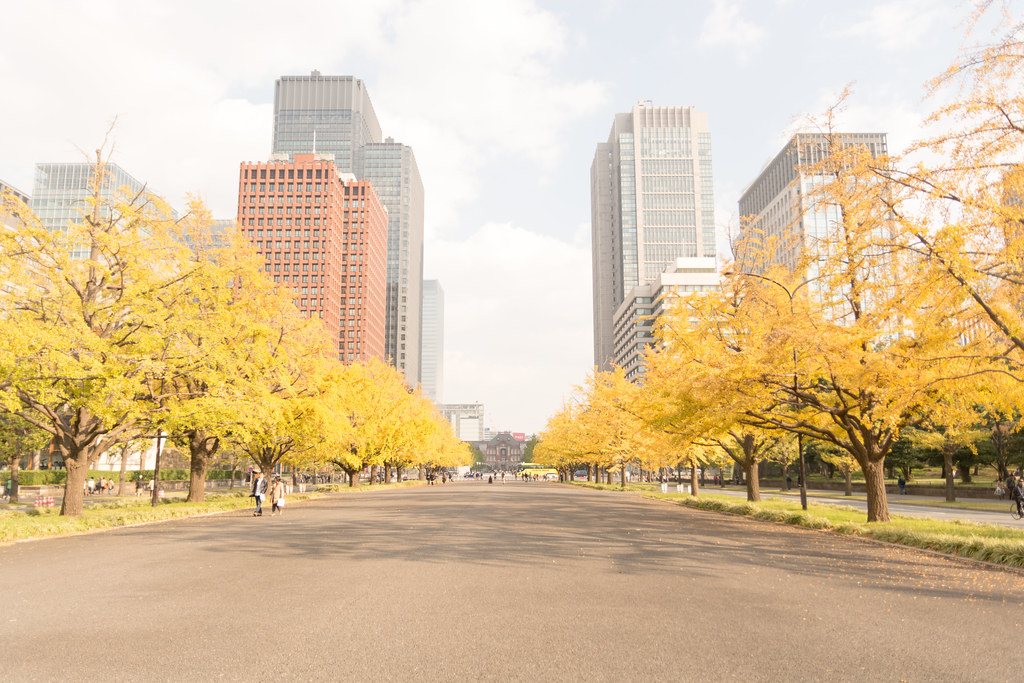
Editor’s note: This article was first published in May 2014; its descriptions of Japanese business etiquette reflect Lewis’s book and the situation at that date.
In the art of negotiation there is a general protocol to follow, and there are countless techniques for coming out of a negotiation well. Part of success in a negotiation lies in knowing the other side perfectly, and in the case of the Japanese, their culture means we have to break many clichés about negotiation. I would go as far as to say that even expert negotiators have to forget everything they have learned so far when they want to do business with the Japanese.
To help us, we have the advice of Richard Lewis, author of “When Cultures Collide“. Lewis has devoted much of his life to studying everything to do with business according to the culture of each country. In fact, he put together a remarkable summary of 24 business leadership styles by country. Lewis spent many years in Japan, so he studied in depth the secrets of negotiating with the Japanese and how that cultural mindset affects foreign businesspeople who want to reach agreements with them.
To begin with, if body language matters in a negotiation, when it comes to negotiating with the Japanese there should be no body language at all. We must not show emotions through our gestures. You never break the ice with a joke. In fact, the slightest joke can send the whole negotiation to hell, because it looks like a lack of seriousness.
A simple glance at a female employee in their offices can be considered disrespectful and get you thrown out of the building on the spot.
But to understand better why negotiating with the Japanese is so different, we have to look at their ancestral culture, which is still very much present in Japanese companies today, whatever their size.
While Western negotiators represent people who run companies which in turn belong to someone else, the Japanese represent their company, which at the same time represents a group, which in turn represents Japan. So you will never close a deal at the first negotiation, or at the second meeting. You probably won’t close one in the following 4 meetings either.
According to Lewis, negotiating with Japanese companies can be exasperating for anyone who isn’t used to it, because you may have to explain exactly the same thing you have already explained to 18 different people.
Every member of the group has to get to know the visitors. At each meeting someone of higher rank will be present, so the negotiation moves up through levels. As long as the meetings keep coming, it is a sign that we are making progress.
You can’t apply pressure in the negotiation
With Japanese companies there is no such thing as hardball negotiation or pressure to reach agreement. You will never get there that way. If you set a deadline for them to decide, you will have lost the negotiation, because they will quietly withdraw and you will never see them again.
Lewis recounts that he was once negotiating the lease of a building in Japan. With great difficulty, they got an appointment with the president of the company that owned the building. He was a 70-year-old man who spent 30 minutes talking about the building’s advantages and reputation. Finally, after telling them the story behind the building, he told them the rent.
The expert negotiator who was with Lewis immediately offered him half. The Japanese man and his interpreter stood up, smiled, bowed in unison and left the room. They never saw them again.
With the Japanese you do negotiate, but Arab-style negotiation, meaning haggling over the price, is considered disrespectful.
The Japanese never say NO in a negotiation
The extreme respect and courtesy of the Japanese are well known, and they go so far that they rarely say NO in a negotiation. Mind you, even if they aren’t interested in the partnership you are offering, they will smile at you, give you a company gift and may even show you around the city.
You won’t know something is wrong until you try to reach your contact at the company and find that they are always out, ill or away on a trip.
Here are some points Lewis considers very important when negotiating with the Japanese.
-
The first person you dealt with at the Japanese company, or who first contacted you, will always be present throughout the negotiation. If at some point this person stops attending the meetings, something is wrong.
-
The Japanese always negotiate in large teams. Each member of the team has a different specialism, and you must never make any of them uncomfortable or show any of them disrespect.
-
There will be a senior person present who will rarely speak. He will be watching you to see how you answer each member of the group’s questions on their own area.
-
However many senior people the group includes, it will have to refer back to head office. So it is impossible to close a deal at the first negotiation, and probably at the second too.
-
Decisions are made by consensus, so don’t waste time trying to win over a single person. Nobody will take a position as an individual. They always do so as a company.
-
The second meeting is always the same as the first, although some questions may go deeper.
-
Japanese negotiators present their company’s position and have no authority to change it, so there is no flexibility in their position.
-
They are extremely cautious and experts in delaying tactics. In other words, they will drag out the negotiation as long as possible so that there are no misunderstandings later.
-
The Japanese don’t hesitate to break off a negotiation if the other side is too forceful or impatient or doesn’t respect protocol.
-
If you show great respect and your demands are reasonable and well founded, they are capable of changing their own terms considerably to bring the negotiation to a successful conclusion.
-
They will show enormous respect towards the negotiators on the other side, and they expect you to do the same with theirs.
-
Sometimes they bring a very high-ranking person to the meeting, so don’t be surprised if a former Japanese government minister turns up who is simply acting as a consultant to the company.
-
The Japanese attitude towards foreigners is always the same: you are an outsider to them, even if you send Bill Gates to negotiate.
Tips for avoiding misunderstandings when you negotiate with the Japanese
Avoid body language: don’t wave your arms around or make sudden movements with your hands. Don’t touch people unnecessarily, and don’t put your arm on a Japanese person’s shoulder to let them through a door first. Always speak in a soft tone of voice.
Don’t discuss with a third party what is said in the negotiation unless you have express permission to do so. Never talk business in the first 15 minutes of a conversation. Never address a Japanese businessman by his first name, and never even think of bringing up the Second World War.
Don’t offer your hand to a Japanese businessman unless he is already making the gesture. To the Japanese, shaking hands is an unhygienic practice. Always present your business card straight away at the first meeting.
Lewis reminds us that Japan has modernised, which is not the same as saying it has Westernised.
And be careful about getting into leadership or motivation topics with the Japanese. Believe me when I say that when it comes to motivation and leadership spirit, they are light years ahead of any Westerner. What they understand by motivation and leadership is something we can’t even dream of, compared with the culture of the land of the samurai.
According to Lewis, the Japanese consider it important to do business with people of a certain age, so a young executive may have more trouble winning the group’s trust.
This article is an extract from the book When Cultures Collide, originally published by Business Insider, adapted and modified.
Further reading
- 9 body language mistakes that could cost you your job
- Common mistakes when speaking in public
- Techniques for telling when someone is lying to you
Featured image: Yoshikazu TAKADA, CC BY 2.0, via Flickr.


