Editor’s note: This article was first published in June 2011 for World IPv6 Day on 8 June 2011; the 0.03% figure and the Chrome and Windows workarounds refer to that day and are now obsolete.
Today is World IPv6 Day, a day on which the main content providers on the web switch on the IPv6 protocol for their services. Some people will have plenty of questions about how this day might affect their computers, and others simply won’t know what we’re talking about, so here is a short, simple explanation.
What happens on this day?
It’s a transition from IPv4 to IPv6. Put simply, when the internet was born and the network was created, every device needed an IP address. Now, with connections growing across all kinds of devices, the number of connections is expected to hit a ceiling because the available device numbers are running out. It’s a lot like the famous “Y2K bug”.
What problems could we have?
Really, nobody needs to worry or notice anything, since anyone using IPv4 (almost everyone) will keep using it. It has been said that 0.03% of users could have problems. The issue would be that their computer wrongly detects that it can connect over IPv6 when it actually can’t, so the user would experience some failed connections.
How do you fix it if you’re one of those users?
If you run into any kind of problem, the recommendation is to use the Google Chrome browser, because Google has made sure that if your computer tries an IPv6 connection and can’t get through, it automatically sends you to IPv4 in under 0.3 seconds, so you wouldn’t notice a thing. Microsoft, for its part, has made some temporary patches available to Windows users to tide them over.
In short, there’s more noise around the event than real impact, but with companies like Google and Facebook taking part, it had to be mentioned.
Anyway, happy World IPv6 Day.
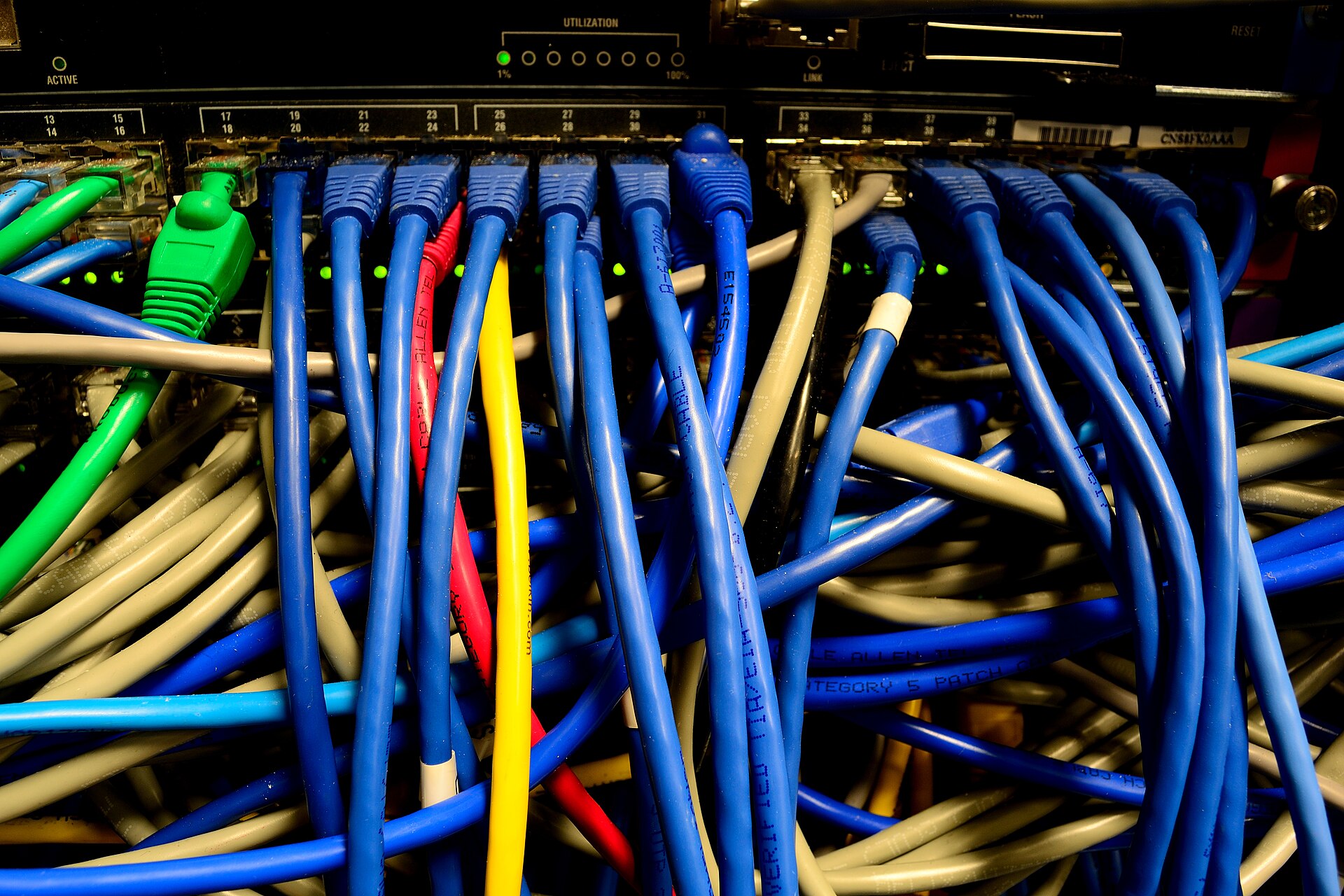
Featured image: Raysonho @ Open Grid Scheduler / Grid Engine, CC0 1.0, via Wikimedia Commons.