Editor’s note: This article was first published in June 2011. All figures it cites are from that month: interest rates above 12%, the 6.8% inflation forecast for the end of 2011, three rate rises that year and 27% credit growth compared with 2010.
Brazil, the big emerging market, is drawing the attention of medium-sized and large investors with interest rates that sometimes exceed 12%, a figure that is worrying in itself, since it reflects the price being paid for debt.
It has all the ingredients needed to suspect that an economic bubble is forming. We know the signs because they are similar to the ones developed countries went through just before becoming economically “underdeveloped”.
Inflation is expected to reach 6.8% by the end of 2011. It has already hit the ceiling targeted by the Central Bank of Brazil. In response, interest rates have been raised three times this year, which is very good for a short-term investor and very bad for the country in the medium to long term, because, among other things, it is attracting purely speculative capital looking for these short-term profitable investments.
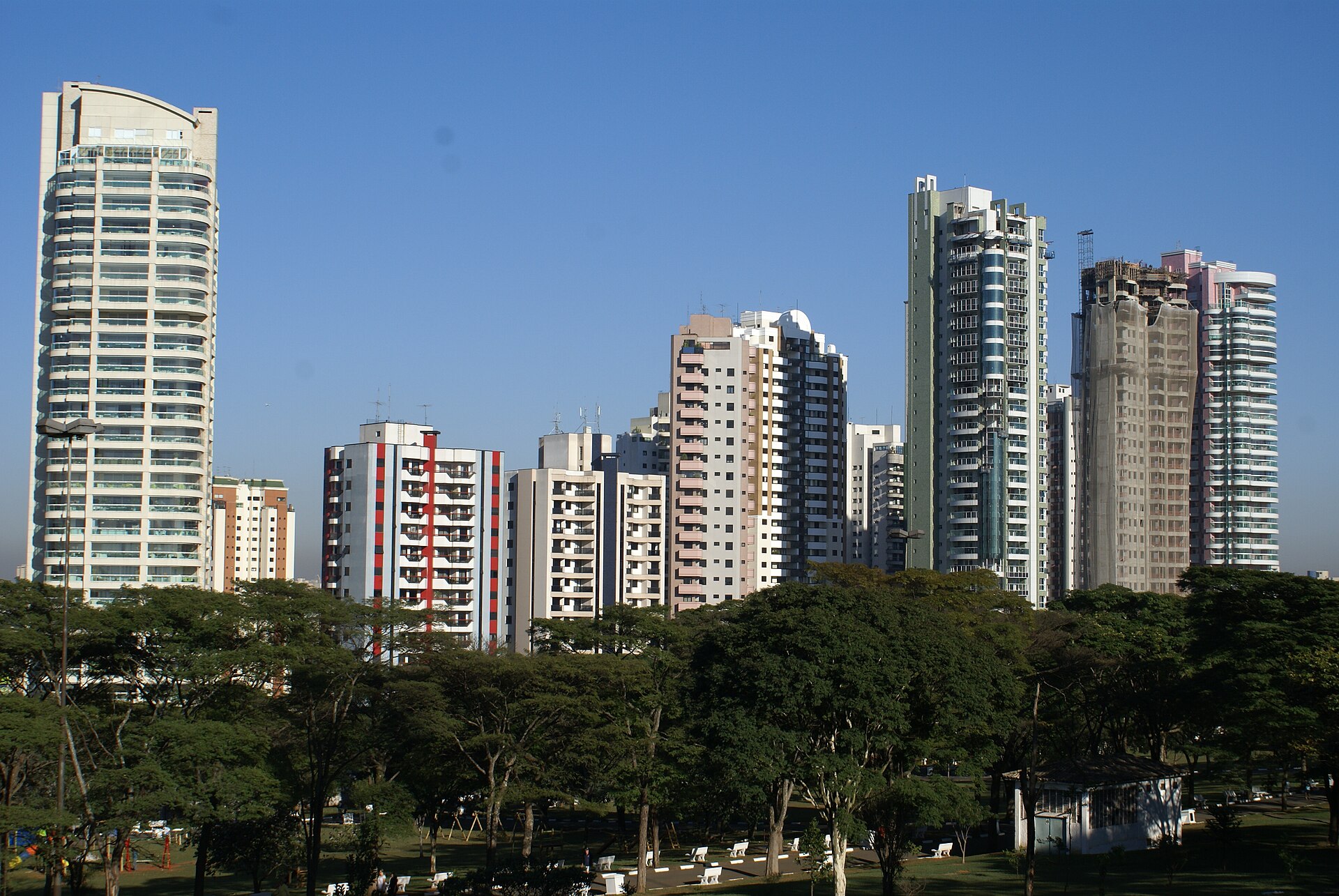
Food and energy prices have soared, not to mention property, which has risen in value just as it did in countries like Spain. The investment advice in Brazil today is to buy property, because house prices always go up and never come down. Sound familiar?
Banks have opened the mortgage credit floodgates while asking for very few guarantees, so anyone can easily get a loan. Credit has grown 27% in 2011 compared with 2010.
These are the signs telling us that Brazil, a country proud of having lifted a large share of its people out of poverty, could easily slide into recession, since it is on exactly the right path for one.
In recent years people said that, after this global crisis, we would be able to recognise a new bubble as it formed, when the reality is that people tend to fall into the same trap again and think that this time will be different.
Featured image: Lukaaz, CC BY 3.0, via Wikimedia Commons.