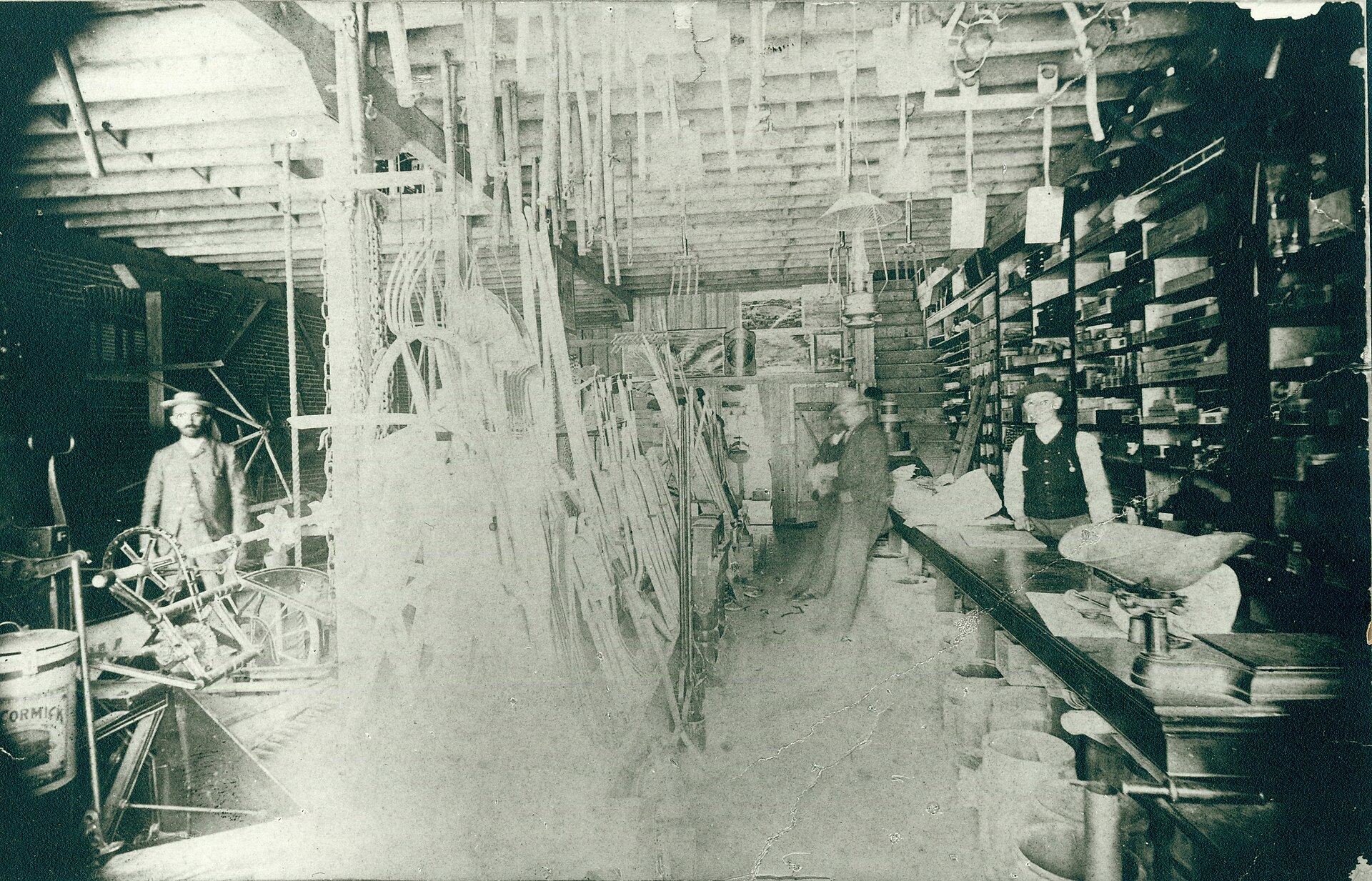
You have probably gone shopping looking for something specific and, on walking into a store, seen exactly the item or product you were looking for. You looked at the price, realized it was beyond your budget and walked out without buying it.
We previously gave some tips and strategies to improve your chances of success in a negotiation, and this time some advice from Tod Marks, a project editor at Consumer Reports magazine, fits the bill perfectly. He stresses the fear or embarrassment people feel about negotiating the price of something, even when they genuinely want to buy it.
According to Marks, this comes from fear of rejection, fear of looking ridiculous, fear of seeming cheap and fear of being told no.
But the truth is that nothing is out of reach when it comes to negotiating a price, and anything is negotiable.
What are the tips for negotiating the price of anything?
You just have to know how to find the weak spot, always with respect and good manners. These are some of Marks’s tips that you might start putting into practice. Remember that money not spent is worth just as much as money earned.
1. Be discreet
Don’t start a negotiation with a salesperson in front of a group of people (other shoppers). The seller knows that if the group is listening and gives you a discount, the rest of the listeners will most likely want the same terms.
2. Be diplomatic
Sweetness opens doors. Marks recommends going in with honey, not vinegar. Salespeople respond much better to an offer from a customer with class than to the typical demanding customer who thinks they are entitled to certain things. If the seller sees you as a pleasant, friendly person, they will be willing to consider your proposal.
3. Give them an incentive to negotiate with you
This is where a good strategy that plays on certain biases comes in. If you are buying a car at a dealership, tell them you will have the repairs done in their workshop, or even that you have a cousin who is thinking of buying the same car. If you are in a family-run hardware store, tell them you like supporting local businesses rather than big-box stores. Anyone will be willing to cooperate if they have a reason to do so.
4. Open questions
When we want something from someone, we should avoid closed questions. It is easy for someone to say a flat “NO” if you ask: “Can you give me 20% off this TV?” But if we start a conversation instead…: “I love this TV. A friend of mine bought the same one right here and it works wonderfully. In fact, I have a stand that’s exactly the right size for it, but the problem is that it’s over my budget, because I have to buy other things. Is there any way I could take it home?”
In this case, the seller’s mind will immediately start working out whether they can give you a discount, and how much they can take off without squeezing their profit margin. What is clear is that we have made it harder for them to give us a plain NO. They will probably ask how much we could spend on it. And this is where some proper haggling could begin.
5. Show what you know
If you are negotiating the price of something related to your profession, or something you consider yourself an expert in, don’t hesitate to let the seller see that you know what you are talking about, and even share opinions with them. The seller knows that a buyer who is an expert in a product is usually a good reference for other buyers, and if you are also polite and friendly, they will be more willing to work with you.
6. Do your homework
As in any other field, doing the proper research will help you succeed in the negotiation. Imagine trying to negotiate the price of a product down below its cost price. It would be a waste of time, and it could even offend the seller. Do your research so you don’t waste your own time or theirs.
7. Use silence to your advantage
This is part of the psychology of selling. Silences are usually very uncomfortable in any conversation, but when it comes to negotiating, silence is a great ally, because the seller might end up saying yes just to break that awkward silence. Of course, you should only use silence as a weapon close to sealing the deal.
(Read: 10 psychological traits in people that you can use to your advantage)
8. An added incentive
Merchants pay certain fees when a purchase is paid for by credit or debit card. It isn’t usually much, but it is one more weapon. Offer the seller the incentive of paying in cash, and they shouldn’t have much of a problem giving you at least the discount that corresponds to not paying by card, since they would have been paying that fee anyway if you had paid by card. And from that first small reduction, you may be able to keep going.
9. Above all, take advantage of the end of the season
Clearly, stores will be much more willing to sell below their usual price at those times of year when they could get stuck with some products if they don’t sell them now.
Further reading
- 14 secrets and truths about selling
- 4 truths about the art of negotiation
- 15 habits of successful salespeople
- A crash course in getting to know people
Featured image: Unknown author, Public domain, via Wikimedia Commons.