Editor’s note: This article was first published in July 2011, around the publication of the investigation it discusses. The prices and cases reflect that time.
Missing tourists, children kidnapped with no ransom demanded, people who walk into a hospital healthy and leave in an oak coffin. Until now there had only been speculation about a myth: that organ trafficking mafias could be behind all this. Though why call it a mafia, when in some cases legitimate companies and the states themselves are the ones taking part in this “red market”?
Scott Carney has finished his piece of investigative journalism, in which he spent six years infiltrating this business so he could tell the world that organ trafficking mafias are no myth: they exist and, in some cases, they have the backing of governments themselves. A new breed of entrepreneurs has grown up around this business, profiting from the misfortunes of poverty to heal a particular circle: the wealthy.
The profitable business of blood farms
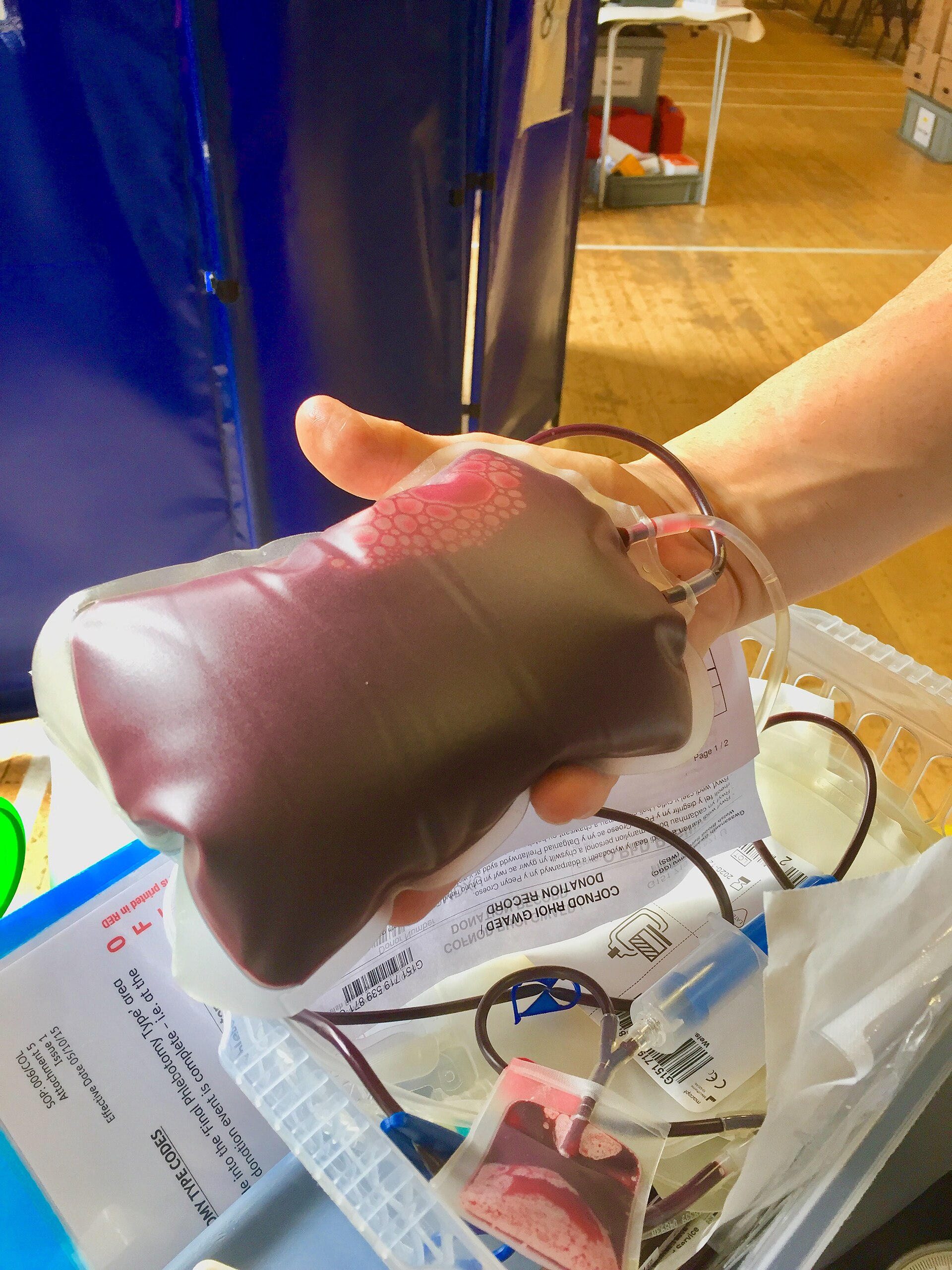
This isn’t the plot of a vampire film: blood has a price. In India, specifically, people are paid $25 for every 473 millilitres of blood. In the United States the price can exceed $300, so companies are now appearing that speculate in blood. They buy large quantities in India to sell in the United States.
The “smartest” entrepreneurs obtain the blood for free, with government support, under “poverty eradication” programmes. These programmes involve picking homeless people up off the streets and housing them on farms, where they are given food and shelter on condition that they donate blood two or three times a week. The business is legal, since the homeless people do it voluntarily.
The best-selling and best-paid products in this business
Kidneys, livers and corneas are the products most in demand from companies in countries with private healthcare, where a cornea transplant costs $24,000, a liver $157,000, and kidneys are on sale at $62,000. How many people would be willing to end someone’s life for $150,000, when in some countries people are killed for $100?
It’s clear that organ trafficking mafias end up getting their product into the health systems of developed countries, where nobody is supposed to ask where the product comes from, or where it arrives through legitimate companies working in the shadows with the mafias themselves.
Scott Carney has found that prisons in some Eastern countries export these products: some prisoners sentenced to death are forced to donate their organs before they are executed.
It isn’t only Eastern countries, however. The most recent case happened in the United States, where a judge was prepared to reduce the sentence of two imprisoned sisters if they agreed to donate their kidneys.
Several cases are now being investigated of people who one day decided to donate a vital organ to a stranger, simply because they felt like it.
Knowing that this business is real, we can ask ourselves a question. If you go into hospital and your blood belongs to a rare group, and in the next room a wealthy person is hovering between life and death and something of yours could save them, wouldn’t your life be in the hands of whatever that person was willing to pay for it? That is the debate opened by Scott Carney‘s investigation, which shows once again that we live in a world dominated by money, even when that money is made at the price of human life.
See also: What the Mafia can teach us about business
Further reading
Featured image: Bibeyjj, CC BY-SA 4.0, via Wikimedia Commons.