

Editor’s note: This article was first published in September 2017, as news from 14 September 2017, and the events described were current then. The article notes that details were still unclear, including whether the closure would be permanent. China later went further and banned all cryptocurrency transactions and mining in 2021.
What started as a rumour from a few sources picked up by the media has now been confirmed. Regulators in China have ordered cryptocurrency exchanges to close, including those trading Bitcoin. This means no Chinese user will be able to buy Bitcoin with yuan or sell it, at least not on Chinese soil.
This is one of the biggest blows cryptocurrencies could suffer, considering that China is one of the largest markets for Bitcoin and other cryptocurrencies.
The authorities have told the operators of the exchange platforms to shut them down, according to China Business News.
Although the Chinese authorities have not given further details, everything suggests the decision comes after a year of monitoring and studying cryptocurrencies in general, and Bitcoin in particular, since the beginning of 2017. China appears to have concluded that cryptocurrencies pose a serious risk to investors because of a real danger of a bubble bursting. It has observed that buyers are not acquiring Bitcoin for its usefulness as a means of payment but purely as a speculative product, one that has given rise to scams and has encouraged money laundering, since it makes it easy to stay anonymous in illicit trade.
However, it is not clear whether the closure will be indefinite or whether the exchanges will be able to reopen after a while, given a supposed problem with licences and lack of oversight. On this point, the information is still quite vague and varies from one media outlet to another.
China is also trying to protect retail investors from the risk of losing money if what looks like a bubble finally bursts, or even, as JP Morgan chief Jamie Dimon put it, a fraud that will end up crashing.
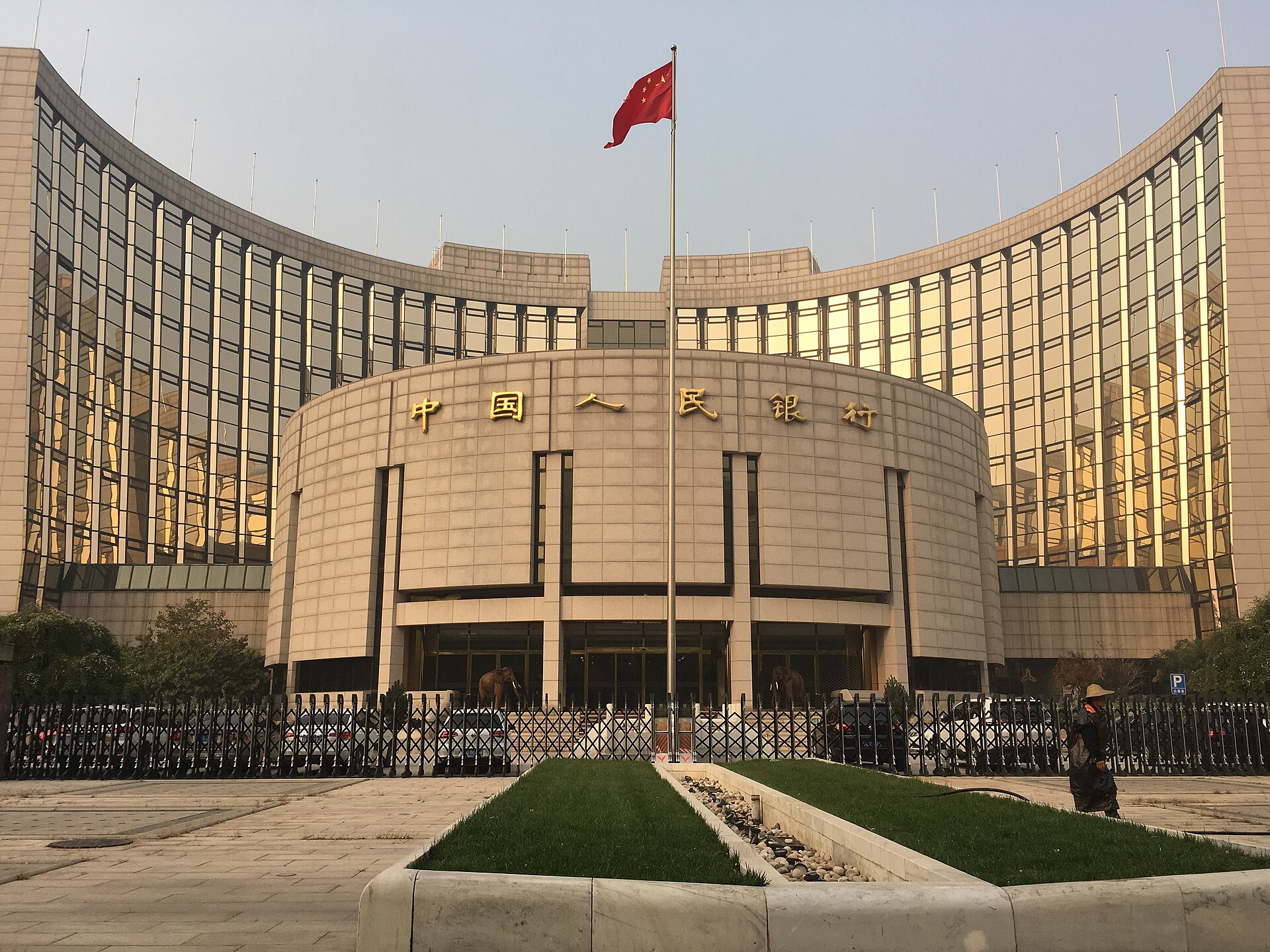
Featured image: Max12Max, CC BY-SA 4.0, via Wikimedia Commons.



