

Editor’s note: This article was first published in October 2015; the $16 billion size it gives for the second-hand clothing industry and the shops’ payout policies it describes reflect that time.
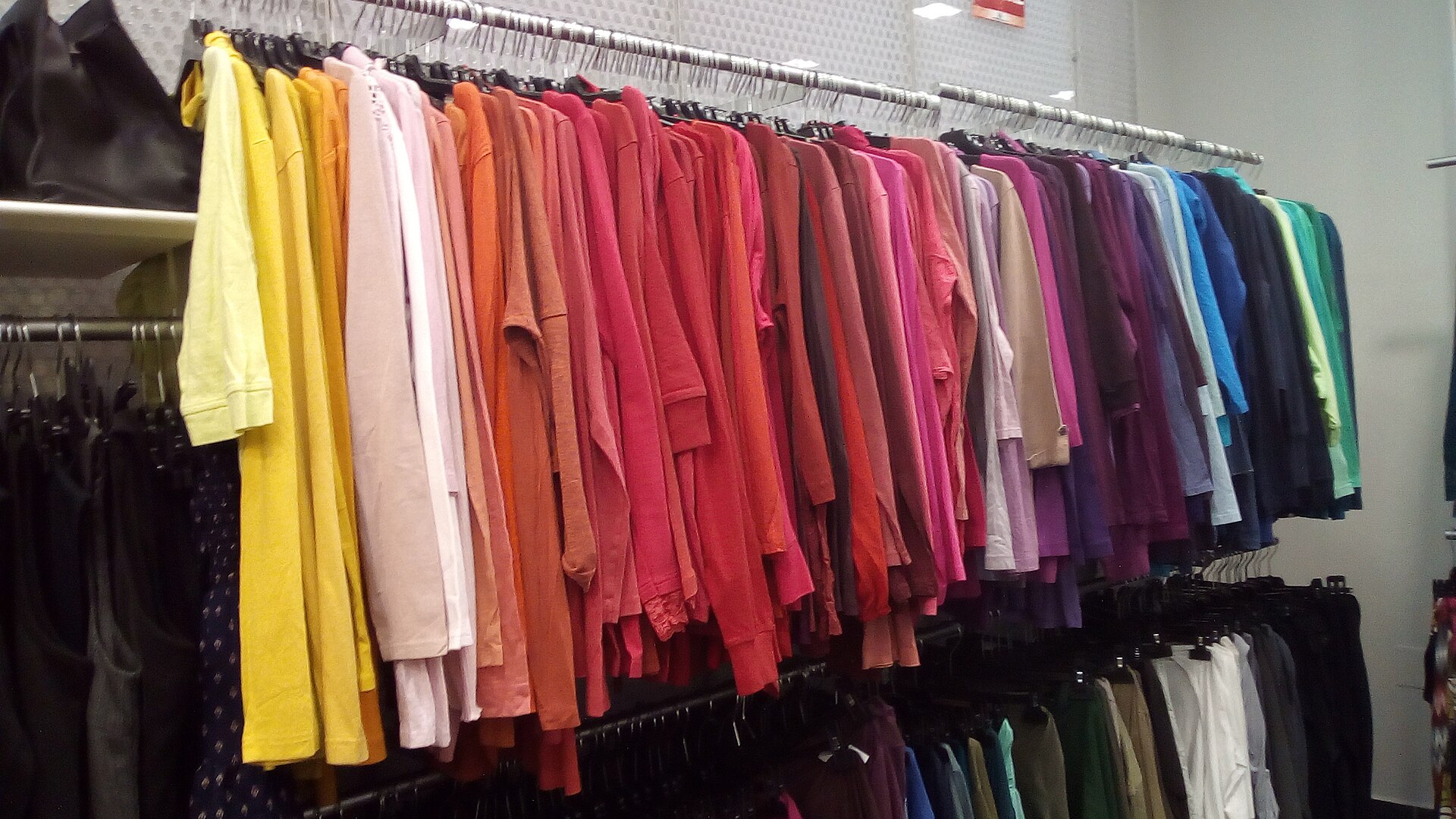
Used clothing is becoming a big industry worth around $16 billion. Just as Cash Converters found a profitable market buying and selling the second-hand goods you no longer need, large chains such as Buffalo Exchange and Crossroads Trading now specialise in second-hand fashion, showing that this niche is growing, with numerous franchises opening across the United States.
How do these businesses work?
Store policies vary, but practically all of them give the person selling their clothes either cash or a voucher to spend in their shops in exchange for their used clothing.
Crossroads Trading pays sellers 35% of the price at which it will sell the item in the store, or they can agree for the seller to receive 50% of the sale price once the item has sold.
Justin Goellner, manager of Buffalo Exchange in Chelsea, says this business model works quite well, especially for designer clothing, because current shopping habits show that people are becoming more frugal. Thanks to these stores, Prada and Gucci clothes and accessories are now available at lower prices, while those who bought them new at least know that once they outgrow them or clear out their wardrobe, they can recover part of what they paid.
On the Crossroads website you can see the system the company uses. It says it buys seasonal clothing (summer clothes in summer, winter clothes in winter) and reminds sellers that its customers are looking for items in excellent condition, so when you decide to sell, make sure every item is clean and ready for its new owner (buttons sewn on, no tears… in other words, in good condition).
This is further proof that businesses built around second-hand goods are still on the rise, and not just for clothing: today there is one for practically every type of product, from technology and household appliances to wedding dresses and baby items…
So on the one hand, we have ways to earn some extra money by selling what we don’t need, and on the other, the chance to study whether it could become your own business.
Featured image: MAKY.OREL, CC BY-SA 4.0, via Wikimedia Commons.



