Editor’s note: This article was first published in August 2011, as news from when Bonn introduced the machines. Its figures (€6 a night, a €100 fine, more than €300,000 expected revenue) and the debate on Spain’s crisis are from that time.
The prostitution business moves hundreds of billions of euros around the world. While some countries try to stamp out the world’s oldest business, others use prostitution as a way to bring in revenue for the public purse through taxes.
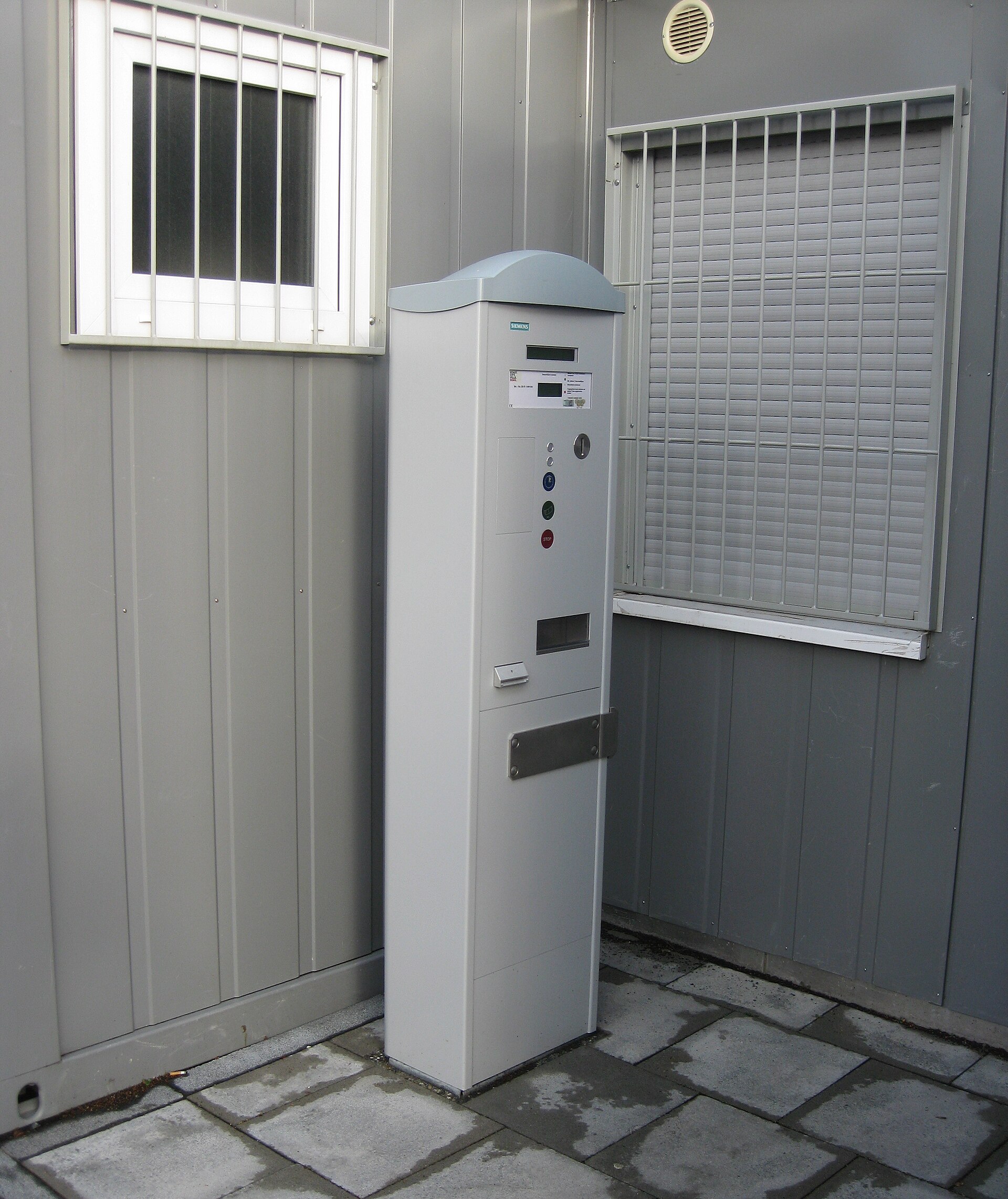
Let’s be realistic: ending prostitution is as far-fetched an idea as ending political corruption. It’s simply impossible. Even Jesus himself was a close friend of Mary Magdalene. In Germany, specifically in the city of Bonn, they know how many prostitutes there are, and far from trying to stamp out the profession on the street, they’ve put a tax on it that they expect will raise more than €300,000. The way it works is simple.
Sex workers have to go to a parking-meter-style machine, where they pay 6 euros a day to be allowed to work on the street between 8:30 p.m. and 6:00 a.m. Just like a car parked in a blue zone (Spain’s paid street parking), if the police come by and ask a woman to show her ticket and she doesn’t have one, she’ll be fined €100. With this measure, prostitution in Germany is practically legal, since there are even licensed brothels where the workers and the owner himself pay some kind of tax of this sort.
This gives us a lot to think about, because we really ought to look at the countries that are doing better than Spain. While here we crack down on prostitution in the middle of a crisis, in Germany it serves as a source of tax revenue. On the other hand, and ironic as it may sound, the city where trafficking for sexual exploitation is lowest happens to be Amsterdam (Netherlands), where prostitution is completely legal.
“While Germany has no speed limits and raises money from prostitution, Spain raises money from drivers through speed limits and cracks down on prostitution.”
Perhaps it’s time for Spain to think seriously about whether we want to keep a business that moves billions in the shadows, when we could use it to help the economic recovery. Let’s be realistic: if we legalized prostitution and sex workers could register as self-employed, business creation would grow considerably, money that’s currently “under the table” would be brought into the open, and the mafias would shrink considerably. We’ll leave it open for debate.
Further reading
Featured image: Sir James, CC BY-SA 3.0, via Wikimedia Commons.