Editor’s note: This article was first published in August 2014; its outbreak figures (just over 1,200 cases and about 672 deaths since February) are from late July 2014. The epidemic later grew far larger and reached Spain and the US that autumn. This article was written during the 2014 outbreak and its medical information is out of date: an Ebola vaccine (Ervebo) has been approved since 2019 and antibody treatments since 2020. It is not medical advice.
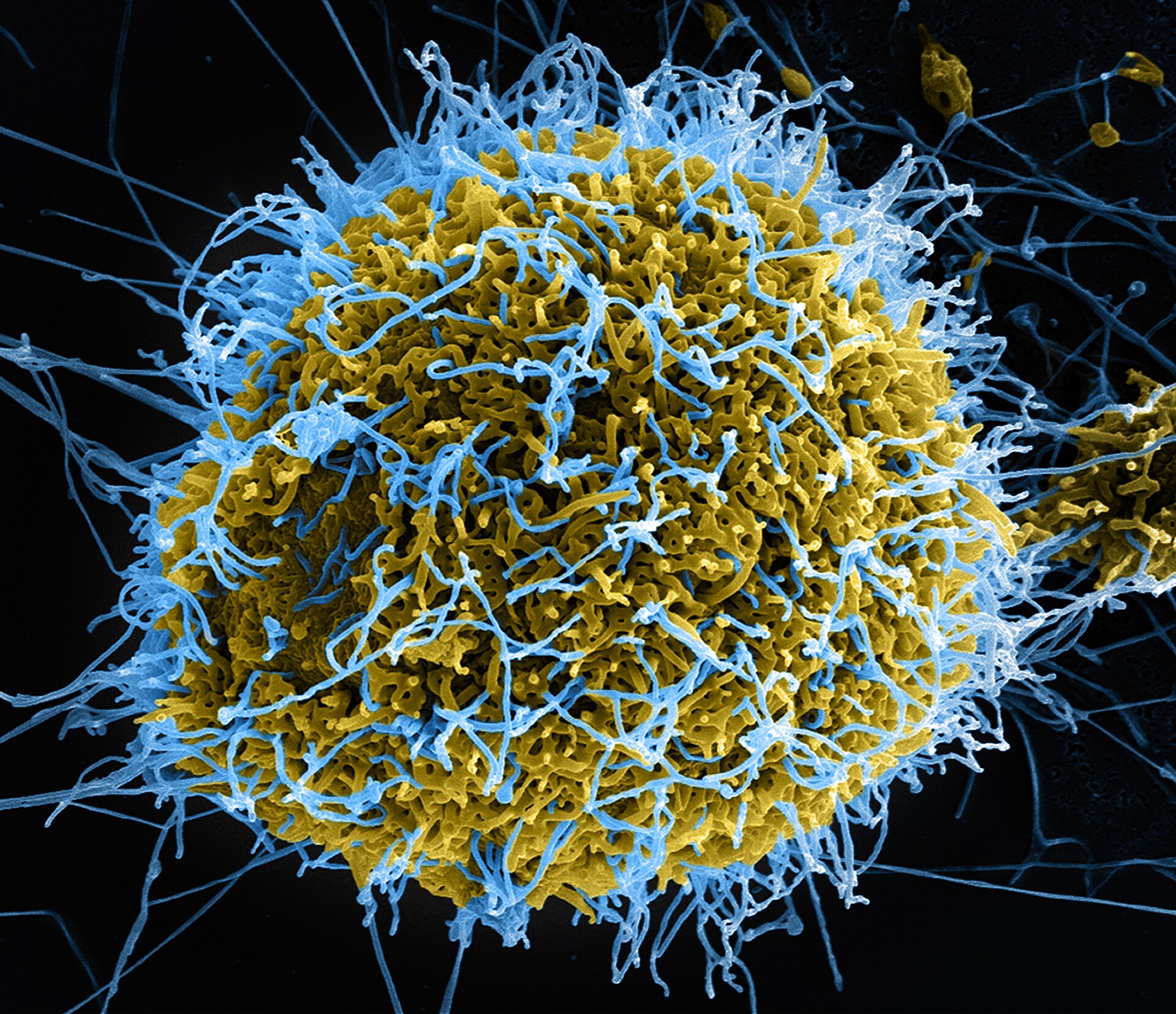
Ebola is back in the spotlight and is wreaking havoc in West Africa, with somewhat over 1,200 cases and some 672 deaths so far since the outbreak broke out in February. Containing this dangerous virus is now the top priority for public health authorities, as the virus has already reached Lagos, in Nigeria.
Although people say the risk of Ebola entering countries such as the United States or Europe is zero, the truth is that while it is low, it is not zero, because 20 years ago Ebola jumped from Africa to Europe.
1. What is Ebola?
Science does not know the origin of this disease. It first became known in 1976 in a small village in the Republic of the Congo, specifically a village very close to the Ebola River, which is where its name comes from.
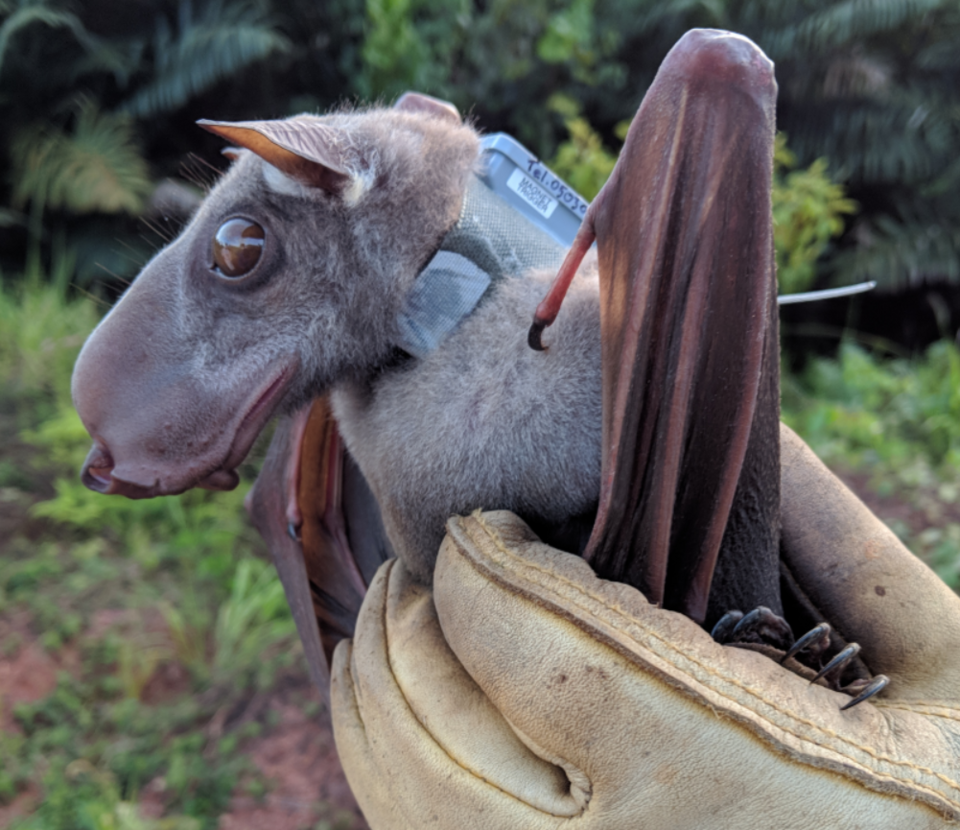
The scientific theory that makes the most sense about Ebola’s origin points to fruit bats, or at least to them being behind the spread of this virus.
In principle, the virus is thought to affect only humans and primates, although several studies have shown that bats can infect humans directly, without the virus having to pass through a secondary host such as monkeys.
2. What is Ebola’s death rate?
Given that its symptoms include haemorrhagic fever, one of the deadliest diseases, the death rate from this virus can reach up to about 90%.
3. What are the symptoms of Ebola?
The incubation period can range from 2 to 22 days, and during that time people who are already infected apparently are not contagious. First comes a high fever, followed by muscle pain, tiredness and fatigue, along with a severe headache.
As the disease progresses, vomiting and diarrhoea begin. The dangerous stages of the virus arrive with skin rashes and both internal and external bleeding.
4. How is Ebola detected?
Since its first symptoms are very similar to those of common flu, the only way to find out whether someone really is infected is through specific laboratory tests. If doctors are not specifically looking for the virus, they will not find it in the early stages.
5. How is Ebola transmitted?
Ebola can be passed on through direct contact, open wounds, faeces, urine, saliva and semen, and it can spread both from person to person and from animal to person. Someone who has had the virus and has apparently recovered could go on infecting other people even several months after recovering.
6. Is there a cure for Ebola?
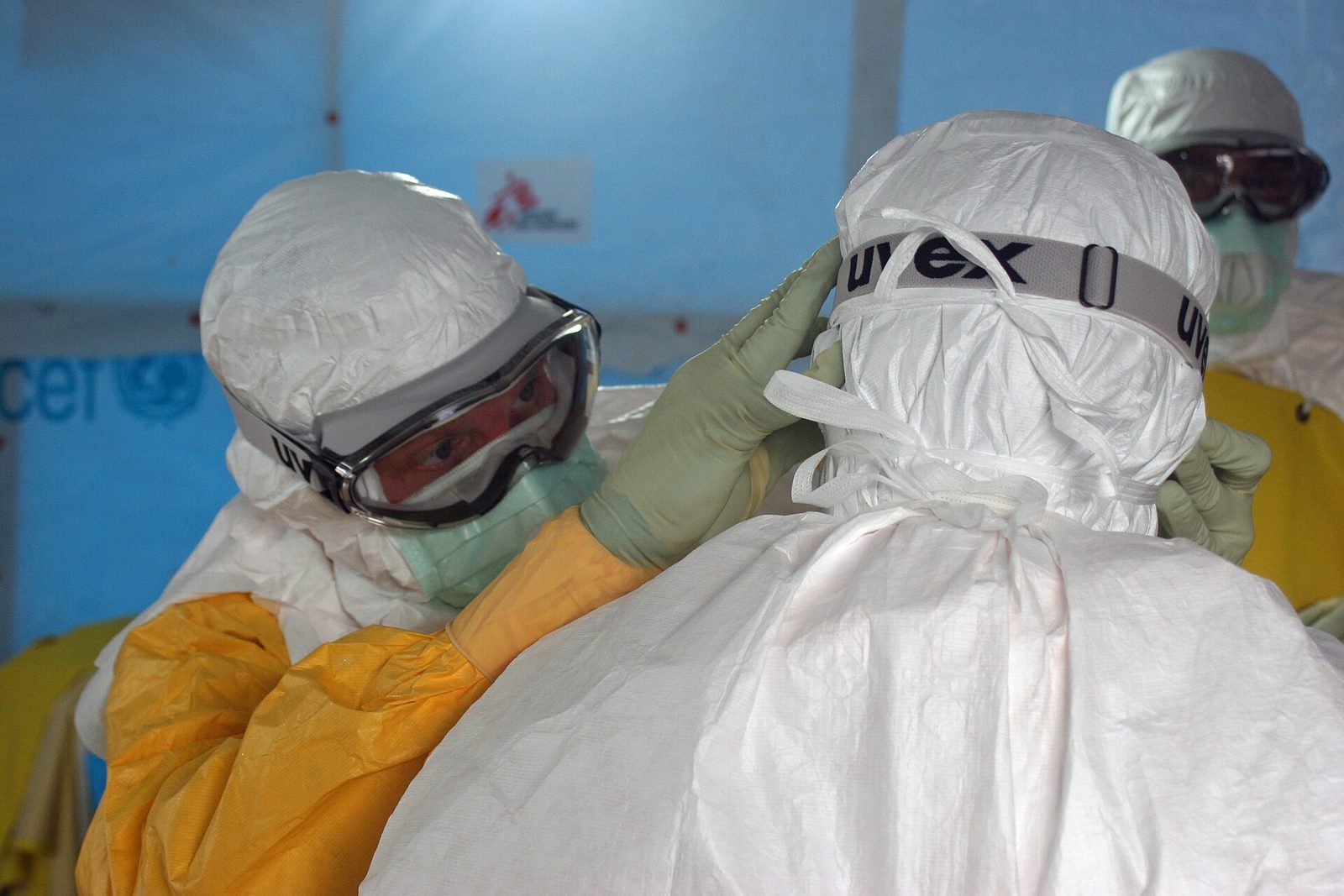
Unfortunately, according to the WHO, there is still no official cure or vaccine for this disease. What doctors do is treat the other symptoms that appear in infected people, in the hope that, with a bit of luck, they can beat the virus after a hard and prolonged fight. Even so, some experimental vaccines are starting to be tested, although there are no results on their effectiveness yet.
7. Is there a risk of Ebola reaching other places, such as Europe or the United States?
Although the risk is low, it certainly exists, since 20 years ago the virus jumped to Europe. Extreme precautions must also be taken with air travel, as it is the greatest source of contagion: a virus can cross to the other side of the world in a matter of hours.
8. How did the virus jump to Europe?
It was 1994. It all began with several dead chimpanzees in Taï National Park, in Côte d’Ivoire. Three researchers wanted to know what had killed those chimpanzees, so they decided to find out.
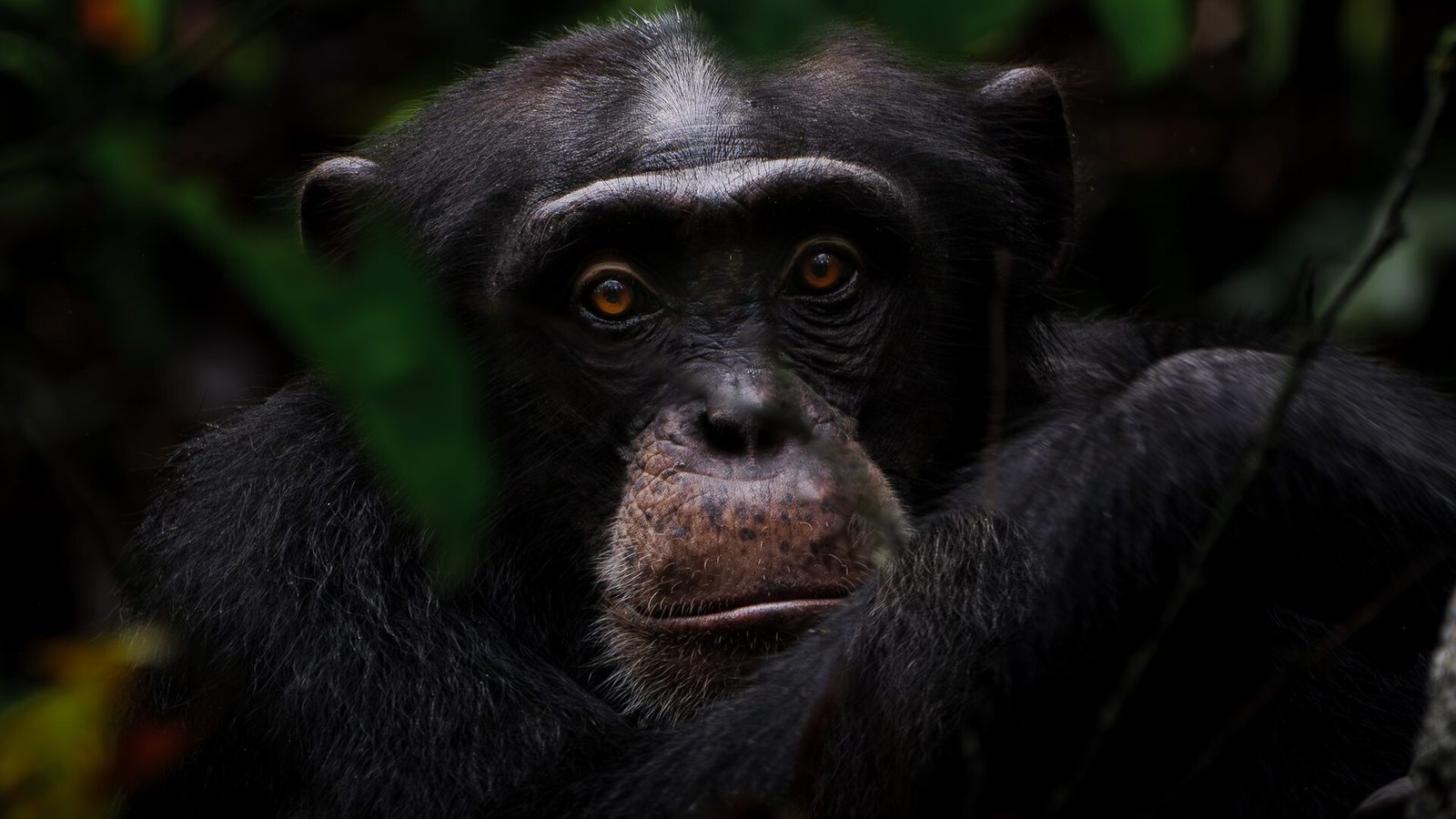
They dissected the body of the chimpanzee that had died most recently and found signs of bleeding and a lack of clotting, but they were left without knowing exactly what had killed it.
Eight days later, one of the researchers who had taken part, a 34-year-old woman, fell ill. Her fever shot up, and three days later, far from improving, she had got worse. She was taken to a hospital 300 kilometres away to try to identify what was wrong with her.
Since Ebola was supposedly eradicated, the last outbreak having been 15 years earlier, the doctors suspected malaria.
When severe vomiting and diarrhoea began five days later, the doctors were at a loss. The woman stopped eating and soon afterwards stopped urinating. A rash appeared on her shoulder and spread across her back before spreading over her whole body.
She became irritable, confused and anxious, and even began to forget things. Antibiotic treatment was having no effect, and the doctors still did not know for sure which virus or bacterium was causing it.
The doctors realised they were probably dealing with a highly contagious disease, so they decided to take extreme precautions and transfer her to Switzerland.
At a first examination, the doctors saw nothing unusual on the abdominal ultrasound, although they did notice something odd about her liver and spleen.
This team of doctors’ final diagnosis was “viral or bacterial infection of unknown origin”.
After nine days, the fever began to subside, the diarrhoea stopped and she started eating again. Although she had lost a lot of weight, she left the hospital after 15 days without knowing what had happened to her, only that, whatever it was, it had nearly cost her her life.
Once she had apparently recovered, her hair began to fall out in large amounts for months, something that seems to be an after-effect of having had this infection.
9. Back to the origin
Later on, some doctors kept investigating to shed light on that mysterious case of a serious illness they had had on their hands, and concluded that it might be related to the monkeys that had been found dead… But then, why was she the only one of the three researchers to be infected?
It is a great mystery that could only be explained by one of two theories: first, her gloves were worn and she may have touched the blood with her hands; and second, a drop of the chimpanzee’s blood may have splashed onto her face during the dissection.
In the end it became clear that this woman had been infected with Ebola.
So, bearing in mind that air traffic at that time was far lower than it is today, the risks of this virus spreading are also higher now.
Needless to say, there is no shortage of conspiracy theories about how a dead virus has come back to life at precisely this moment.
Sources: Wikipedia | World Health Organization | Business Insider
Further reading
- The 6 most popular conspiracy theories in medicine
- The six mass extinctions on Earth
Featured image: NIAID, CC BY 2.0, via Wikimedia Commons.