Editor’s note: This article was first published in July 2014, and the study it describes and the figures it cites date from that month.
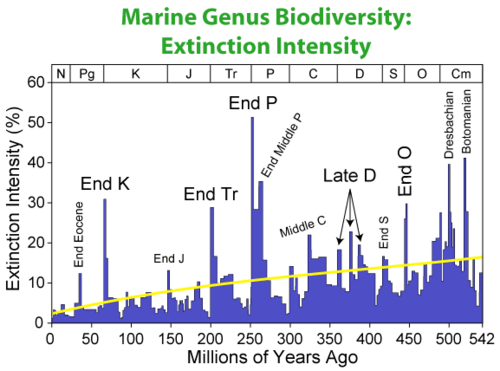
About 65 million years ago, the dinosaurs died out, and with them 75% of the planet’s species. It was the fifth mass extinction event. According to a paper published in the journal Science, Earth may be on the brink of a sixth mass extinction, with the difference that this time it will not be caused by an asteroid. The culprits are us. Let’s review the 5 mass extinctions on Earth.
1. The Ordovician–Silurian mass extinction
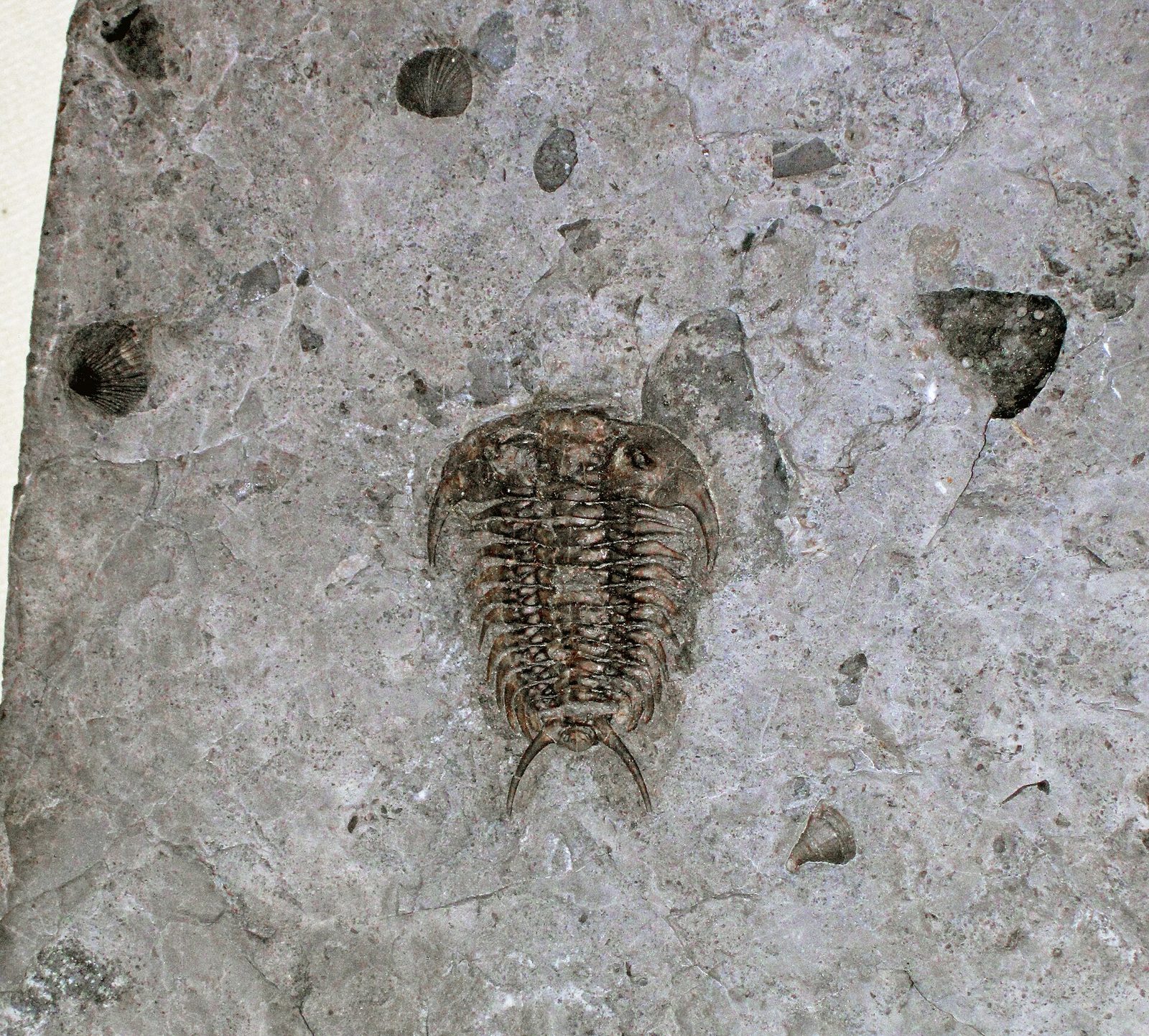
More than 440 million years ago, life on Earth was almost entirely aquatic. Around 85% of marine life was wiped out over a period that probably lasted hundreds of thousands of years. According to science, it was caused by a huge ice sheet in the southern hemisphere, which brought about climate change and a fall in sea level. Marine creatures such as trilobites, brachiopods and graptolites dropped drastically in number.
(Source: BBC Nature)
2. The Late Devonian mass extinction
359 million years ago, three quarters of all the species on Earth died out over a period that may have been a series of extinctions spread over several million years rather than a single event. Life in shallow seas was the hardest hit; large parts of the sea even ran out of oxygen, so that only bacteria thrived. According to science, changes in sea level, asteroid impacts, climate change and the new kinds of plants that appeared were responsible for all these extinctions.
(Source: BBC Nature)
3. The Permian mass extinction
It happened 246 million years ago and was the most destructive episode in Earth’s history, nicknamed the “Great Dying” because it wiped out 96% of species. It is said that all the life on Earth we know today is descended from the 4% of species that survived. The annihilation may have stretched over millions of years, and even insects suffered the only mass extinction in their history.
Although the cause of this extinction is not clear, everything points to asteroid impacts, volcanic eruptions, flood basalts and a drastic fall in oxygen levels.
(Source: BBC Nature)
4. The Triassic–Jurassic extinction
200 million years ago, a period of species loss began that lasted some 18 million years. Once again, the effects of climate change and an asteroid impact are among the suspects behind this loss of life. Many animals died out, including a great many marine reptiles and giant amphibians. Plants were hardly affected, but 50% of species perished.
(Source: BBC Nature)
5. The Cretaceous–Tertiary mass extinction
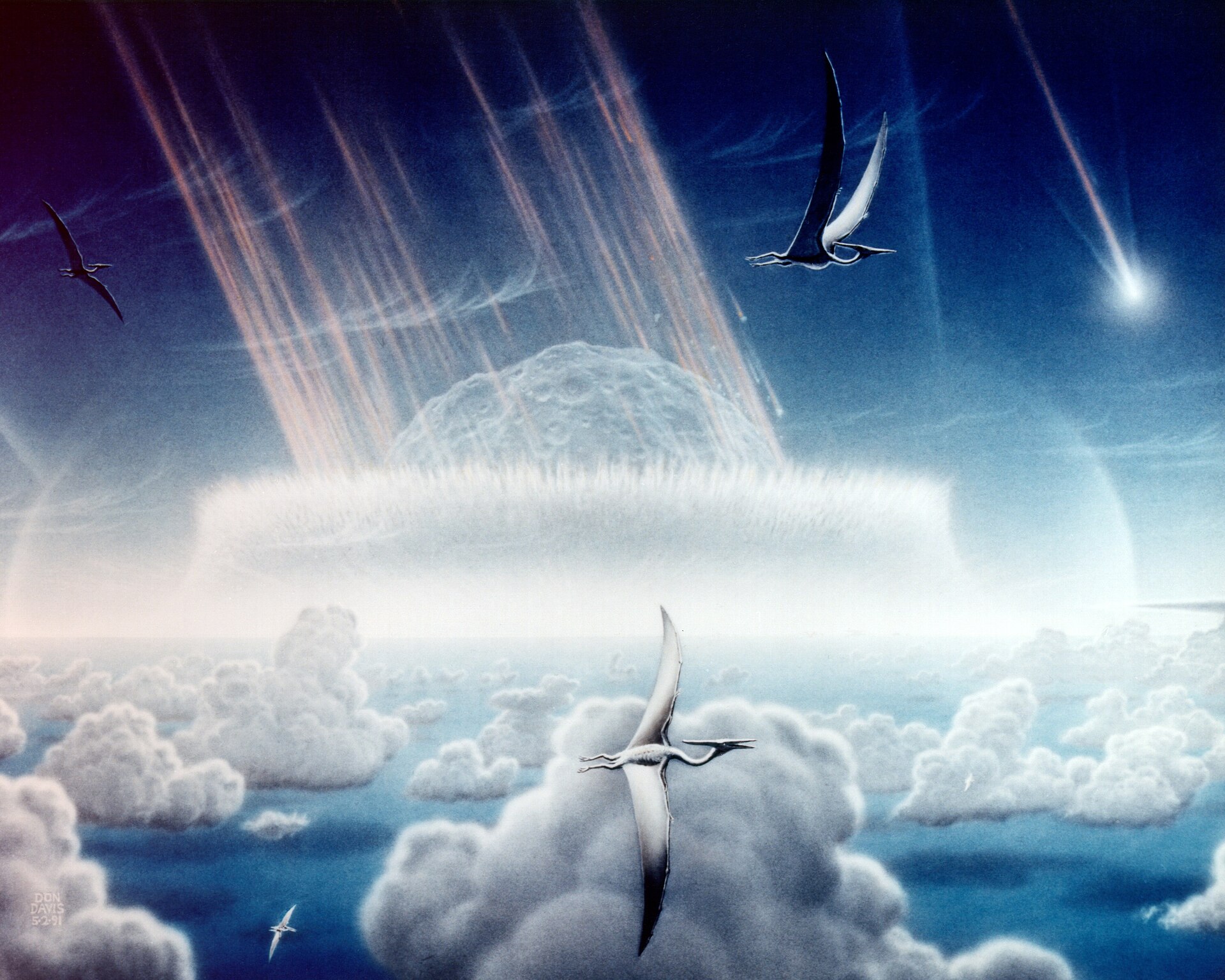
The best known and most recent mass extinction, famous for the death of the dinosaurs 65 million years ago. Scientists believe this extinction was caused by a change in life on Earth brought about by ongoing climate change and basalt eruptions. The last straw came when a giant asteroid struck the seabed near the Yucatán Peninsula (Mexico). That was when everything went wrong, and it ended up wiping out these species.
(Source: BBC Nature)
6. The mass extinction caused by “Homo tremendus idioticus”
The paper in Science reviews the human impact on animal biodiversity, a little-known form of global environmental change that ecologists and biologists have been warning about for some time.
According to the paper, among land vertebrates 322 species have become extinct since the year 1500, and the populations of the remaining species show a 25% decline in average abundance.
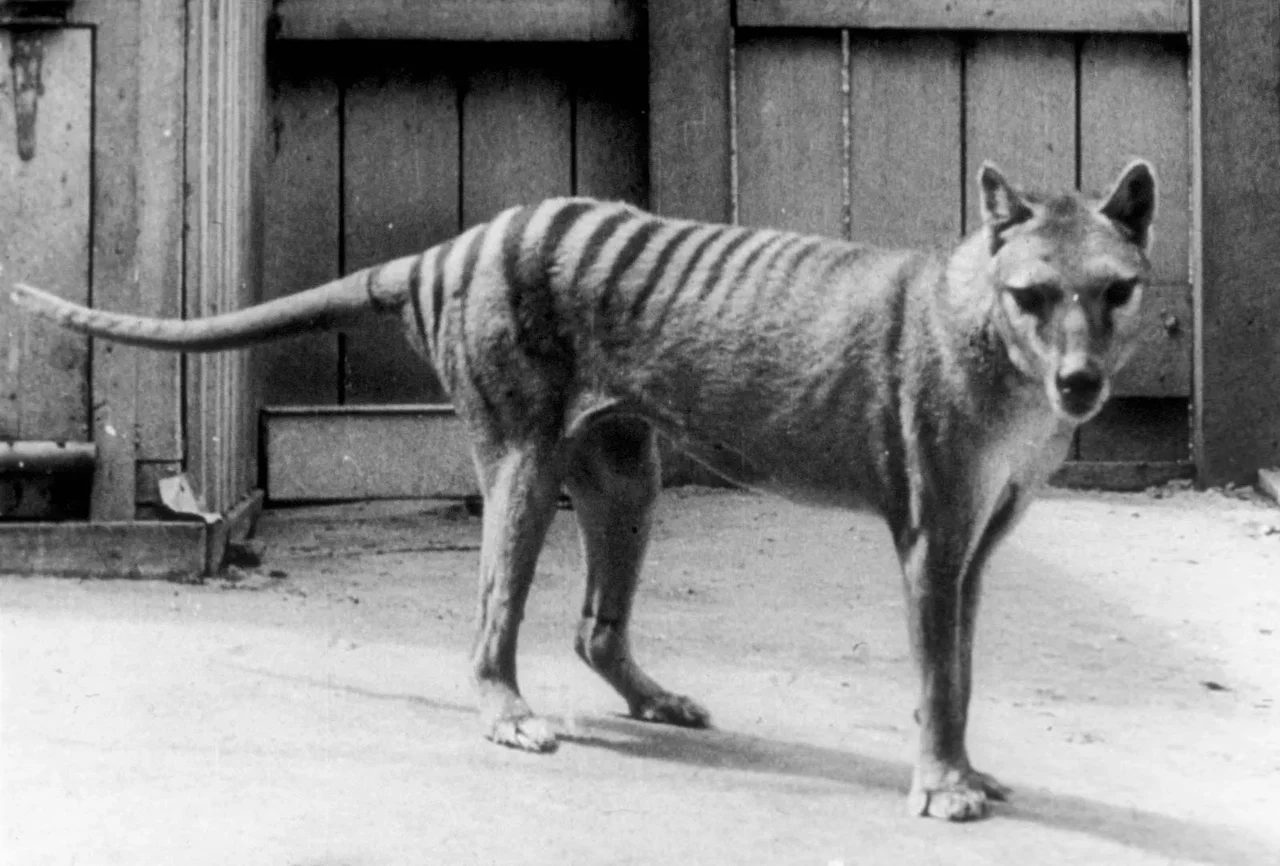
The scientists say that a third of vertebrates are threatened or endangered, in what they have called “defaunation” (the decline of animal species).
The study points to overexploitation of resources, habitat destruction and invasive species as the main causes of the threat, although it notes that before long, man-made climate change will become the number one cause of defaunation.
Likewise, pathogens introduced by humans remain another growing threat. The good news is that we are not lost yet and can take steps to prevent it. To do so, drastic measures must be taken immediately, measures that need not affect our quality of life in the slightest.
And the truth is that we humans are going too far. I believe everyone can live without crocodile-skin boots or a crocodile-skin handbag, or without killing an elephant for fun or to sell its tusks.
The paper warns of the dangers of breaking the food chain: we are endangering some species that are food for other species higher up, which could lead to those higher species disappearing too.
Every day certain species are slaughtered for the sole purpose of taking their skins. They are not even being killed to be used as food. In the same way, we humans are forgetting that plants and trees are this planet’s source of oxygen.
The consequences of defaunation are worrying, although unknown, but they could equally lead to the decline of that other vertebrate called the human being.
In the absence of an asteroid to do the job of extinction, humans are proving to be the greatest “Armageddon” of destruction.
See also: What would happen to Earth after a limited nuclear war
Featured image: Donald E. Davis, Public domain, via Wikimedia Commons.