Editor’s note: This article was first published in November 2011. It is news commentary based on an El País report about a criminal complaint filed by the patient’s family; the outcome of the case is not covered here.
In Catalonia, a 65-year-old woman has already paid the price of healthcare cuts. After a brain haemorrhage she needed urgent surgery and, as reported in El País, she died after being taken to four public hospitals.
According to El País, on 7 September Maria del Carmen Mesa woke up with an intense headache and loss of consciousness, clear symptoms of an aneurysm (brain haemorrhage), so at about 5:00 a.m. she went to Hospital no. 1 (Hospital de Blanes), which referred her to Hospital no. 2 (Josep Trueta in Girona), where she arrived at 10:17 a.m. According to the criminal complaint, the hospital told the family that the operation had to be performed urgently but that it couldn’t be done there, because the hospital had been affected by the “recent reorganisation of services” introduced by Salut (the Catalan health department). She therefore had to be sent to Hospital no. 3 (Hospital Vall d’Hebron), where she arrived at 5:29 p.m.
According to the text of the complaint quoted by El País, once she reached Hospital no. 3 the relevant tests were carried out again, showing clear evidence that she needed urgent surgery. Even so, the operation had to be postponed until the next day because the operating theatres were closed.
The next day, 8 September, the operating theatre available for Maria del Carmen’s operation didn’t have the equipment needed. That same afternoon, the 65-year-old suffered two further bleeds and her condition worsened. Yet it wasn’t until the following day, the 9th, that the hospital again said there were no operating theatres available, so she had to be moved once more, to Hospital no. 4 (Hospital Clínic), where they finally decided to operate on her at 11:34 p.m. By then it was too late: her condition had deteriorated to the point that she died six days later. A death that could have been avoided.
The family is now exercising its right to take legal action for a crime against citizens’ individual rights, for failing to guarantee a patient’s healthcare and for denial of healthcare. The Generalitat (the Catalan regional government), which runs all four hospitals, denies that her death can be blamed on a lack of staff or resources. On top of that, it has the nerve to argue that she was cared for at all times in line with the seriousness of her illness, and therefore it doesn’t consider there to have been any negligence or error.
This news is so outrageous that today I’ll even spare myself any personal comment. I’ll simply ask that whoever is responsible pays for it, and preferably not just with a fine, because there are people serving prison sentences for lesser crimes.
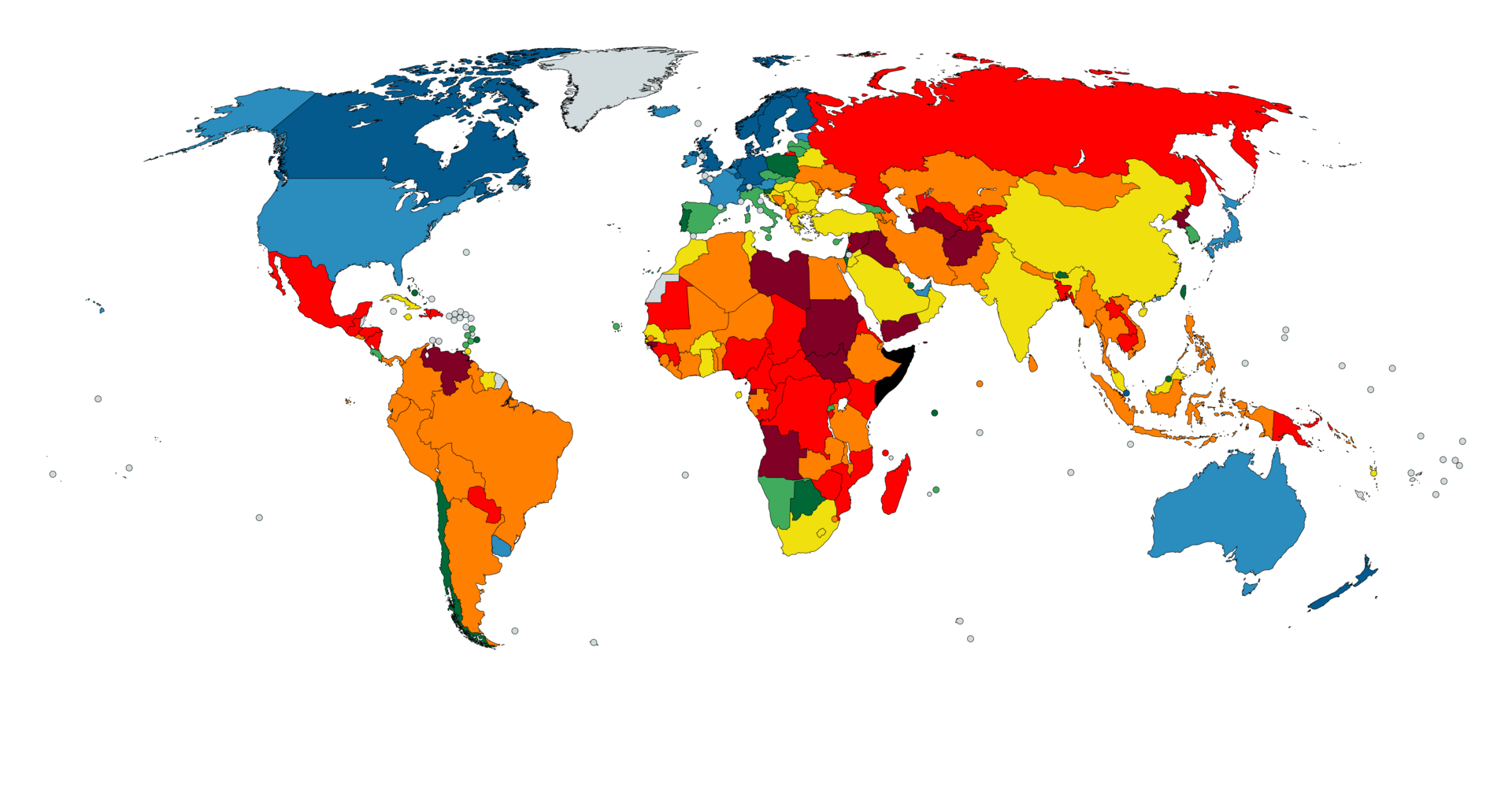
And for those who haven’t been paying attention, let me remind you that we’re not talking about the Horn of Africa, but about a country that until recently was considered a developed country: Spain.
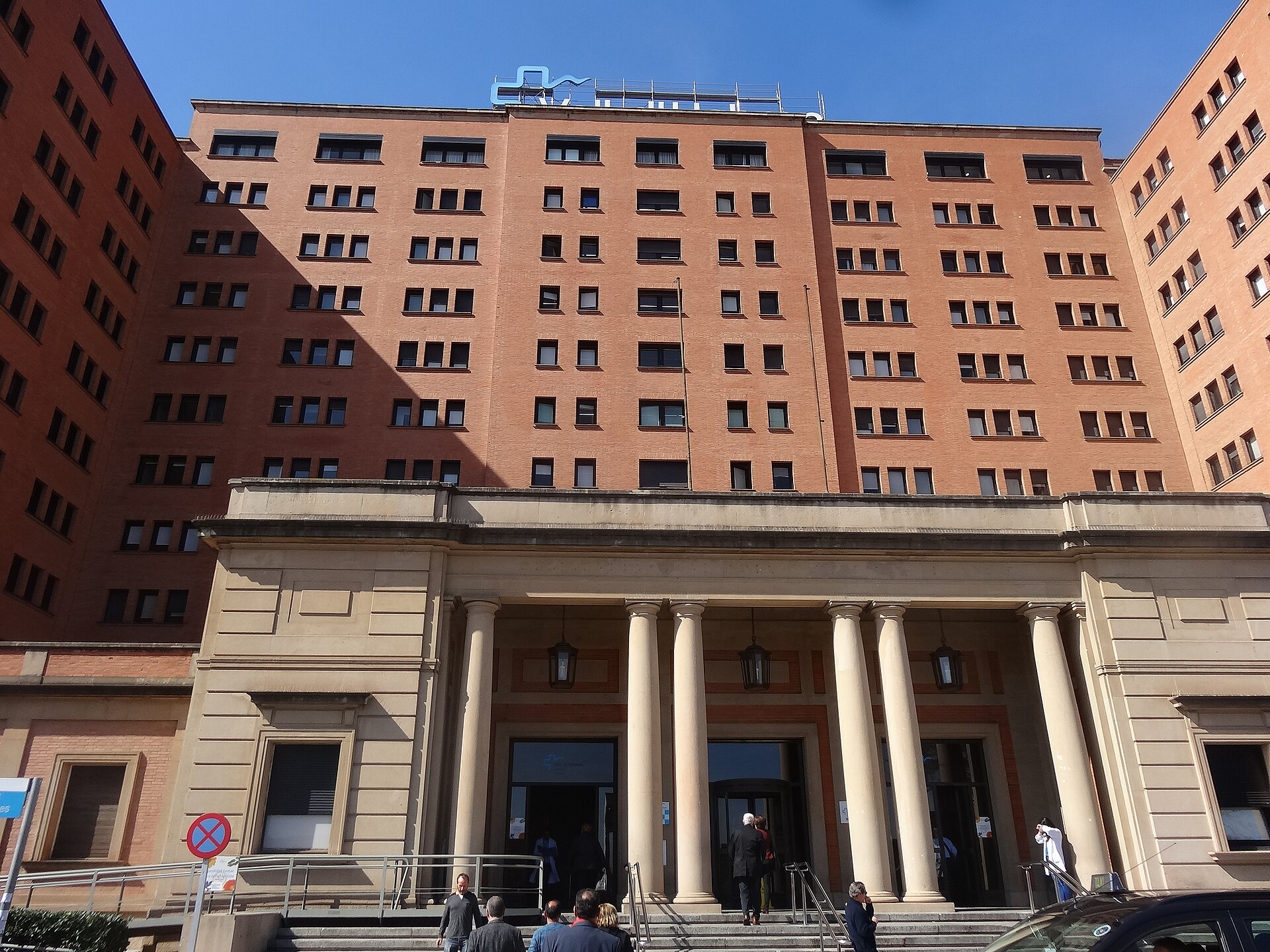
Featured image: Jordiferrer, CC BY-SA 4.0, via Wikimedia Commons.