Editor’s note: This article was first published in November 2011 as an opinion piece written amid the debt crisis and talk of a new recession. The legal and political debate on prostitution in Spain has moved on since, so its description of the legal situation should not be read as current.
Many people see legalising prostitution as something degrading, but honestly, this profession has been with us since ancient times and will stay with us for a long time to come. That’s why it’s called “the world’s oldest profession”. We have figures on the Spanish economy, which are not very encouraging, and we also have figures on the prostitution business. In a previous article we mentioned that we Spaniards, for better or worse, are Europe’s biggest buyers of paid sex, and it’s estimated that we spend around 50 million euros a day on these services.
That’s 50 million euros that never reach the taxman and that the state’s coffers could certainly use. In times of crisis, with the threat of a new recession, I think it’s madness to propose spending cuts without also proposing other kinds of measures that generate income. It’s in our interest for the prostitution business to be legal because, even if that goes against some people’s religion, legal or illegal, we’re going to have it. We often think that legalising prostitution in Spain would increase sex trafficking and create the perfect environment for organised crime. That view is mistaken, because if this business were legal, “sex workers” wouldn’t depend on a third party and could work completely freely.
What would a prostitute’s legal situation be?
Today, a prostitute is a professional like any other, and Spain’s Social Security system recognises this, so there is no legal obstacle to her registering as self-employed. Gloria Poyatos, a Spanish judge committed to the cause, showed (by posing as a prostitute) that a woman can register with the Social Security Treasury without any problem. Prostitutes can pay social security contributions and tax on what they earn, and access social benefits.
Likewise, under the Social Security scheme for self-employed workers, those contributions would let them retire without problems, and they could also take out insurance to receive benefits during pregnancy or any kind of sick leave.
The problem a prostitute faces
Once a professional in this sector registers as self-employed, she would have to invoice her clients in order to work legally. That may be the biggest problem, because one of the things clients look for in these services is discretion, and with an invoice in their name, discretion goes out of the window.
Moreover, many prostitutes take up this line of work out of necessity and as something temporary, so registering as a “sex worker” would mark them for life.
These are the kinds of problems public bodies need to solve, finding a way for a woman to work in this profession legally without being “stained” for life.
However, there are many other professionals who are not ashamed to say what they do, and if prostitution were legalised they would have no problem registering with Social Security. Legalising prostitution doesn’t encourage it to grow; rather, it regulates it, improves the unemployment figures and swells the state’s revenue.
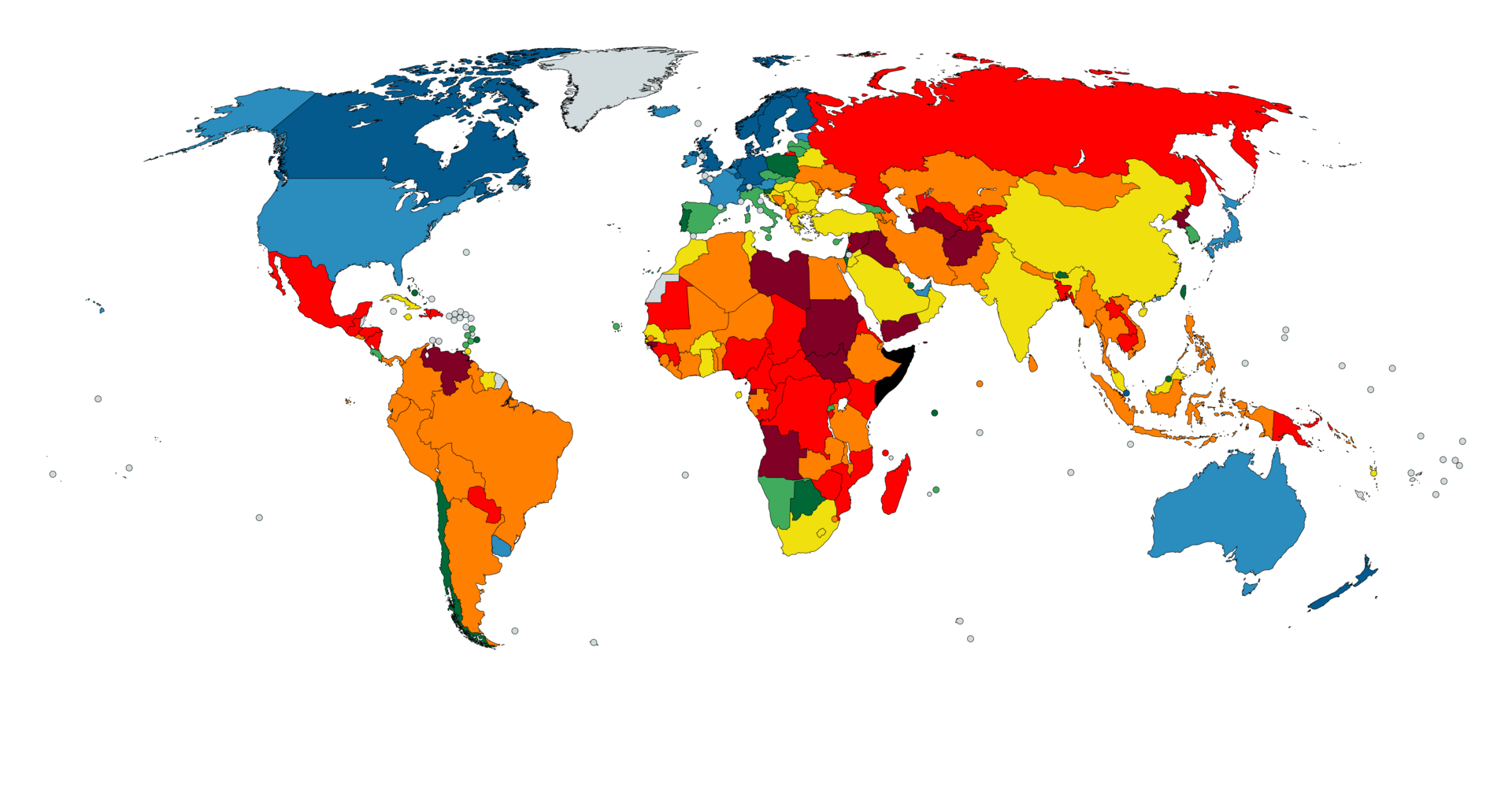
While in Spain we look the other way whenever prostitution comes up, many countries are already making the most of it. Germany, for one, unable to stamp out street prostitution, hasn’t given up: it has installed a kind of parking meter where prostitutes pay a daily fee so they can work without trouble. Not to mention the Netherlands, where prostitution is not prosecuted, which gives it complete freedom and regulation.
Featured image: CarlosVdeHabsburgo, CC BY-SA 4.0, via Wikimedia Commons.