

Editor’s note: This article was first published in March 2012; its phrase “in the times we’re living in” refers to Spain’s economic crisis of 2012.
Without wanting to stir up controversy, and because I disagree with the article arguing that CVs are useless, I’d like to set out some realities on both sides (candidates and companies) regarding the opinions expressed in that post.
The CV as a calling card
One day we’ll talk here about looking for a job through the candidate’s network of contacts, which some might see as cronyism. But even when you use friendly channels in an active job search, you still need that written phenomenon known as the CV.
One example of how well it works comes from people who work in sales. They hand out business cards with their email and phone number to everyone who comes near them, looking for potential customers who might want to buy what they sell. Of the many cards they hand out each day, there are always buyers who call them to negotiate a sale. The CV is the same: you have to send out a lot of them, and from one of them, the one you least expect, the phone rings. It’s just like a salesperson’s business cards.
Above all, the CV is the candidate’s calling card for the employer. It’s how you stay in their memory: the candidate’s contact details, together with their education and other relevant information, which will speak for them before the HR specialist when the company is looking for someone who fits that profile.
It’s true that a CV can contain falsified information, and it’s also true that selection tests can be gamed (we’ll talk about that another day), but everything can be checked and certified. I’m referring to qualifications: if the candidate is selected, the company always reserves the right to confirm and verify the studies they claim.
Graduates in everything… on paper
I have a lot of experience with this. Some HR managers think education is the key thing in a candidate, and they look for graduates with master’s degrees and plenty of further training as the best option for their company.
But that candidate has done nothing but study and lacks something fundamental: experience. The kind of experience that university doesn’t give you, nor vocational courses, nor the temporary jobs taken to pay for university. Experience comes from day-to-day work.
Many companies make the mistake of placing the candidates with the best qualifications in lower-level jobs. These employees end up demotivated. Their efforts as students go unrewarded, they do work below their qualifications and… let’s not even get into the demotivation when it comes to pay, which in the times we’re living in is even more pressing.
Studies are worthwhile; they give you theoretical training for the job. Vocational training, however, is very clear about this: by ministerial regulation, it calls the real training “Formación en Centros de Trabajo” (on-the-job training in companies, the work placement module of Spanish vocational courses), where students show what they’re made of.
Aptitudes, real or fictitious
The traits that make up a candidate’s personality come out in tests and in individual or group interviews, through their personal experiences (we’ll talk about this too). Their experience of teamwork, leadership, initiative, learning, interests and so on will be tested against their personal experiences: whether they’ve been the leader of their group of friends or of their family, and what experiences they’ve had leading those groups. Interviewers will also discuss, in depth, their experience of teamwork in student settings or in other professional activities.
Those personal experiences, which studies don’t provide, and the candidate’s reactions to them, can be compared with what the job demands, and that is where aptitudes show. Can people lie? Yes, but that’s the job of the HR specialist: to ask questions and look for the truth.
A personal anecdote: we once interviewed a person and talked about her experiences and problems at a bank. We asked in detail about the difficulties that forced her to leave the job. Funnily enough, a few hours later the person who had replaced her at that bank came in for an interview, and we were able to check the first candidate’s version with her. As the Spanish saying goes, “you catch a liar sooner than a lame man.”
Mistakes with selected candidates
Companies have various ways of getting rid of a candidate they’ve selected, since there are initial temporary contracts so that, for short periods, the candidate can show in the job the qualities they tried to demonstrate in the various selection tests.
If the candidate was selected through a recruitment agency, these agencies offer a “guarantee” period in which they refund the recruitment fees or look for another candidate with a better professional profile.
And then there’s the candidate’s employability, where day after day their own actions show whether or not they lied during selection. A lot depends on the leadership and sense of responsibility of the manager who takes the new employee on: that manager has to bring out the employee’s best qualities and be honest enough to say when the employee isn’t up to the job. The manager certainly has the company’s trust; the employee has to earn it. Having enough qualifications doesn’t mean being the best choice.
Finally, in my view the best selection option is internships or traineeships. They let the company see the student actually doing a job, showing their talent every day, at their best and at their weakest moments, at a much lower cost than the options above.
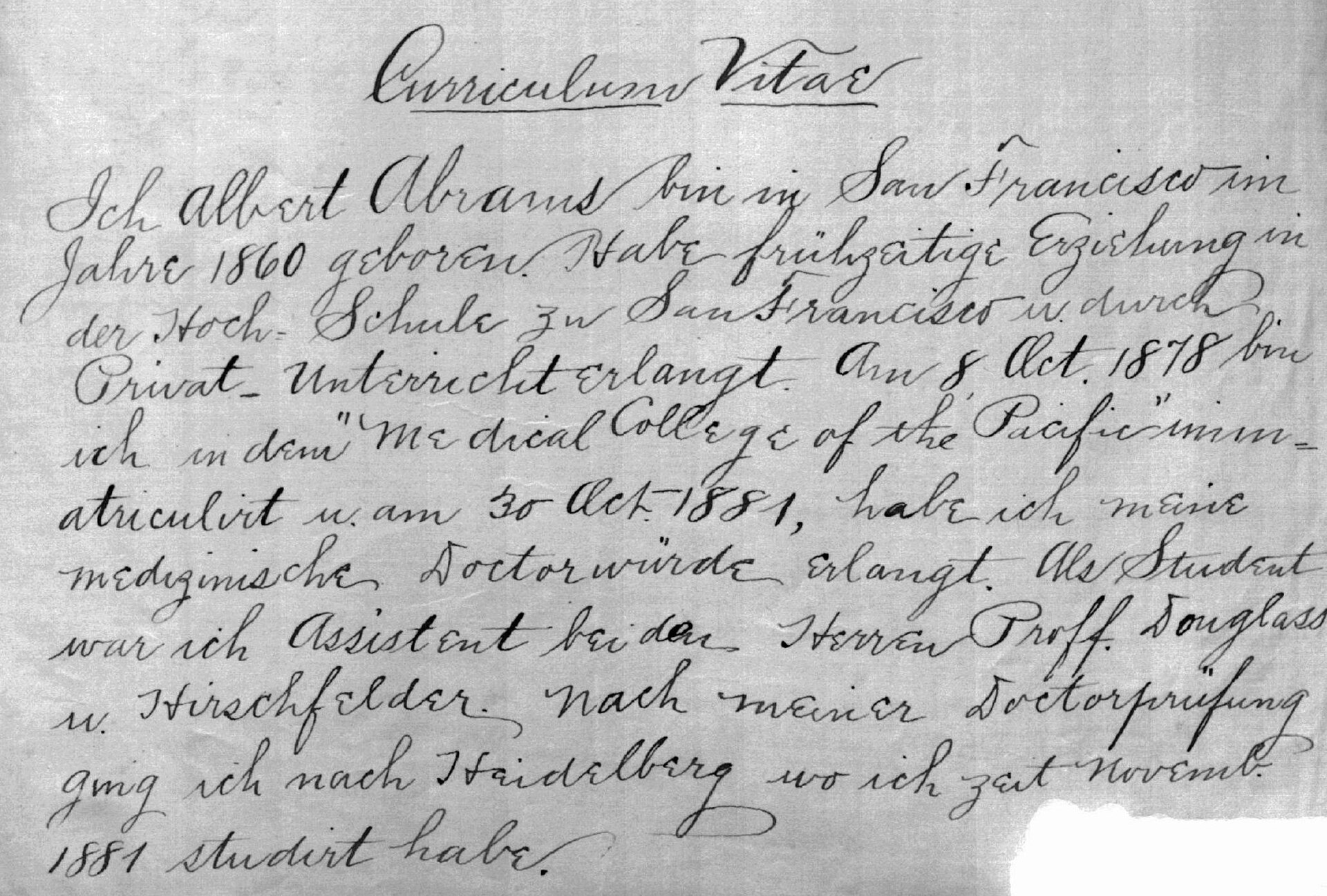
Featured image: Albert Abrams, Public domain, via Wikimedia Commons.



