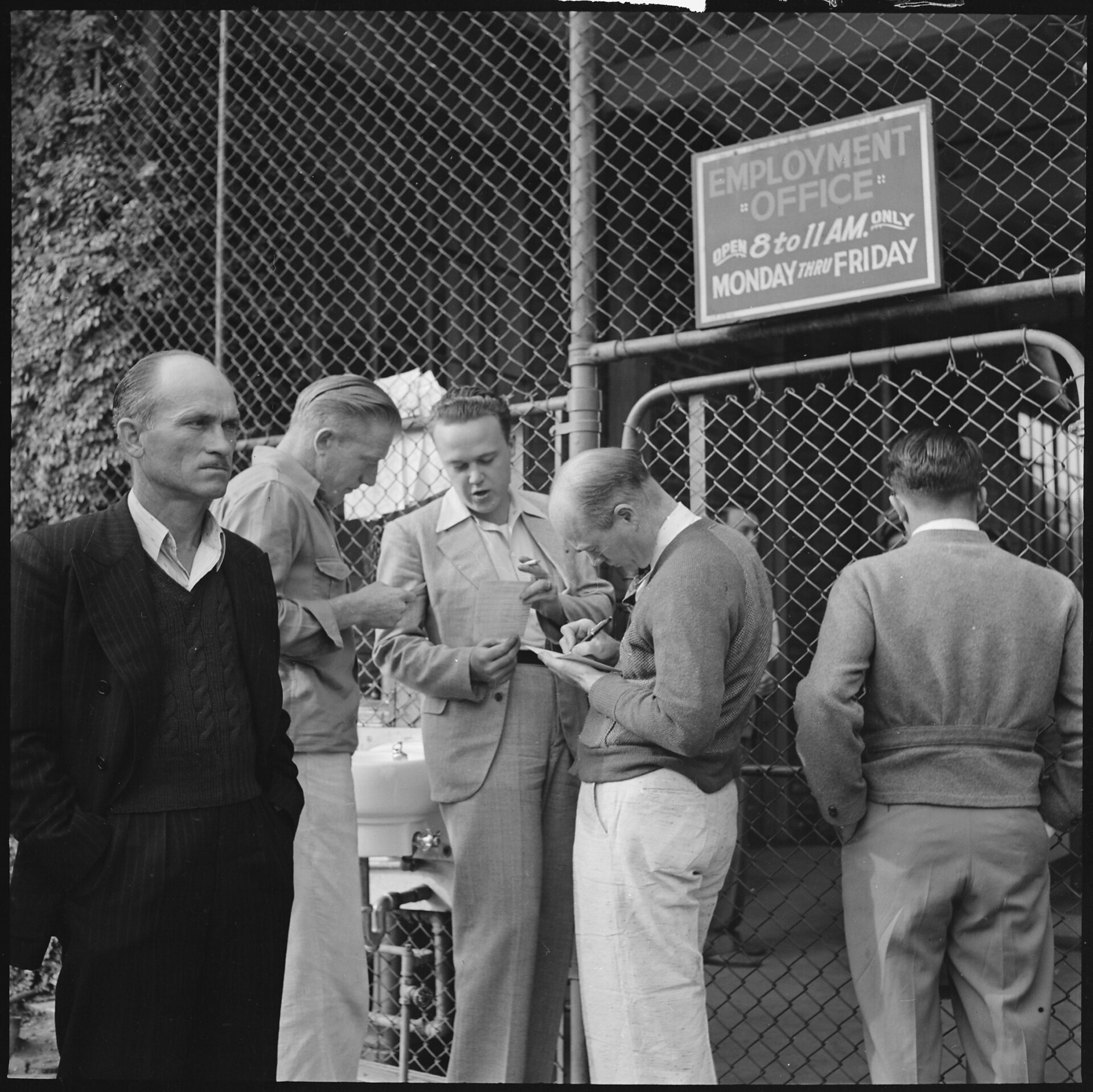
I need to find a job. I’ve reached the point where I’m going to start looking for my first one. When I approach companies, they ask me for a CV.
I’ve searched online and found lots of CV templates. My problem is: what do I actually put on my CV?
The sections of a CV
The answer is simple: your CV is how you introduce yourself to the job market. They don’t know you at all, and they need to learn everything about you, all on a single page, with a photo.
A CV has these sections:
- Personal details
- Education and additional training
- Work experience
- Other information
Personal details
This is the section that identifies you as an individual. It will be the last thing they look at when reviewing your CV, but it’s how they’ll reach you if they want your services. Your details should be clean and complete, with a recent photo, and should include:
- First name and surnames
- Full home address
- Contact phone numbers
- National ID number (in Spain, the DNI)
- Whether you hold a driving licence, and what type
- Email address and social media profiles, if you have them
- Any disabilities
Education and additional training
This section is split into those two parts, and it will probably be the first filter if the company screens CVs before shortlisting.
Both formal education and additional training should be listed from the most recent to the oldest. Give the years, the official name of the qualification or course, and the institution that delivered it.
For additional training, add the number of hours each course lasted and, in every case, whether or not you have a certificate to prove it.
Work experience
As in the previous section, list your jobs from the most recent to the oldest, giving the name of the company, the dates you worked there and a summary of what you did.
Here, recruiters look for overlaps between the candidate’s experience and what the new job requires.
Other information
This is where you list hobbies, personal experiences, interests and the personal traits that describe the candidate’s strengths.
What your CV is for
Let’s not forget that the CV is the candidate’s first contact with the company. It’s the first impression the company gets of its possible future employee, and… they don’t know you at all! But you have to win their trust.
Whatever it manages to show, and whatever impression it gets across, will go a long way towards determining how well that CV does at the company that receives it.
Later come other kinds of tests to check and assess the candidate’s abilities, depending on the company and the position: interviews, tests, group role-plays and so on.
Further reading
- Resumésimo: a CV that stands out from your “competition”
- 7 body language techniques that will help you
- Awkward job interview questions of doubtful value
Featured image: Rondal Partridge, Public domain, via Wikimedia Commons.