

Editor’s note: This article was first published in March 2012 as an opinion piece, while the Spanish cases it names (Nóos, Gürtel, Brugal, Campeón, the Andalusian ERE case) were under investigation; their outcomes came later.
It would be impossible to work out how much money some politicians and town mayors pocketed during the property boom through bribes for rezoning land for development. Nor could we ever know the exact amount of capital sitting in tax havens today in the names of “shell” companies belonging to those same officials. That money will probably never turn up, quite simply because the people who hold it have the power to decide which investigations to open and which to leave forgotten.
What we lived through was an epidemic of corruption, a storm that led us into the current crisis. And, as in any epidemic, the rats and cockroaches follow their innate survival instinct. Now that the property bubble has burst, where are our rats and cockroaches heading?
Today the dirty money is in the “trade” in public contracts awarded by government bodies and in public aid itself. Spain has already seen the “Nóos”, “Gürtel”, “Brugal” and “Campeón” cases and the ERE case (all major corruption investigations), and as the courts keep doing their job, I’m sure many more will come to light.
Malfeasance in office and misappropriation of public funds, or in other words, contracts handed out at will to friendly companies, or to companies willing to pay an incentive to win the contract in question (what is, to all intents and purposes, a bribe). Another method is to collude in inflating the real budget so the difference can be shared out like good friends, or rather like good cockroaches, since this is taxpayers’ money.
According to a statement from the Anti-Corruption Prosecutor’s Office itself at the start of the year, this type of corruption’s days were numbered. The well-known Judge Garzón thought so too, and he ended up barred from office; and, sure enough, the alleged “Gürtel” corruption case came to an end when those responsible were cleared of the charges. In other words, they are now innocent.
Public aid is now under suspicion. Bearing in mind that in 2010 alone public aid amounted to 16% of gross domestic product (GDP), there’s no doubt that, in the storm of the crisis, it makes a good safe haven for the rats and cockroaches.
Unjustified restrictions, contracts awarded at will, suspicious benefits for certain bidders and budget deviations have been our daily bread in Spain.
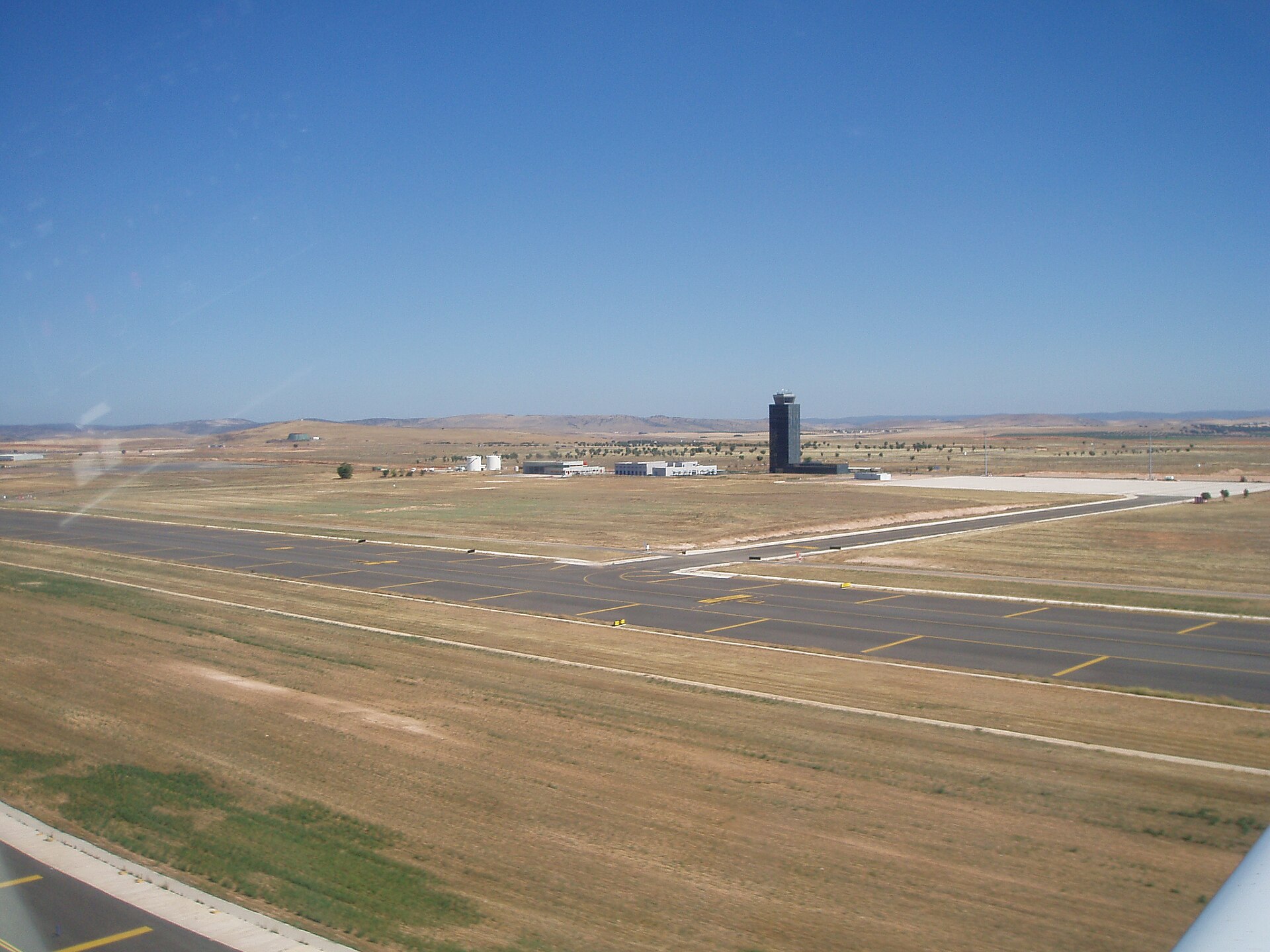
Brussels is now investigating some suspicious destinations for this public aid. Spain’s National Competition Commission (CNC) has also criticized the money granted to “ghost” airlines and airports, since they were not profitable, quite apart from how suspicious it is that Spain has some airports that see only 15 passengers a month. Investigators now want to know why some regional governments invested 250 million euros in these airports, when it is plain to see that they are not exactly very profitable businesses.
Economic incentives for AENA (Spain’s state airport operator) are also in the spotlight. Likewise, Brussels is investigating whether the big electricity companies have received favorable treatment.
But since we’re talking about corruption, one thing strikes me: nobody is investigating favorable treatment for the banks.
A bricklayer I once knew used to say: “I work on building sites, I work with plaster, so at the end of the day the plaster ends up sticking to my clothes. If you work in a coal mine, the coal ends up sticking to you. So if you work with money, the money ends up sticking to you.“
With that thought, I feel much calmer, since they might not be rats or cockroaches after all, just people to whom money happens to stick accidentally because of their line of work. We should give them the benefit of the doubt. The courts do it all the time.
So now you know: if you ever want to make some easy money, even at the taxpayer’s expense, all it takes is a little influence peddling and a bribable politician (you won’t find one very hard to come by), and your business can go a long way.
Featured image: Africa Twin, Public domain, via Wikimedia Commons.



