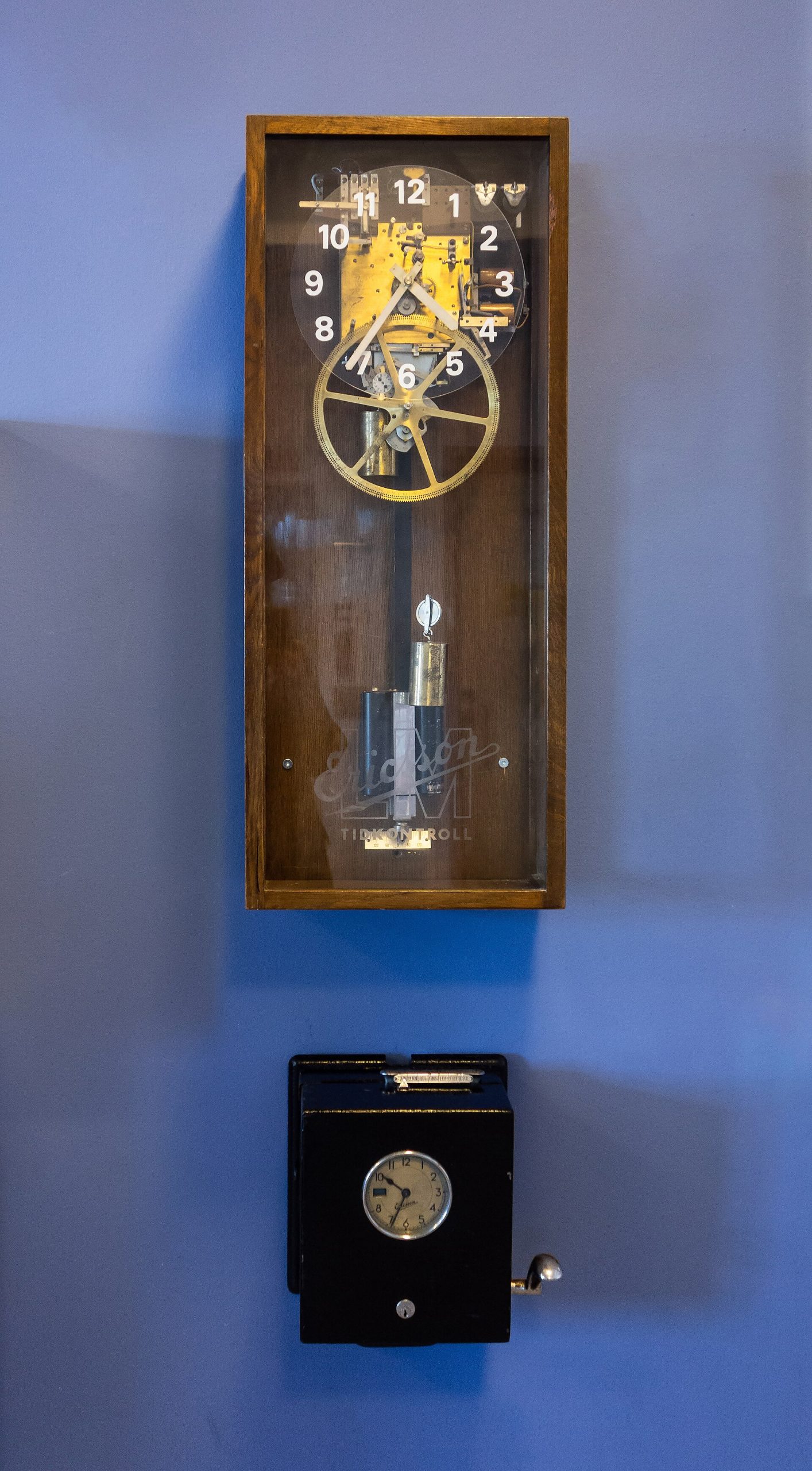
Editor’s note: This article was first published in May 2012. Its data are from that time: WorkMeter installed at more than 400 organizations, including Logitravel and Privalia, and a rental price of around 20 euros a month per employee. The company’s current status, clients and pricing may differ.
In principle, the internet at work means using new technologies for work purposes. Emails are meant to be essentially professional and the pages visited strictly work-related. However, internet access at the workplace also leads to other activities that are usually, almost without exception, banned in any company: reading sports news, checking personal bank statements, chatting, reading and answering personal emails, and so on.
In the US, 358 disciplinary cases for these reasons have been recorded at just over 200 companies. In England, 75% of companies have had employee problems over this issue, and it is estimated that 18% of employees go online for non-work purposes.
Is there a solution?
Enter WorkMeter
This software, invented by a man from Barcelona, measures the time an employee spends working for the company using authorized programs, the phone and email.
Joan Pons, the creator of WorkMeter, sees it as a tool that benefits both sides, employee and employer, because it calculates the exact number of minutes spent on work.
The idea came about in 2008, following a large investment by a company he was working for. He noticed that many of the companies he worked with lacked a tool that simply measured activity instead of blocking access to websites. From that seed came the software: a tool for measuring working time, not internet access.
It isn’t a snitch or a spy. It’s a tool that aims to improve productivity, in some cases by almost 50%.
WorkMeter as a tool
Joan Pons’s software is installed at more than 400 public and private organizations, including Logitravel and Privalia. It is rented at a price that depends on usage and comes to around 20 euros a month per employee.
The program aims to improve workplace skills such as time self-management, motivation, objective and consensual decision-making, and productivity. It also has other workplace uses, such as managing teamwork, collecting data and protecting privacy, among many other features.
Featured image: W.carter, CC0 1.0, via Wikimedia Commons.