

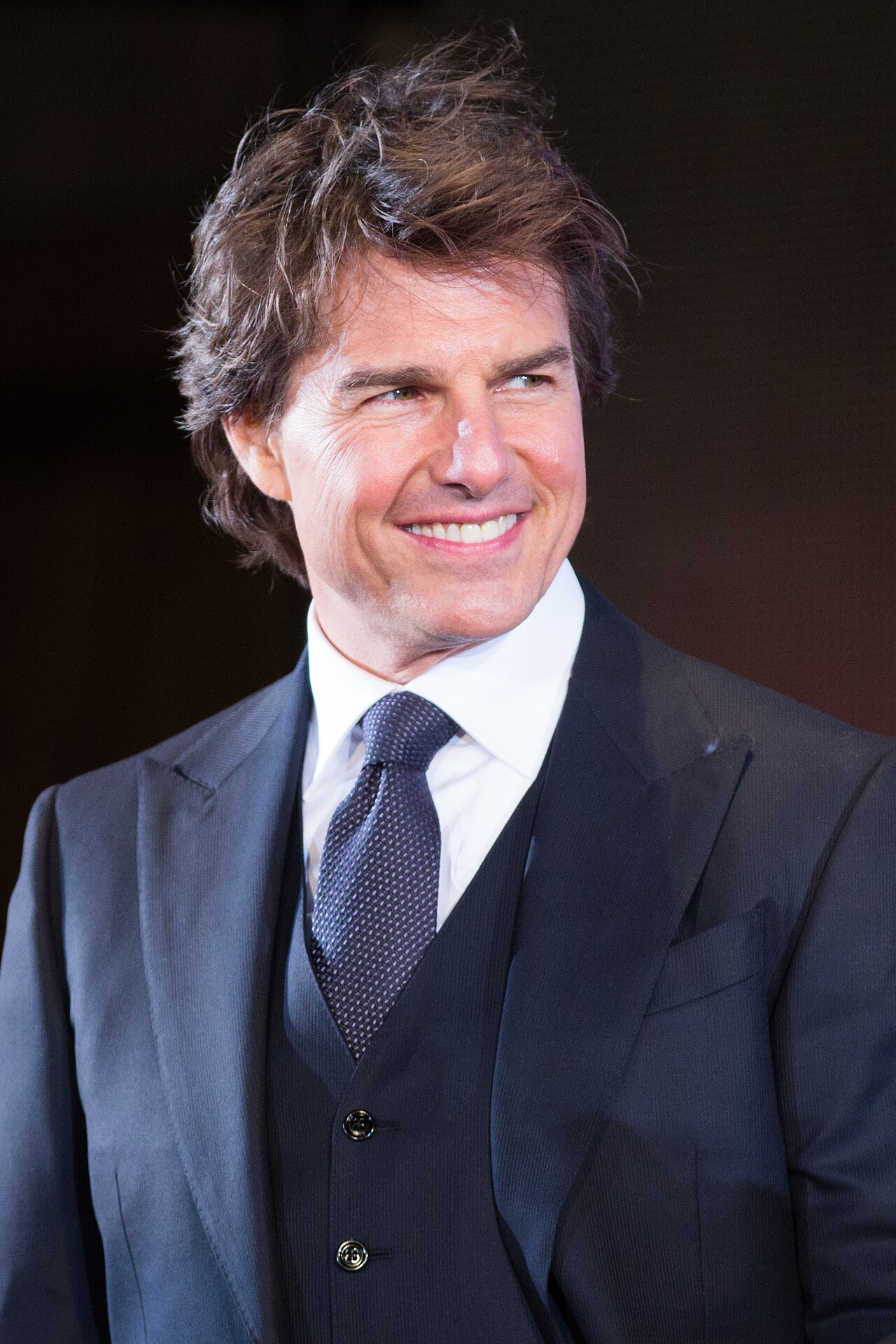
Editor’s note: This article was first published in June 2012. “Today married with children” describes Tom Cruise in June 2012; he and Katie Holmes divorced later that year.
One of the many hard situations you face as an HR professional is telling an employee they have to change location or department because their job is now somewhere else within the same company. When you have to explain the reasons for the move so they understand it, you fall back on professional competencies and, specifically, on the competency of adaptability.
In times like ours, with constant restructuring, layoffs and even forced moves, this competency is more essential than ever. Whenever something unusual happens at your company, you need to draw on your adaptability to face the changes that affect you personally with a good attitude.
We’re going to work on adaptability using the filmography of one of Hollywood’s most popular stars: Tom Cruise, the lead in many big films, who has played a lot of characters, in many different genres and in many different places. Tom Cruise will be our way into talking about and understanding adaptability in the workplace.
Defining the competency: adaptability
Adaptability is the ability to adapt to change, modifying your own behaviour if necessary to achieve certain goals when difficulties arise, when new information appears or when the environment changes, whether that’s the outside world, the organisation itself, the customer or the requirements of the job.
This competency refers to versatility in behaviour and to adaptive conduct, rather than to cognitive changes or changes in value systems, expectations or beliefs.
Practical examples
“The ability to adapt to change…”
Count the jobs Tom Cruise plays in his films: military officer, soldier, mountain climber, American football player, gigolo, spy, vampire, lawyer, secret agent and many more. And he’s simply an actor, trained in acting.
He’s no better or worse than anyone else, you included. He just has great adaptability: a great capacity to play any kind of character and to adapt to the circumstances of the job.
We ourselves are able to change department, office, town or occupation and adapt to the new circumstances. This competency is about shaping yourself to the job you hold at a given moment and adapting to its circumstances.
“…modifying your own behaviour if necessary to achieve certain goals…”
As a young man he wanted to be an athlete, and he was one, in several sports, some of which show in his action films. In other films he has played characters with a difficult personality who stand up to juries, and in some he has been gentle and attractive to achieve his seductive goals. In the images and the memories of his films, we can pick out these professional changes.
In your new job, you may have to put on the company’s mask to do your work. We don’t always agree with what we do, but if it has to be done, we do it to carry on with our daily work. Take the insurance salesperson who sells fully comprehensive car insurance to customers while not driving at all. We have to adapt to the role and the job regardless of our personal situation.
“…versatility in behaviour…”
One of his most popular films is Mission: Impossible. In it we see him as a secret agent: a planner, bold and daring, attractive and flirtatious, agile and brave, supportive and independent. Versatile? With all these elements of his range and personality, he plays a character determined to succeed and win. He covers every possibility.
When it comes to behaviour, versatility is essential. Where before you were focused on meeting the needs of external customers, in another role you may have to meet the needs of internal customers. In both cases you support the productive work of your business, but the nature of the work changes depending on which customers are involved: for one it’s all about solutions, for the other about contributions.
“…rather than to cognitive changes or changes in value systems, expectations or beliefs.”
Tom Cruise is a film actor and producer. He’s the son of a teacher and an electrical engineer, with two sisters. As a young man he wanted to be a priest and ended up as an athlete in several sports. Today he’s married with children.
Like any other citizen. And yet he has made dozens of films, in different styles and with different characters. He has been able to deceive, to climb skyscrapers, to kill in war and to defend his country, but he has remained the son of a teacher and an electrical engineer, with two sisters.
He has adapted to change, except for his personal values, expectations and beliefs, which remain the same film after film.
Other competencies:
Featured image: Dick Thomas Johnson from Tokyo, Japan, CC BY 2.0, via Wikimedia Commons.



