Editor’s note: This article was first published in January 2013 as an opinion piece on the US shortage of mechlorethamine (nitrogen mustard) in 2011-2012 and on healthcare cuts in Spain during the crisis. The drug supply situation and Spanish hospital budgets have changed since.
Cancer patients could be the next victims of the crisis practically all over the world, but especially in the United States, Spain, Greece and Italy. It has already begun to happen in the United States, where, faced with the shortage of a drug that formed part of a chemotherapy cocktail, doctors advised families to use a substitute that was supposedly equivalent but that in practice has led to more relapses in patients who received the new drugs.
Doctors at St. Jude Children’s Research Hospital in Memphis, Tennessee, attribute this rise in relapses to the shortage of mechlorethamine, also known as nitrogen mustard. Most of these patients were children and teenagers being treated for Hodgkin lymphoma, one of the cancers with the highest cure rates. No patient has died, but Dr Michael Link, a paediatric oncologist at Stanford University, says that even once they are cured, having been put through a much more intensive treatment that could have been avoided, these patients will be condemned to a higher likelihood of long-term effects, including infertility and secondary cancers.
The patients’ families say they placed their trust in the doctors throughout, who told them the treatment would be the same. The doctors themselves may well have believed it and had no idea of the harm they would cause, because many children have put their bodies through extra damage to cure a type of cancer that until now had been cured with the very drugs that are now in short supply.
The reasons for the shortage are not very clear. It is probably a combination of factors, such as limited manufacturing, production time, or simply that these drugs are not profitable for pharmaceutical companies. Those are the official explanations, so we won’t rule out that the real reason is that these companies’ main customers (governments and hospitals) are cutting back on the drugs they consider most expensive and that can be replaced with cheaper ones.
In some hospitals in Spain, complaints are already starting to surface that some patients are being denied treatments that have proven effective but are expensive. In the same way, drugs that relieve some of the side effects of treatment could start being substituted, or at least no longer prescribed, leaving patients to find those medicines on their own. On top of that, patients would not know whether an “ingredient” was being changed for their own good or simply for the good of the public purse.
Given that cancer in Spain has grown at a pace similar to unemployment, and that it is estimated that within a few years one in three deaths will be caused by cancer, cutting back on these treatments is worrying. It condemns cancer patients to greater suffering and, in some cases, sadly, this kind of cut will cost a person their life. That is what I call “homicide resulting from the consequences of the crisis and poor political management”. Others call it adjustments.
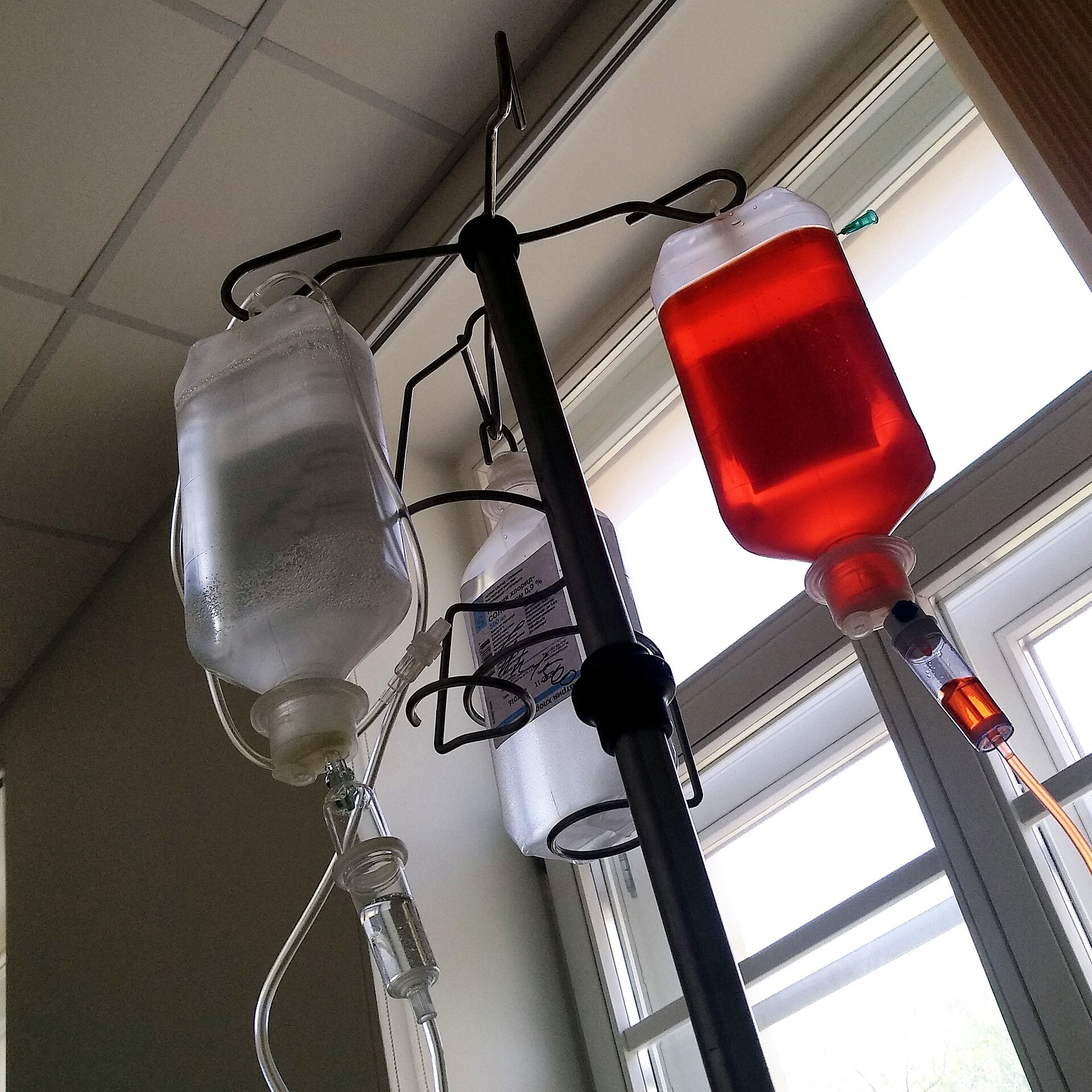
Featured image: Retired electrician, CC0 1.0, via Wikimedia Commons.