Editor’s note: This article was first published in June 2013, as a snapshot of businesses from 2013, including Baia Pasta, the antique vibrator museum and Hointer. Whether they are still operating has not been checked.
Once again we bring you six business ideas gathered from the United States that didn’t need a large initial investment and whose secret, besides simplicity, is once again specialisation and distinctiveness. Some are innovative, while others look to the past.
1. Speciality pasta shop
Baia Pasta was born in San Francisco out of the passion for pasta of Italian entrepreneur Renato Sardo, who wasn’t very happy with the kind of pasta found in supermarkets. So he decided to sell his own pasta made to the original Italian recipe. He uses only organic flour and works with Californian farmers. His little shop soon became a success, to the point that today his business is no longer just about pasta: he also sells all kinds of homemade sauces to go with it.
2. The vibrator museum
This entrepreneur knows everything there is to know about vibrators, so much so that he came up with the idea of setting up a museum on the history of this historic sex toy. The museum delves into the history of these toys, and visitors can see the first “vibrators” ever made. Did you know that the vibrator was invented as a therapeutic remedy for treating women with hysteria? According to this museum, it was. Today it is used more as a massager and associated with pleasure, and not only by women.
3. A 1930s ice cream bar
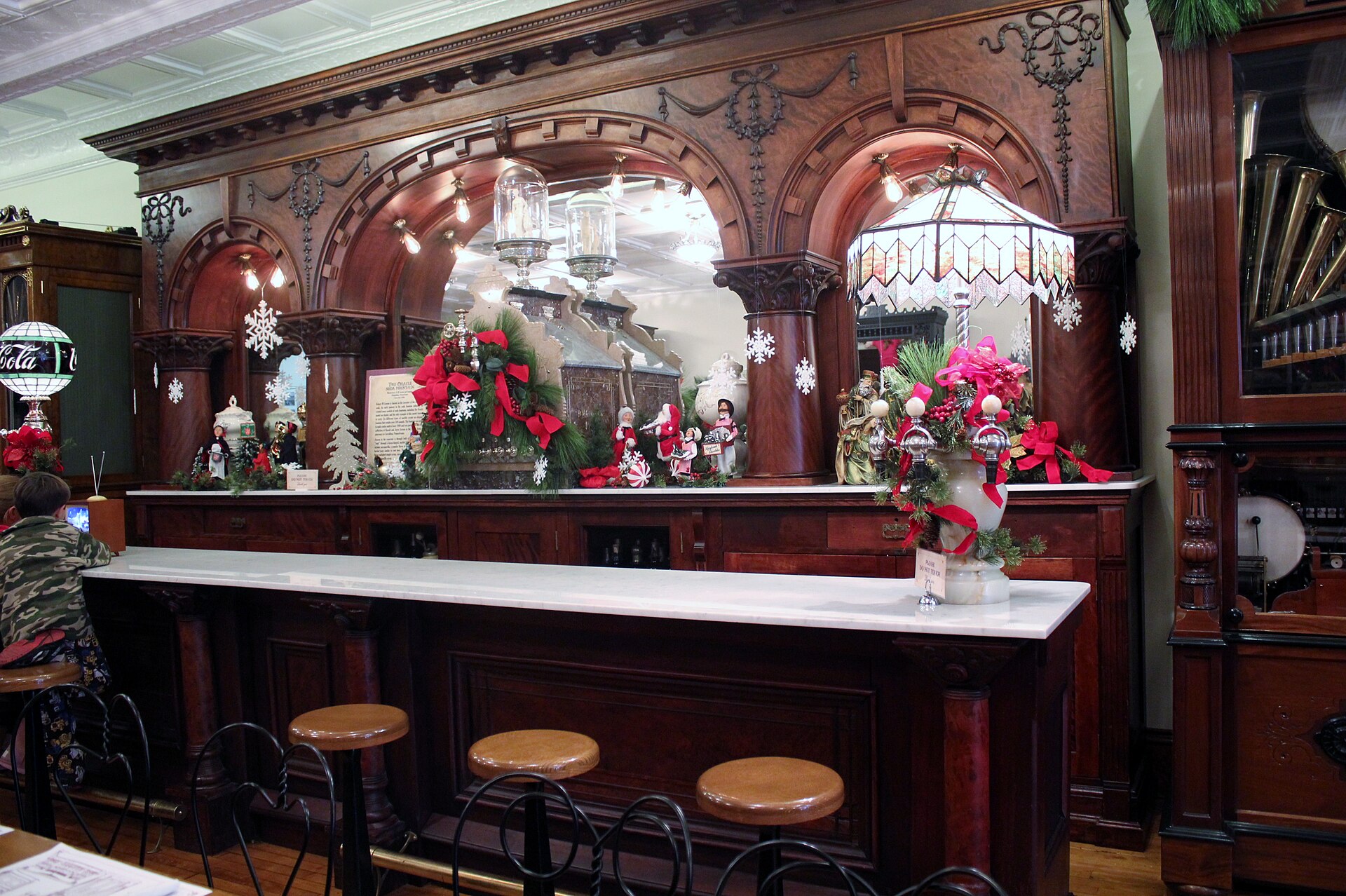
While most companies are chasing innovation, other entrepreneurs prefer to bring back the old. Specifically, transporting customers to 1930 with a setting identical to the ones we see in some old films. According to some customers, walking into this Ice Cream Bar is like travelling back in time, because they’ve thought of everything: wood, period mirrors, a jukebox…
See also: The crisis: how it started and who was responsible. Inside Job
4. The clothing store of the future? Hointer
Hointer is the world’s first clothing store that can operate without any workers. And no, it’s not an online shop, but a physical clothing store that uses the latest technologies. Hointer uses NFC technology, QR codes and self-service: all you have to do is take out your phone, scan the QR code on the label and go to the fitting room, where a robot will bring you the size you want to try on. You can see how it works in the following video:
Watch: How the Hointer store works
5. Lokalty
This company’s business idea wasn’t bad. I’m using the past tense because the company has closed, and perhaps one of our readers could make this business profitable. Here’s how it worked:
Lokalty was a startup that aimed to help and boost local businesses both online and offline. To do so, businesses had to join the programme. Every time shoppers bought something in a store affiliated with Lokalty, they earned points, which they could use to get discounts at the other affiliated stores. It wasn’t profitable for them, or they didn’t manage to get their idea known. I still think the idea sounds good, although I imagine it would need a lot of legwork on the ground.
6. Galleries for handmade products and local artists
Imagine you make some kind of handcrafted product at home, or you’re a painter or sculptor… There are more and more venues that help these micro-entrepreneurs sell their handmade products. The idea sounds good, because galleries of this kind make money in two ways: one is by renting space to the person who wants to sell their products. The other, which in the end is the one most used, is charging a small commission on each product sold. Galleries like this can already be found in Spain, as can medieval markets.
Further reading: more business ideas from around the world
- 6 new business ideas from the US
- 6 fascinating business ideas born in Asia
- 5 ideas for original restaurants
- 5 innovative and profitable business ideas from around the world
See also: 5 phrases entrepreneurs should avoid saying to investors
Featured image: Jeff Hart, CC BY 2.0, via Wikimedia Commons.